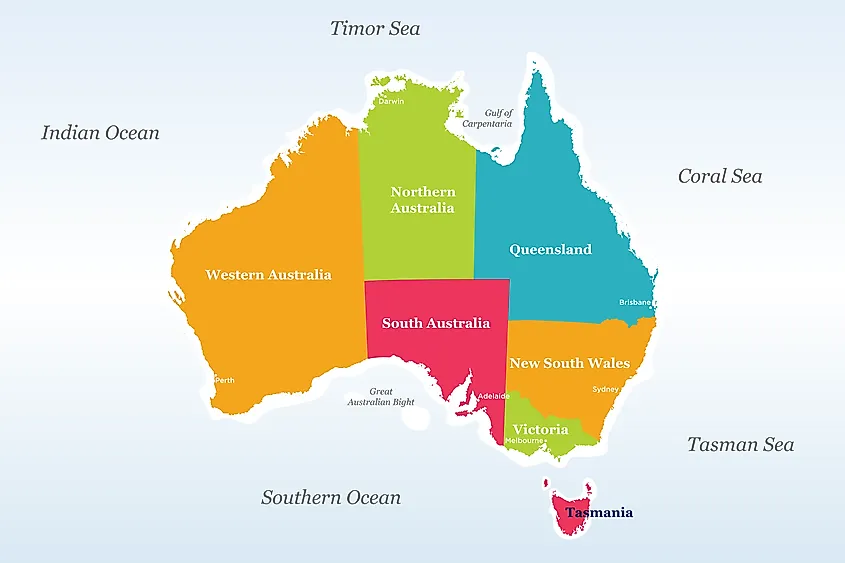
The Australia continent is the smallest and flattest of the world’s seven traditional continents. Known technically as Sahul or sometimes Australia–New Guinea, it encompasses mainland Australia, Tasmania, New Guinea, and nearby islands. With an area of about 8.6 million km² (3.3 million sq mi), the continent ranks seventh in size but holds immense ecological and cultural importance.
The Australia continent is unique because it combines ancient geology, rich biodiversity, Indigenous cultures dating back more than 60,000 years, and modern global cities. It is often called the “island continent” because most of its landmass is surrounded by oceans. Unlike Oceania, which covers a broader Pacific region, the continent is defined by the Australian continental plate and its natural extensions.
Terminology and Naming
The continent is often confused with the country of Australia, but geographically it covers more territory. Alternative terms include Sahul, Australinea, Meganesia, and Australia–New Guinea. The name Sahul derives from the Sahul Shelf, the continental shelf connecting mainland Australia with New Guinea and Tasmania during past ice ages.
Historically, European geographers used the term Oceania to describe the Pacific world, including Australasia, Melanesia, Micronesia, and Polynesia. Over time, English-speaking countries recognized Australia as one of the world’s continents, separate from Oceania. This shift occurred in the 1950s with the rise of plate tectonics theory.
Geography of the Australia Continent
The Australia continent stretches across the Southern and Eastern Hemispheres. It lies near Maritime Southeast Asia, separated by shallow seas and straits. Its divisions include:
- Mainland Australia – the vast arid to semi-arid landmass.
- Tasmania – a mountainous island south of Bass Strait.
- New Guinea – divided between Papua New Guinea and Western New Guinea (Indonesia).
- Other islands – such as the Aru Islands, Ashmore and Cartier Islands, and Coral Sea Islands.
During the Pleistocene Ice Age, lower sea levels connected these landmasses into a single prehistoric continent called Sahul. Rising seas between 18,000 and 10,000 years ago later created today’s separated islands.
Geologically, the continent sits on the Indo-Australian Plate. It is the only continent without active volcanic regions due to its central plate position. Its landscapes are characterized by deserts, semi-arid plains, ancient mountain ranges, and unique coastal ecosystems.
Climate
The Australia continent experiences varied climates:
- Australia mainland – mostly desert or semi-arid, with temperate zones in the south and tropical regions in the north.
- Tasmania – cool temperate with snowy highlands.
- New Guinea – tropical rainforest climate with heavy monsoons and high-altitude regions that even experience snowfall.
The continent is strongly influenced by the El Niño–Southern Oscillation, leading to alternating periods of drought and heavy rainfall.
Ecology and Biodiversity
The flora and fauna of the Australia continent are some of the most distinctive in the world due to long isolation.
Flora
The continent supports sclerophyllous plants like eucalyptus, acacias, and casuarinas. In New Guinea, tropical rainforests dominate, hosting species like laurels, oaks, and tree ferns. The Great Dividing Range preserves pockets of ancient Gondwanan vegetation.
Fauna
- Marsupials and monotremes dominate Australia, including kangaroos, koalas, wombats, and the platypus.
- Birdlife is rich, with cassowaries, emus, cockatoos, and birds-of-paradise unique to the region.
- Reptiles include some of the world’s most venomous snakes and large crocodiles.
- New Guinea boasts 600 species of reef-building coral and 1,200 species of fish, reflecting its marine diversity.
Endemism is high: 83% of mammals, 89% of reptiles, and 93% of amphibians in Australia are found nowhere else.
Indigenous Peoples and Early History
The Indigenous peoples of the Australia continent are among the world’s oldest continuous cultures.
- Aboriginal Australians and Torres Strait Islanders have lived in Australia for over 60,000 years. Evidence from Lake Mungo reveals one of the earliest cremations in human history.
- Papuan peoples settled New Guinea around 42,000–48,000 years ago. They developed highland agriculture and engaged in trade with Southeast Asia by the 7th century.
Dreamtime stories, rock art, and oral traditions remain central to Aboriginal culture, while New Guinea is home to more than 7,000 cultural groups and over 800 languages.
European Exploration and Colonization
Legends of Terra Australis Incognita, a southern landmass, influenced European cartographers for centuries. The first recorded European landing was by Willem Janszoon (1606) in Cape York. Later, Abel Tasman (1642) discovered Tasmania and New Zealand, while James Cook (1770) mapped Australia’s east coast.
In 1788, Britain established the first colony at Sydney Cove, marking the start of colonization. Over time, New Guinea also came under colonial rule, divided between Britain, Germany, and later Australia.
Modern Political Context
Today, the continent is divided into:
- Australia – a federal parliamentary constitutional monarchy and the largest economy in the region.
- Papua New Guinea – an independent Commonwealth realm since 1975, with strong cultural diversity but ongoing developmental challenges.
- Western New Guinea (Papua and West Papua provinces) – part of Indonesia.
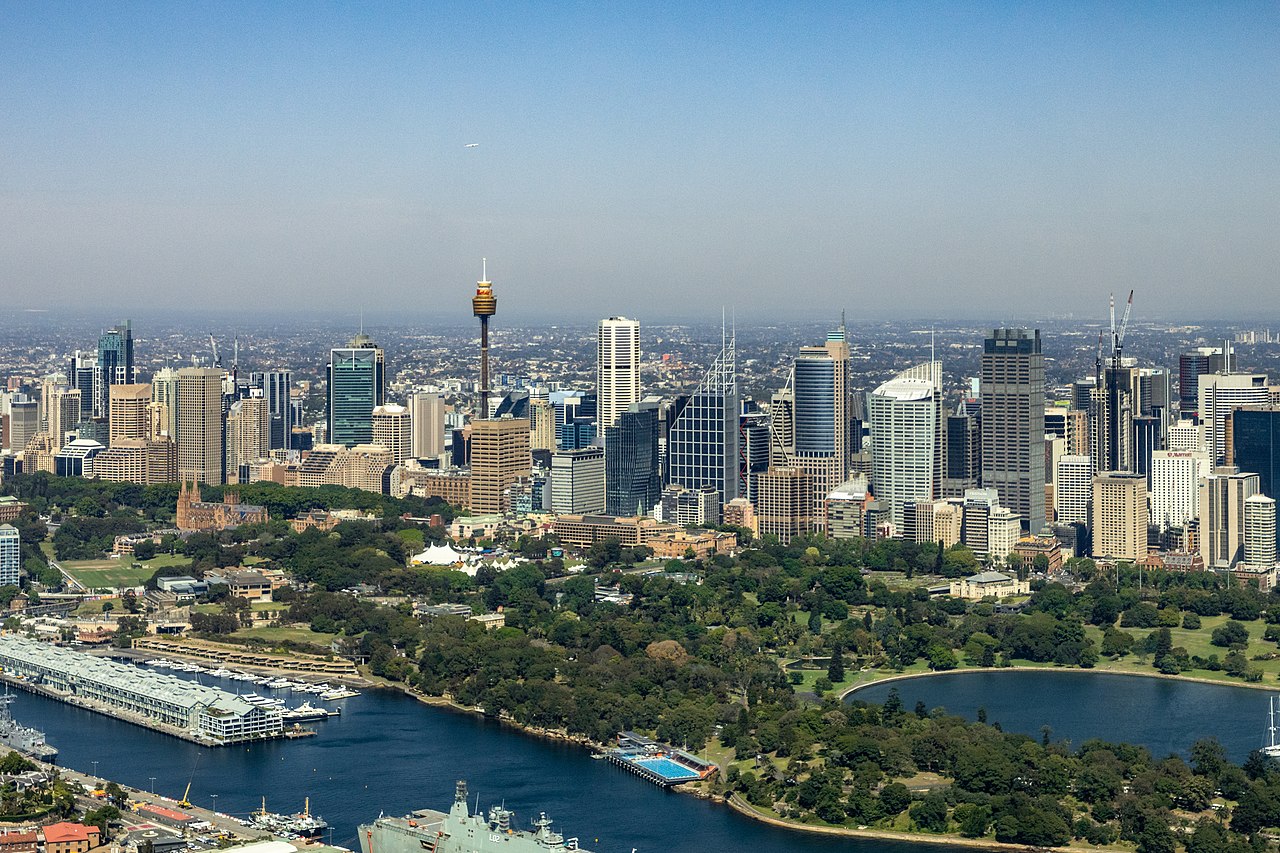
Australia is highly urbanized, with major cities like Sydney, Melbourne, and Brisbane ranking among the most livable in the world. Papua New Guinea remains predominantly rural, with only 18% of its population in urban centers.
Economy
The Australia continent economy is diverse:
- Australia – a highly developed, resource-rich economy, with strong finance, tourism, and mining sectors. Its GDP (PPP) exceeds $1.5 trillion.
- Papua New Guinea – rich in minerals and resources, classified as a developing economy, with mining driving growth.
- Western New Guinea – resource-rich but economically dependent on Indonesia.
Tourism, agriculture, and energy are major drivers across the continent.
Culture and Society
The cultural life of the Australia continent blends ancient traditions with modern global influences.
- Aboriginal culture emphasizes connection to land, spirituality, and Dreamtime stories.
- Papuan culture is incredibly diverse, with unique art, wooden carvings, masks, and musical traditions.
- Australian culture has been shaped by Anglo-Celtic roots, Indigenous heritage, and multicultural immigration.
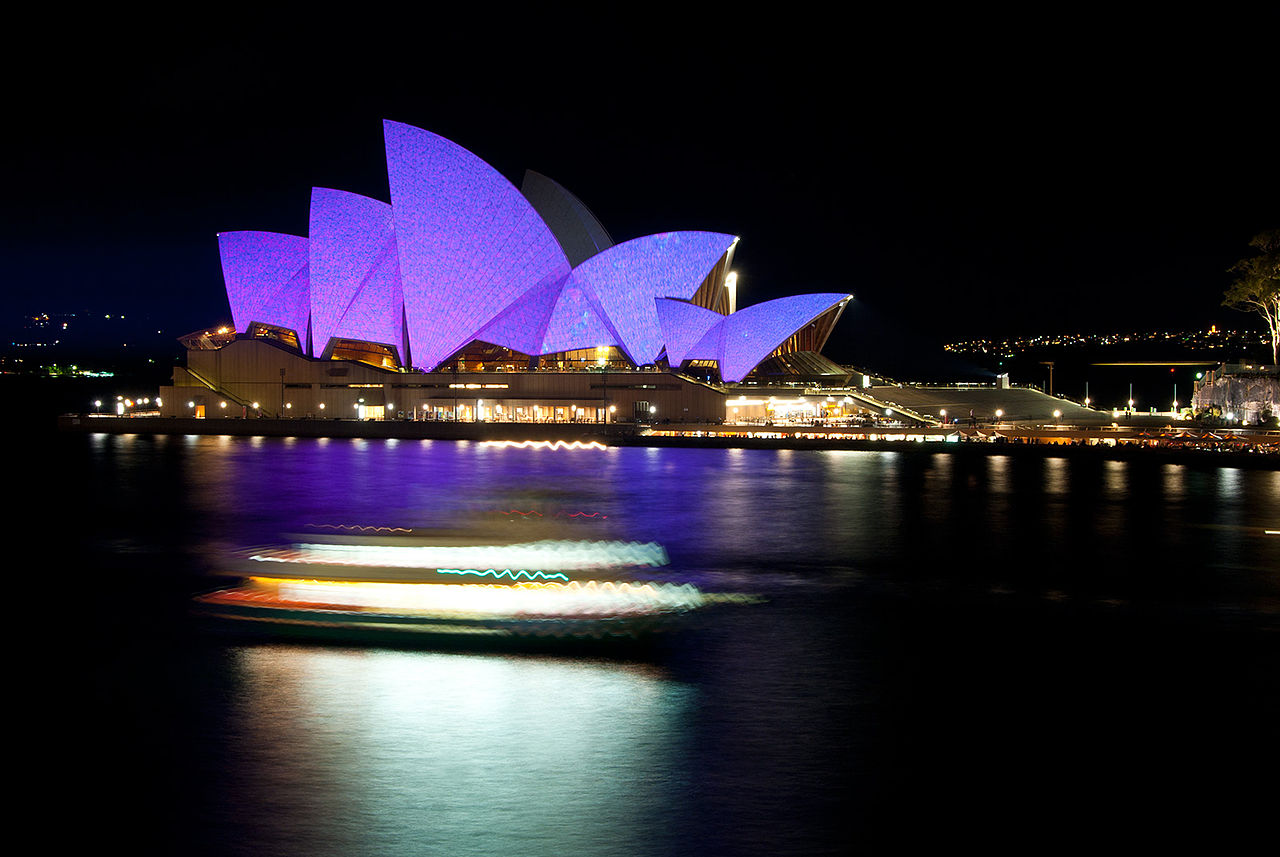
Art, sport, and music thrive across the continent. Aboriginal rock art is the oldest living artistic tradition, while Sydney Opera House and Melbourne street art represent modern creativity.
Sport
Sport is central to identity across the continent.
- Australia – cricket, Australian rules football, rugby, and netball dominate. The nation has hosted two Summer Olympic Games (1956, 2000) and five Commonwealth Games.
- Papua New Guinea – rugby league is the national passion, while soccer, cricket, and boxing are growing.
Demographics and Languages
The Australia continent is home to about 39 million people.
- Australia – highly urbanized with large immigrant populations. Sydney and Melbourne are among the world’s most multicultural cities.
- Papua New Guinea – rural with over 820 languages, making it the most linguistically diverse country globally.
- Western New Guinea – home to dozens of Indigenous Papuan tribes, many still isolated.
Languages include English, Indonesian, Tok Pisin, Hiri Motu, and around 70 Indigenous Australian languages still spoken.
Conclusion
The Australia continent is a land of striking contrasts—arid deserts, tropical rainforests, snow-capped mountains, and vibrant cities. It is both the oldest geological landmass and one of the most culturally diverse regions on Earth. From its ancient Indigenous traditions to its modern globalized societies, the continent remains a vital player in ecology, economy, and culture.
Its unique biodiversity, enduring Indigenous heritage, and rapidly growing urban centers ensure that the Australia continent continues to hold global significance as the world’s island continent.