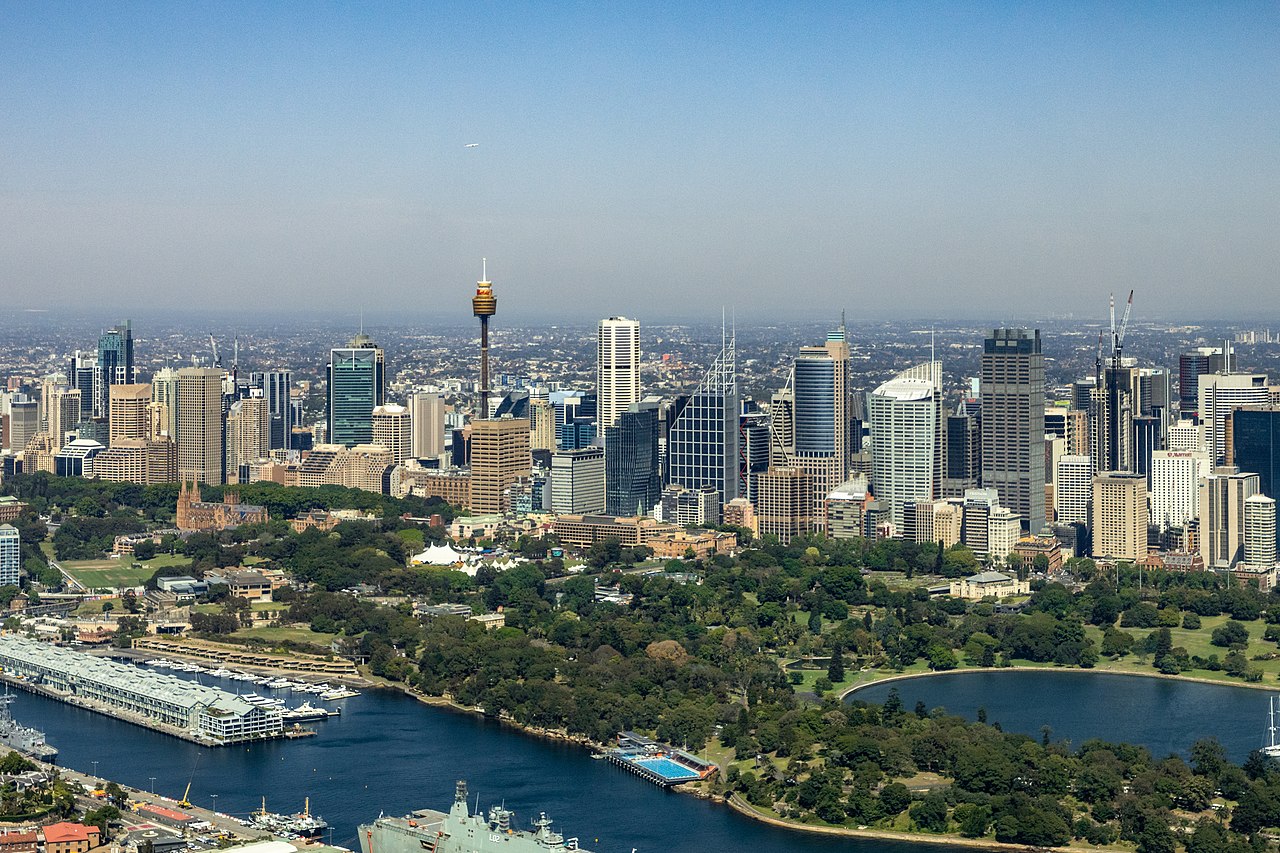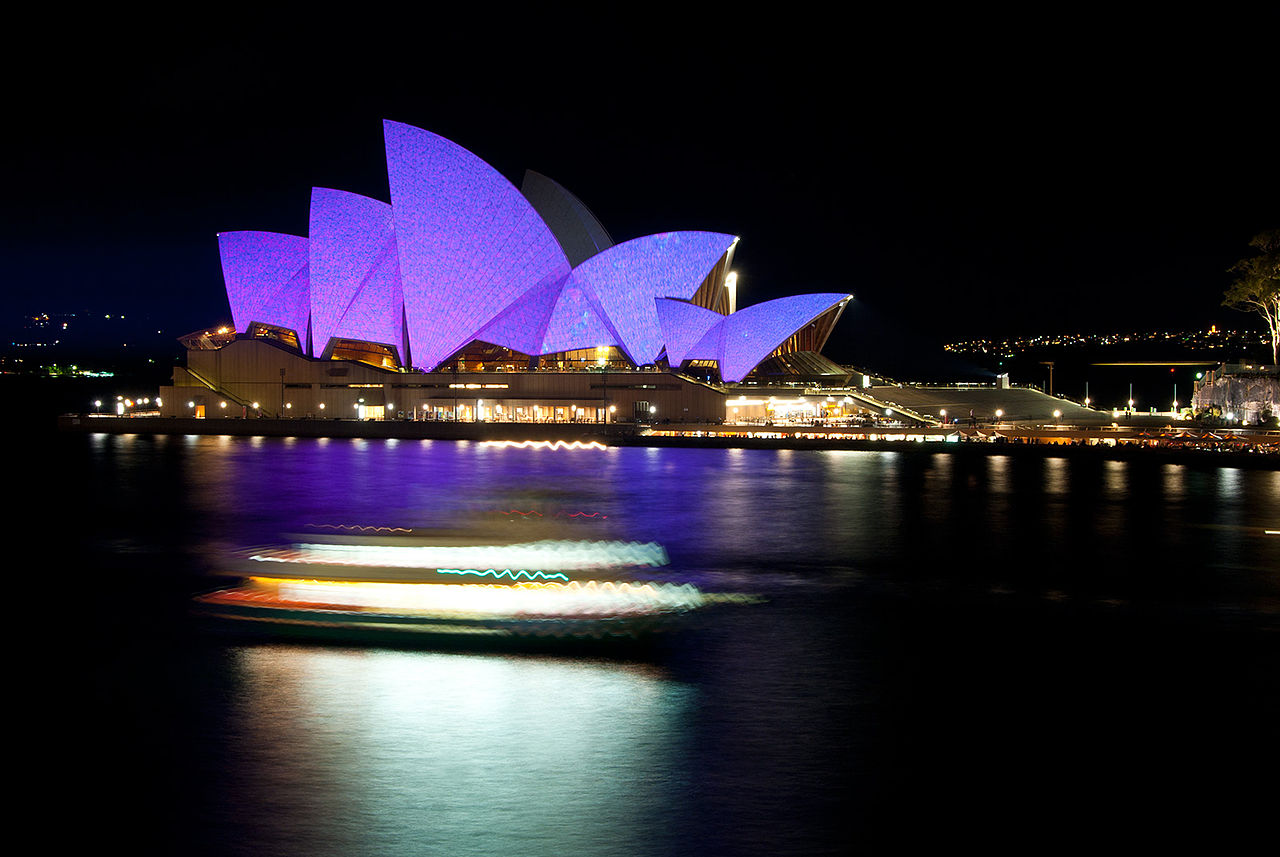
Opera Australia is the principal opera company in Australia, with its headquarters at the Sydney Opera House in New South Wales and a secondary base at the Arts Centre Melbourne in Victoria. Recognized as one of the most influential performing arts organisations in the country, Opera Australia stages an extensive annual program that combines classical opera, contemporary works, and large-scale outdoor events. Its repertoire attracts hundreds of thousands of patrons each year and reaches millions more through television, cinema broadcasts, and digital streaming.
History and Origins
Opera Australia traces its roots back to 1956, when the Australian Opera Company was founded under the guidance of the Australian Elizabethan Theatre Trust. By 1957, the company had adopted the name Elizabethan Theatre Trust Opera Company, gradually developing a permanent ensemble of singers and staff. A milestone moment came in 1968, when Puccini’s Tosca was filmed at the Adelaide Festival, featuring Tito Gobbi and conducted by Carlo Felice Cillario.
In 1970, the organisation became The Australian Opera, expanding rapidly following the opening of the Sydney Opera House in 1973. Dame Joan Sutherland, one of Australia’s most celebrated sopranos, and her husband, conductor Richard Bonynge, were central to the company’s global reputation during this period.
In 1996, the Australian Opera merged with the financially struggling Victoria State Opera, forming Opera Australia (OA). This merger secured the company’s national footprint and established permanent seasonal programs in both Sydney and Melbourne.
Performances and Repertoire
Opera Australia presents a diverse range of productions, including classic works by Mozart, Verdi, and Puccini, modern Australian operas, and innovative cross-genre works. A signature initiative is the Handa Opera on Sydney Harbour, launched in 2012, which has staged spectacular open-air productions such as La Traviata, Carmen, Aida, Madama Butterfly, Turandot, and West Side Story.
The company is also renowned for large-scale broadcasts, such as Opera in the Domain in Sydney, which attracts up to 100,000 attendees annually. Its education and outreach division, formerly known as Oz Opera, brings condensed operas to schools and regional communities across Australia.
International Recognition
Opera Australia is globally recognized for its association with legendary performers such as Dame Joan Sutherland, Luciano Pavarotti, and conductor Richard Bonynge. Director Baz Luhrmann’s celebrated staging of La bohème in the early 1990s elevated the company’s international profile, leading to a Broadway run in 2002.
The company has also produced and commissioned modern Australian operas, including Richard Meale’s Voss (1986), Richard Mills’ Batavia (2001), Brett Dean’s Bliss (2010), and Kate Miller-Heidke’s The Rabbits (2015).
Funding and Management
Opera Australia operates as a not-for-profit arts organisation, funded through a mix of ticket sales, corporate sponsorship, government grants, and philanthropy. Unusually for a major opera company, it derives around 75% of its revenue from ticket sales, far higher than most of its international peers.
Over its history, the company has faced challenges with financial sustainability, prompting artistic shifts to diversify its repertoire and expand its audience base. Leaders such as Lyndon Terracini (2009–2022) introduced musical theatre and large outdoor events to boost revenue and reach. In 2022, Welsh director Jo Davies became Opera Australia’s first female artistic director, though she departed in 2024.
Education and Digital Outreach
Opera Australia continues to invest in educational outreach and digital innovation. Its touring productions bring live opera to schools and regional centres, while its digital strategy, launched in 2011, includes cinema broadcasts, DVDs, Blu-rays, and streaming partnerships. This has extended the company’s cultural reach beyond live audiences, solidifying its role in both traditional and modern platforms.
Awards and Legacy
Opera Australia has received ARIA Music Awards for its recordings, including Richard Meale’s Voss (Best Classical Album, 1988). Its productions have been internationally acclaimed, and its partnerships with leading directors, conductors, and singers continue to shape the cultural landscape of Australia.
As the largest performing arts organisation in the country, Opera Australia remains a cornerstone of national cultural identity. Through its innovative programming, commitment to Australian works, and dedication to artistic excellence, it continues to balance tradition with innovation in the world of opera.