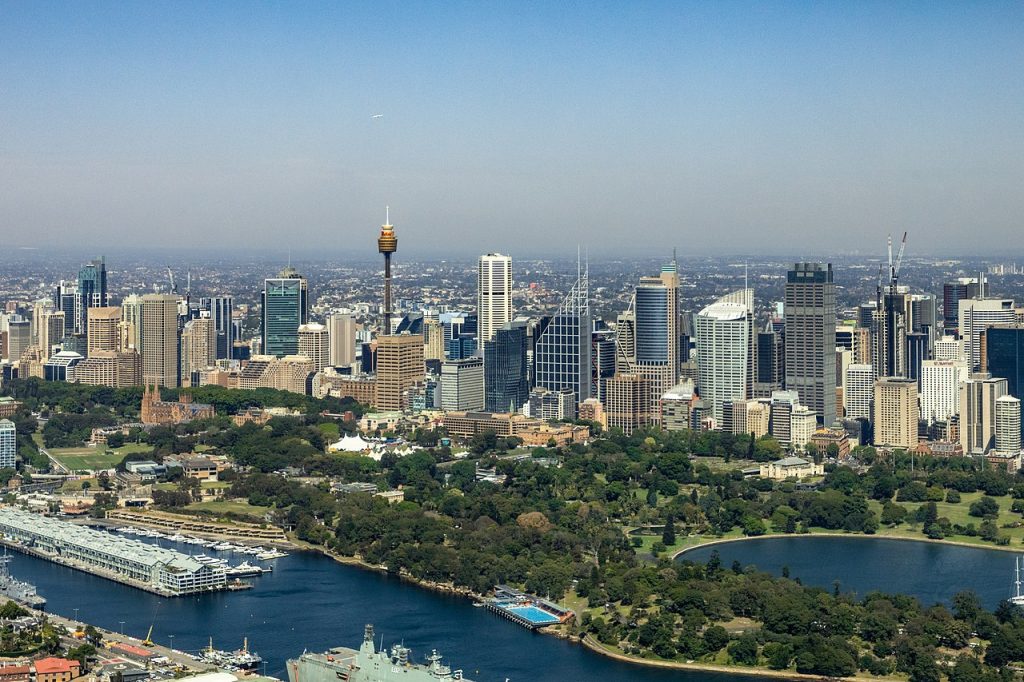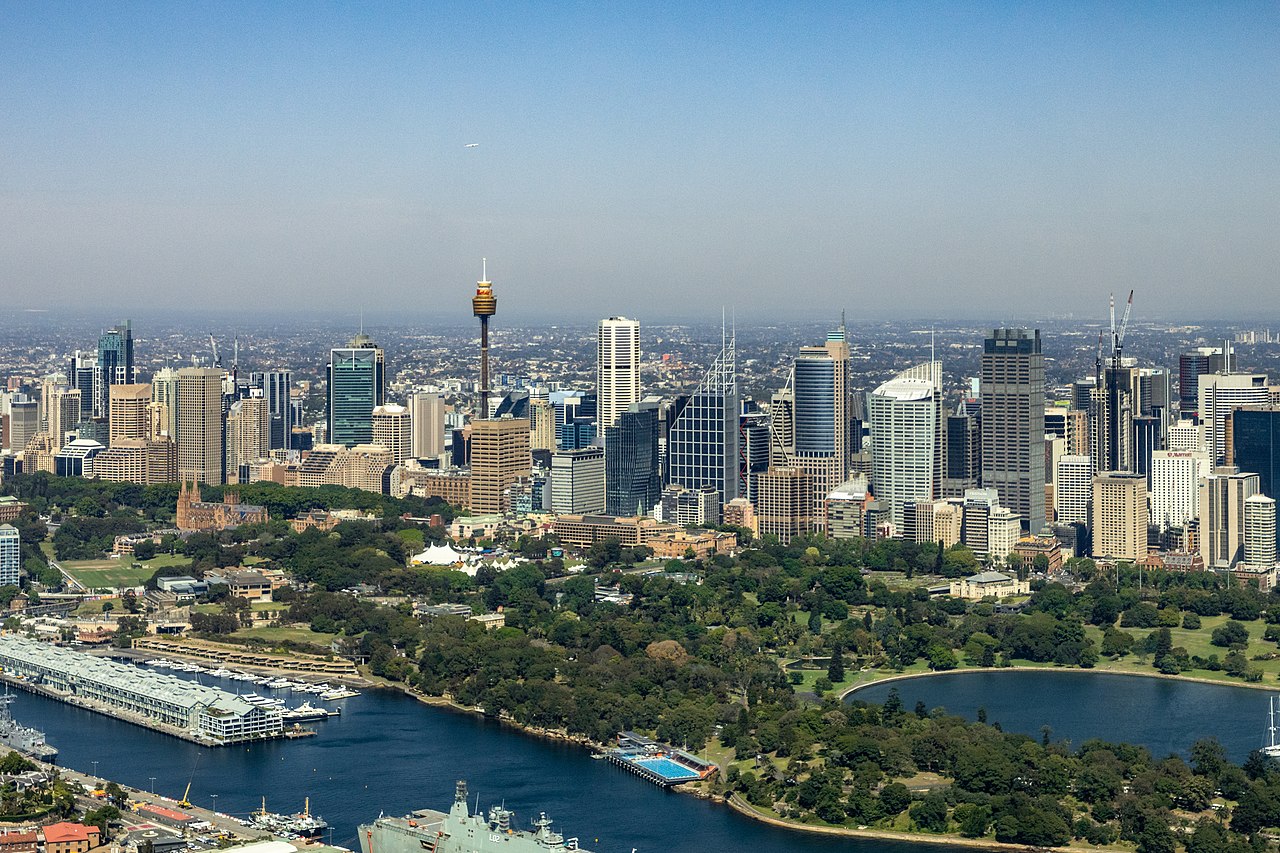
News Corp Australia is a major media conglomerate and the Australian subsidiary of News Corp, controlled by the Murdoch family. Headquartered in Surry Hills, Sydney, the company operates across newspapers, magazines, pay television, market research, digital platforms, and film distribution.
The group owns some of Australia’s most influential publications, including The Australian, The Daily Telegraph, Herald Sun, and The Courier-Mail. Beyond print, its assets extend to Sky News Australia, Foxtel interests, digital platforms like news.com.au and realestate.com.au, and sports franchises such as the Brisbane Broncos.
History
Founding and Early Years
News Corp Australia traces its roots to News Limited, founded in 1923 by James Edward Davidson. Originally backed by the Collins House mining empire, it began with titles such as the Broken Hill Barrier Miner and Port Pirie Recorder. The launch of The News in Adelaide established its footprint in South Australia.
Murdoch Era
In 1949, Sir Keith Murdoch purchased a stake in News Limited. After his death in 1952, his son Rupert Murdoch inherited The News, using it as the “foundation stone” of his media empire. Murdoch rapidly expanded by acquiring suburban and metropolitan newspapers, and in 1964 launched The Australian, the nation’s first national daily newspaper.
By the 1970s, Murdoch leveraged his Australian profits to finance global acquisitions in Britain and the United States, cementing his reputation as a formidable international media baron.
Corporate Restructuring
- 1979: News Limited became part of the newly formed News Corporation.
- 2004: News Corporation re-incorporated in the United States, moving from the Australian Stock Exchange to the New York Stock Exchange.
- 2013: News Corporation split into 21st Century Fox (broadcast/entertainment) and News Corp (publishing). News Limited was rebranded News Corp Australia.
Acquisitions
Australia
In 1987, News Limited expanded through the Herald and Weekly Times acquisition, gaining The Herald, The Sun, and stakes in regional press. Later acquisitions included The Courier-Mail (Brisbane), The Advertiser (Adelaide), and The Mercury (Hobart).
The company re-entered magazine publishing in the 2000s, buying FPC Magazines (Delicious, Vogue Australia, Super Food Ideas).
United Kingdom
Murdoch reshaped the British press with acquisitions of the News of the World and The Sun (1969), and later The Times and Sunday Times (1981).
United States
Murdoch expanded into the U.S. in the 1970s, buying the San Antonio News, founding the National Star, and acquiring the New York Post. These moves were the basis for News Corp’s American empire.
Digital Expansion
In 2006, News Limited formed News Digital Media, managing news.com.au, realestate.com.au, carsguide.com.au, and truelocal.com.au. By 2018, the group partnered with Taboola to boost native content distribution.
Its flagship digital portal news.com.au consistently ranks as one of Australia’s most visited news websites, while REA Group (realestate.com.au) dominates property listings.
Holdings
Newspapers
- National: The Australian, The Weekend Australian.
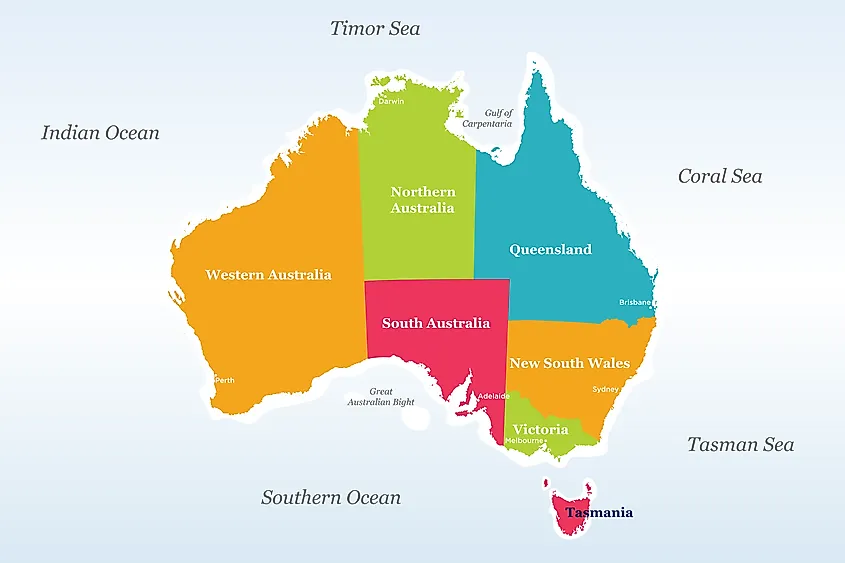
- Metropolitan Titles: The Daily Telegraph (Sydney), Herald Sun (Melbourne), The Courier-Mail (Brisbane), The Advertiser (Adelaide), The Mercury (Hobart), Northern Territory News.
- Community Titles: Leader Community Newspapers (Melbourne), Quest Community Newspapers (Brisbane), NewsLocal (Sydney).
Magazines
- GQ Australia
- Vogue Australia
- Delicious
- Super Food Ideas
- Australian Golf Digest
Digital and Television
- News.com.au, KidSpot, Taste.com.au, Punters.com.au, Racenet.com.au
- REA Group (realestate.com.au) – significant stake
- Sky News Australia, Sky News Weather, Sky News Extra
Other Assets
- Foxtel (part-ownership, with Fox Sports Australia)
- Brisbane Broncos (69% ownership)
Political and Cultural Influence
News Corp Australia exerts immense influence in politics and public discourse. By the early 2000s, it controlled nearly three-quarters of metropolitan daily circulation, shaping national debates.
- The Australian often acts as the group’s political flagship.
- The company has historically lobbied for cross-media ownership reforms, gaining regulatory concessions in 2006 and 2017.
- A 2020 petition by former Prime Minister Kevin Rudd called for a Royal Commission into News Corp’s dominance, reflecting ongoing debate about its media power.
Controversies
The company has faced scrutiny over:
- Editorial bias: Accusations of consistently endorsing conservative political parties.
- Legal cases: The Geoffrey Rush defamation suit (2018), where The Daily Telegraph was ordered to pay damages.
- Ethical scandals: Allegations tied to the global phone hacking scandal and claims of anti-competitive behavior in pay TV markets.
Despite these issues, News Corp Australia continues to play a central role in Australia’s news, culture, and sports broadcasting.
Conclusion
News Corp Australia remains one of the most influential media companies in the Asia-Pacific. From its beginnings in Adelaide to its present role as Rupert Murdoch’s Australian stronghold, the company has shaped journalism, politics, and entertainment. With a broad portfolio of print, broadcast, and digital assets, it continues to adapt to a rapidly changing media environment while remaining central to debates on media diversity and democracy.