Regional Australia is a socio-geographical term used to describe areas outside the major metropolitan centres in each state and territory. It is commonly used in censuses, policy planning, and immigration programs to classify towns, regional centres, and rural communities that play a significant role in Australia’s economy and settlement patterns.
The classification of Regional Australia has particular relevance in immigration policy. Individuals who undertake specified forms of work—such as in agriculture, forestry, mining, construction, fishing, or pearling—in these regions may be granted additional points toward permanent residency. Similarly, working holiday visa holders who spend a designated period in Regional Australia may become eligible for visa extensions or renewals, encouraging workforce distribution beyond major cities.
Definition and Scope
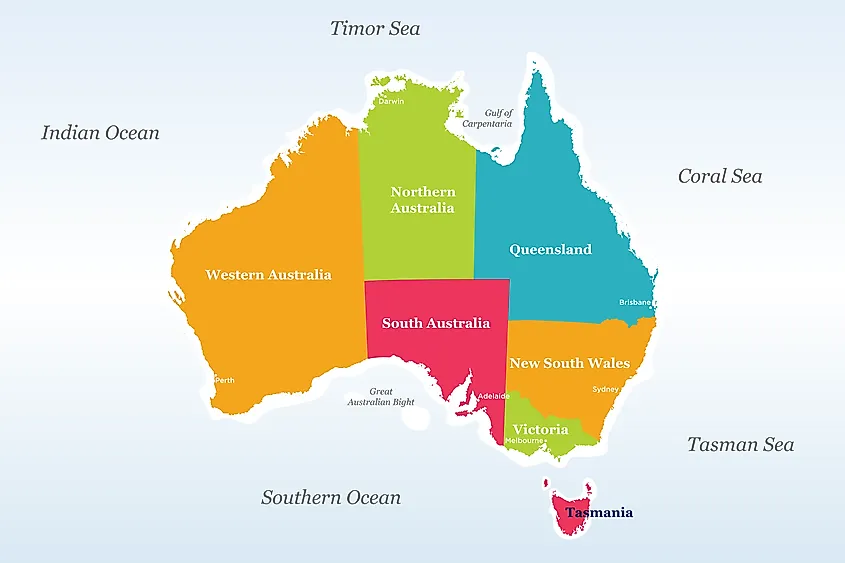
The Australian Department of Home Affairs defines Regional Australia as all areas of the country excluding the largest metropolitan zones. As of current classification, the following are not considered part of Regional Australia:
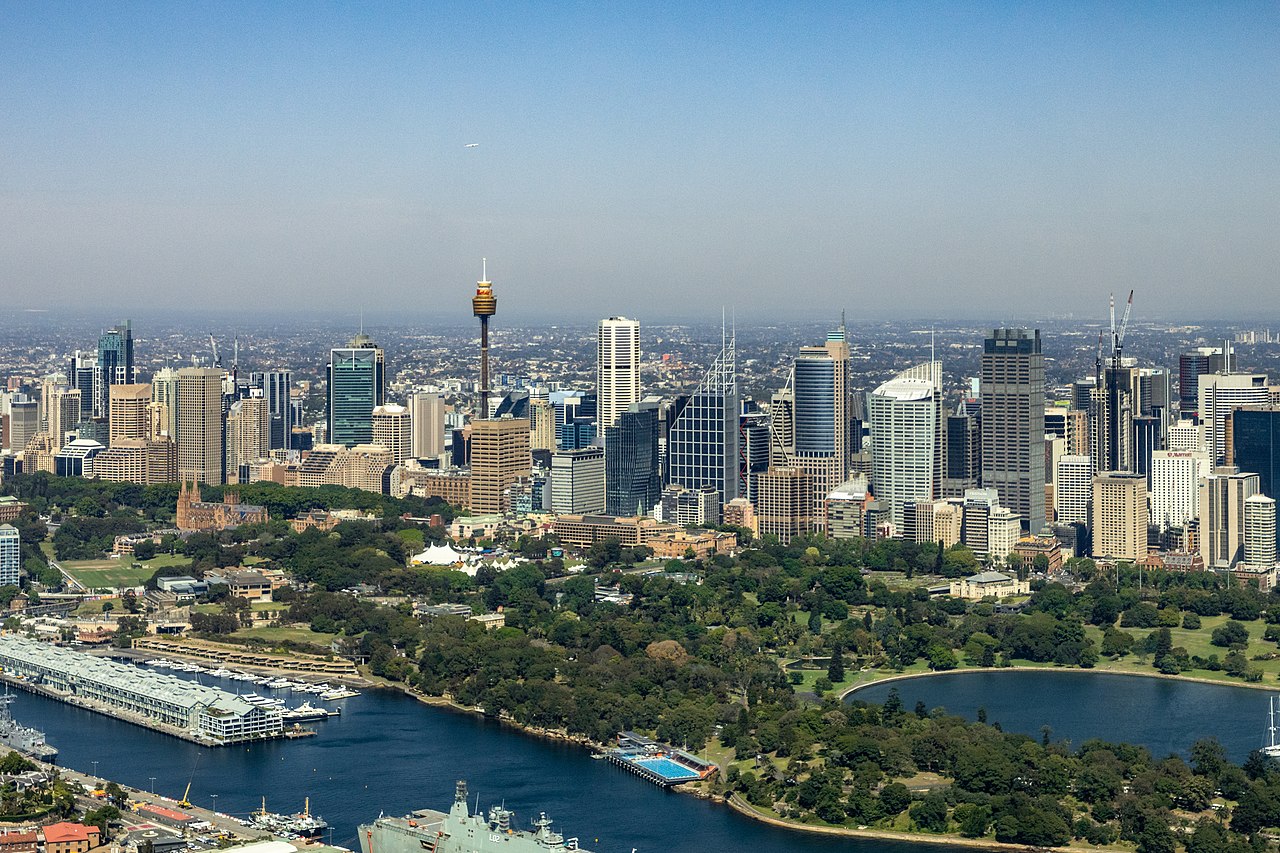
- New South Wales: Sydney, Wollongong, Newcastle, Central Coast
- Victoria: Melbourne
- Queensland: Brisbane, Gold Coast
- Western Australia: Perth
- Australian Capital Territory: Canberra and surrounding metropolitan areas
Everywhere outside these urban centres falls under the definition of regional or rural Australia, spanning diverse geographies from coastal towns to inland agricultural belts and remote mining districts.
Immigration and Visa Policies
Regional Australia is central to Australia’s skilled migration strategy. The government incentivizes settlement in these areas to reduce pressure on metropolitan cities and stimulate regional economies. Key immigration programs linked to Regional Australia include:
- Skilled Work Regional Visa (Subclass 491): Grants extra points to migrants who commit to living and working in designated regional areas.
- Working Holiday Visa Extensions: Holders who complete specified work (farm work, mining, construction, etc.) in Regional Australia can apply for a second or third year visa.
- Employer Sponsorship Pathways: Businesses located in regional centres are eligible to sponsor foreign workers under less restrictive conditions than those in major cities.
These policies aim to attract population growth, fill skill shortages, and boost industries critical to rural and regional development.
Regional Centres and Economy
Regional Australia is home to numerous regional centres, mid-sized urban areas that provide services, infrastructure, and employment to surrounding rural communities. Examples include Geelong, Ballarat, Toowoomba, Cairns, Townsville, Bendigo, Albury–Wodonga, and Launceston.
Key economic contributions from Regional Australia include:
- Agriculture: Wheat, beef, dairy, wool, sugarcane, and horticultural exports.
- Mining and Resources: Coal, iron ore, gold, and natural gas extraction.
- Tourism: Coastal tourism in Queensland, wine regions such as the Barossa Valley, and heritage sites in New South Wales and Victoria.
- Forestry and Fishing: Timber production, aquaculture, and pearling.
These industries are crucial for both domestic supply and Australia’s export economy, with many regional areas forming the backbone of national productivity.
Policy Importance
Beyond immigration, the concept of Regional Australia is used in:
- Census and statistical reporting by the Australian Bureau of Statistics (ABS).
- Infrastructure planning, including health, transport, and education investment.
- Population decentralisation strategies, encouraging migration to relieve housing and employment pressure in capital cities.
Government funding programs, such as the Regional Development Australia initiative, are targeted specifically at strengthening economic, cultural, and social infrastructure across Regional Australia.