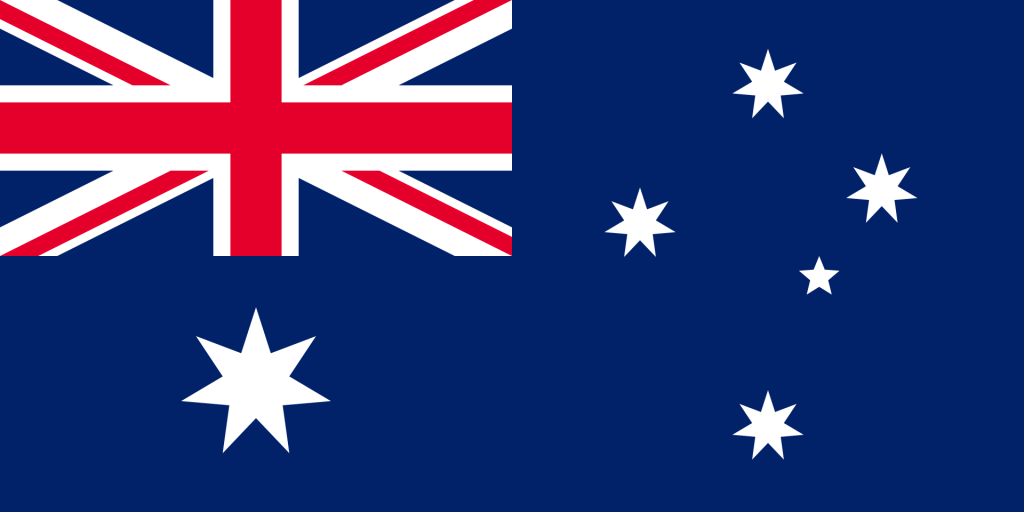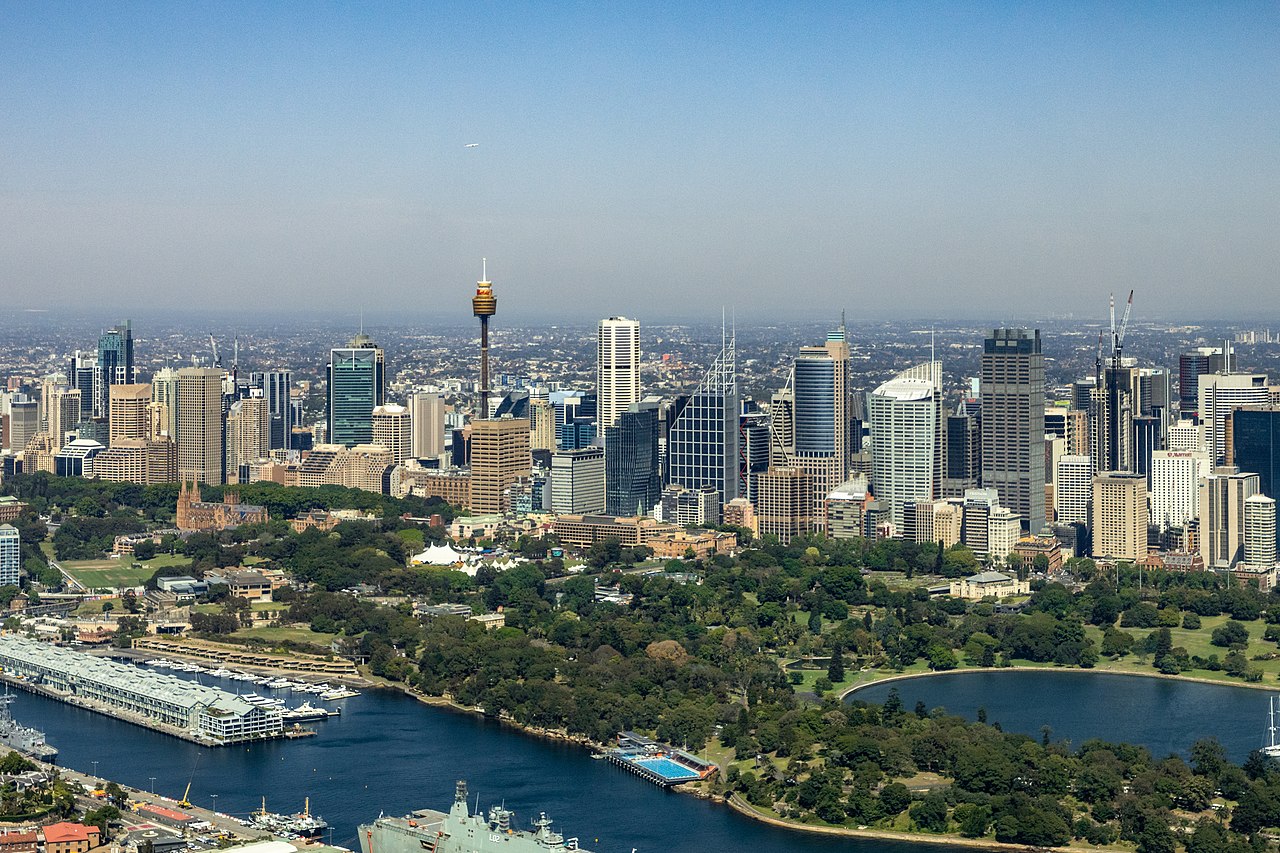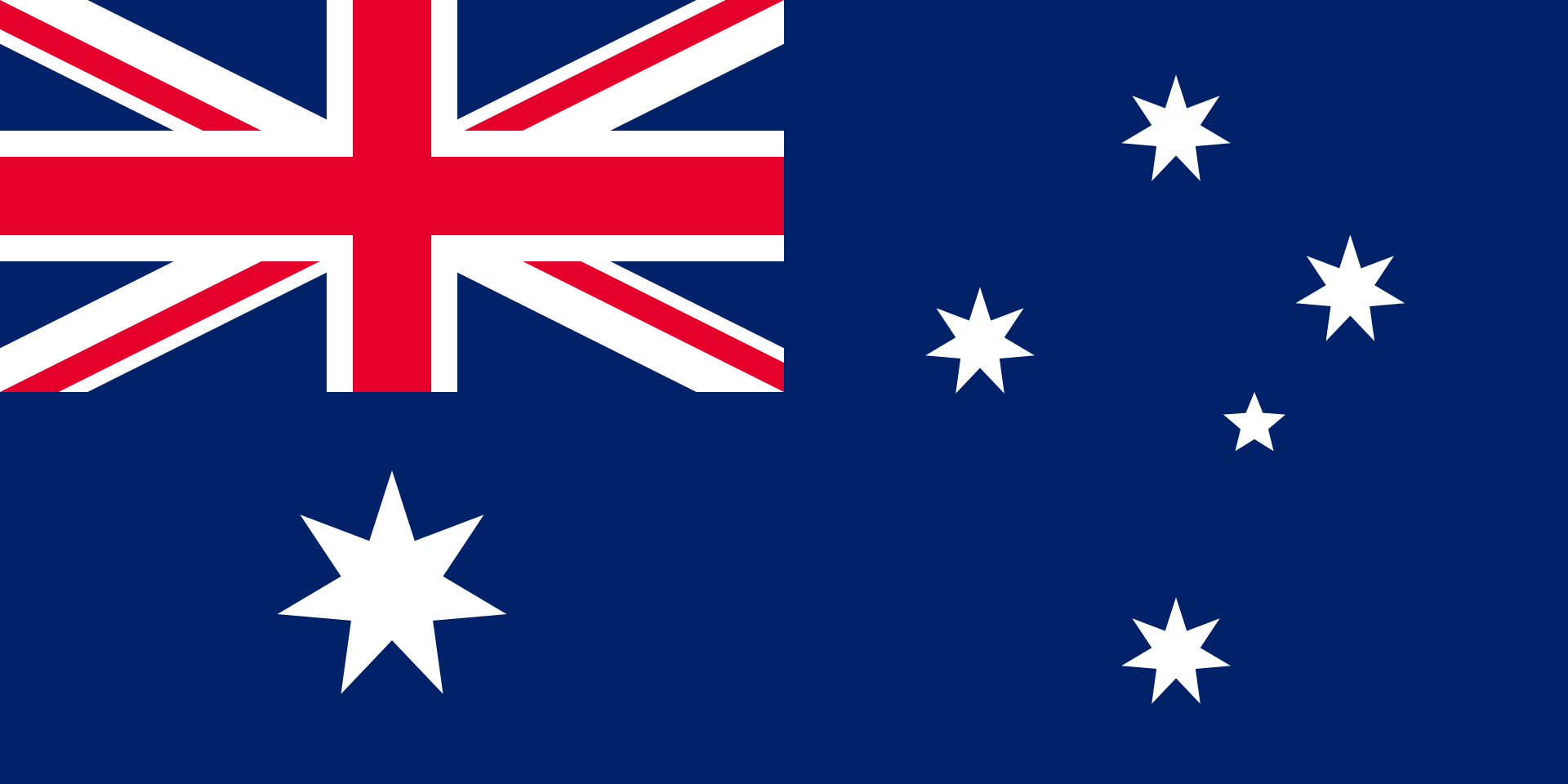
Australia, officially the Commonwealth of Australia, is the sixth-largest country in the world and the largest in Oceania. Occupying a landmass of 7,688,287 km² (2,968,464 sq mi), it is known for its distinctive geography, megadiverse ecosystems, and highly urbanised society. Its capital is Canberra, while Sydney and Melbourne are its largest cities. Australia is renowned for its democratic system, strong economy, and unique blend of Indigenous heritage and multicultural immigration.
History
The history of Australia dates back over 65,000 years, when the first Aboriginal Australians arrived via land bridges from Southeast Asia. These Indigenous communities developed one of the oldest living cultures in the world, with over 250 languages and rich traditions tied to the land.
The first recorded European landing occurred in 1606, when Willem Janszoon, a Dutch navigator, sighted the northern coast. In 1770, Captain James Cook claimed the east coast for Britain, naming it New South Wales. The British established a penal colony at Sydney Cove in 1788, marking the beginning of large-scale European settlement.
The colonies expanded through the 19th century, with the gold rushes fueling migration and wealth. By 1901, the six colonies federated to form the Commonwealth of Australia, adopting a constitution that remains in place today. Australia evolved into a sovereign nation through the Statute of Westminster (1942) and the Australia Acts (1986), gaining full legislative independence from Britain.
Geography and Climate
Australia is often called the “island continent”, surrounded by the Indian and Pacific Oceans. Its landscapes range from arid deserts and savannahs to tropical rainforests and the Great Barrier Reef, the world’s largest coral reef system. The Great Dividing Range in the east shapes much of the climate and water flow.
Australia has a dry climate, with about 70% of the land considered arid or semi-arid. The Murray-Darling Basin forms its largest river system. Unique landforms such as Uluru and Kata Tjuta hold deep cultural and spiritual significance for Indigenous peoples.
Government and Politics
Australia is a federal parliamentary constitutional monarchy. Charles III is the monarch, represented by the Governor-General, while executive power is held by the Prime Minister and Cabinet. The bicameral Parliament consists of the Senate and the House of Representatives.
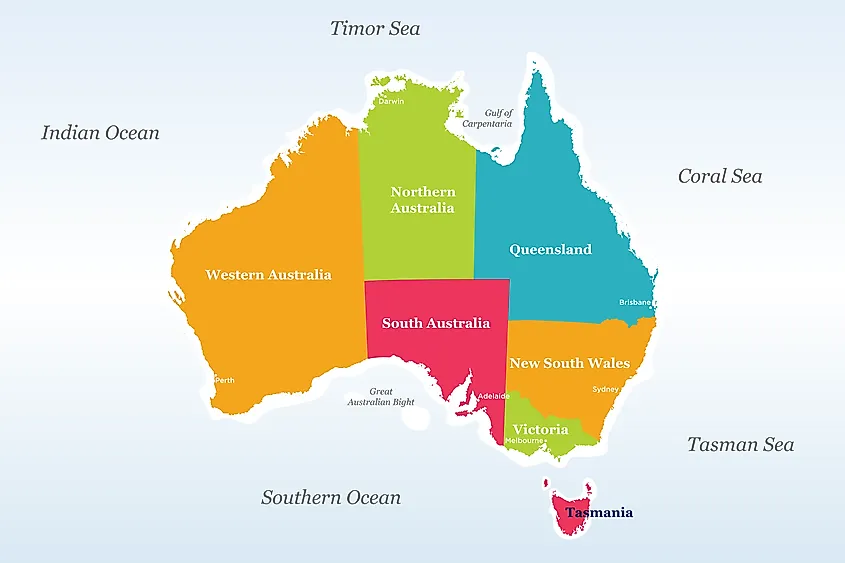
The federation comprises six states (New South Wales, Victoria, Queensland, Western Australia, South Australia, and Tasmania) and two self-governing mainland territories (Australian Capital Territory and Northern Territory).
Economy
Australia has a highly developed mixed-market economy, ranking among the world’s wealthiest nations. Its GDP (nominal) in 2025 is estimated at $1.772 trillion, with a per capita income of $64,547. Key industries include mining, agriculture, services, technology, and education exports.
The nation is one of the world’s largest exporters of iron ore, coal, natural gas, and agricultural products. It also leads in renewable energy adoption, aiming for 82% renewable electricity by 2030. Tourism, higher education, and financial services are significant contributors to the economy.
Culture and Society
Modern Australian culture reflects a blend of Indigenous traditions, Anglo-European heritage, and multicultural immigration. Sport, arts, and cuisine play vital roles in national identity. Iconic foods include Vegemite, lamingtons, Anzac biscuits, and globally recognised wines.
Australia is passionate about sport, with cricket, rugby, soccer, and Australian rules football being major national pastimes. The country has hosted the Olympic Games twice (1956 in Melbourne and 2000 in Sydney) and will host again in 2032 in Brisbane.
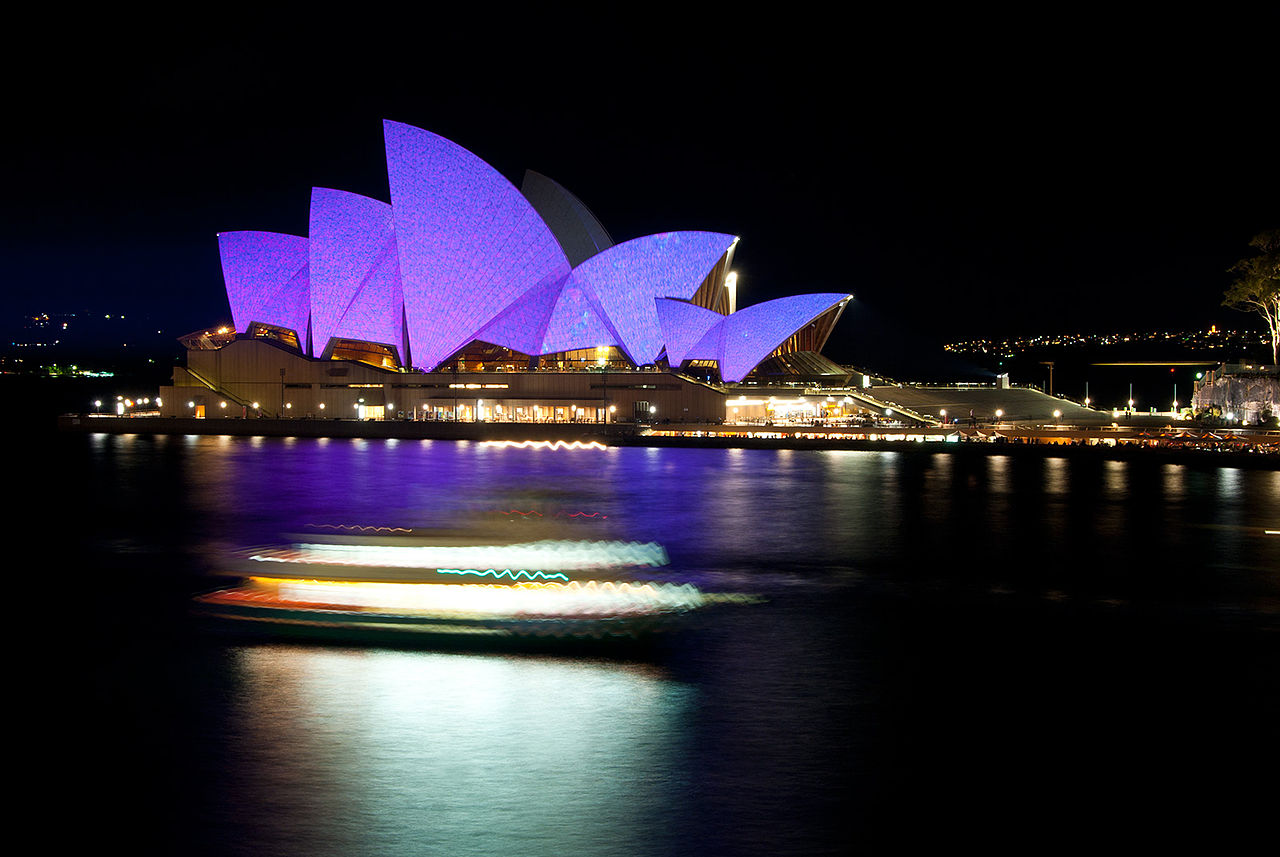
The Sydney Opera House and the Great Barrier Reef are UNESCO World Heritage Sites, symbolising the nation’s cultural and natural wealth.
Demographics
In 2025, Australia’s population is estimated at 28 million, with the majority living along the eastern and southeastern coasts. It is one of the most urbanised nations, with Sydney, Melbourne, Brisbane, Perth, and Adelaide as major cities.
The population is highly diverse, with immigrants making up nearly 30% of residents, among the highest rates globally. English is the national language, while Mandarin, Arabic, and Vietnamese are among the most spoken immigrant languages.
Religiously, 43.9% of Australians identify as Christian, while 38.9% report no religion. Other growing faiths include Islam, Hinduism, and Buddhism.