Australians, commonly known as Aussies, are the citizens and nationals of the Commonwealth of Australia. Their connection to the nation may be residential, legal, cultural, or ancestral, reflecting a rich history shaped by Indigenous traditions, European settlement, and waves of immigration from across the globe. Today, Australians represent a highly diverse population, with immigrants accounting for nearly 30% of the population, one of the highest proportions in the developed world.
History
The story of Australians begins with Indigenous Australians, whose ancestors arrived from Southeast Asia over 50,000 years ago. These communities developed hundreds of languages, rich oral traditions, and strong spiritual ties to the land.
European settlement began in 1788, when the First Fleet arrived from Britain to establish a penal colony in New South Wales. For much of the 19th century, settlers came predominantly from the British Isles, forming the Anglo-Celtic Australian majority. The gold rushes of the 1850s attracted large numbers of immigrants, including from China and Germany, creating the first wave of ethnic diversity.
Following World War II, Australia welcomed millions of migrants from Southern and Eastern Europe, including Italians, Greeks, and Maltese, transforming the cultural landscape. After the abolition of the White Australia policy in 1973, immigration broadened further, with significant arrivals from Asia, the Middle East, and Africa. This has established Australia as one of the world’s leading multicultural societies.
Ancestry and Demographics
At the 2021 Census, Australians identified with a wide range of ancestries:
- European heritage made up 57.2% of responses, including English (33%), Irish (9.5%), Scottish (8.6%), Italian (4.4%), and German (4%).
- Oceanian ancestry, including those identifying simply as “Australian,” represented 33.8%.
- Asian ancestry accounted for 17.4%, with Chinese Australians (5.5%) and Indian Australians (3.1%) forming the largest groups.
- Indigenous Australians, including Aboriginal peoples and Torres Strait Islanders, comprised about 3.2% of the population.
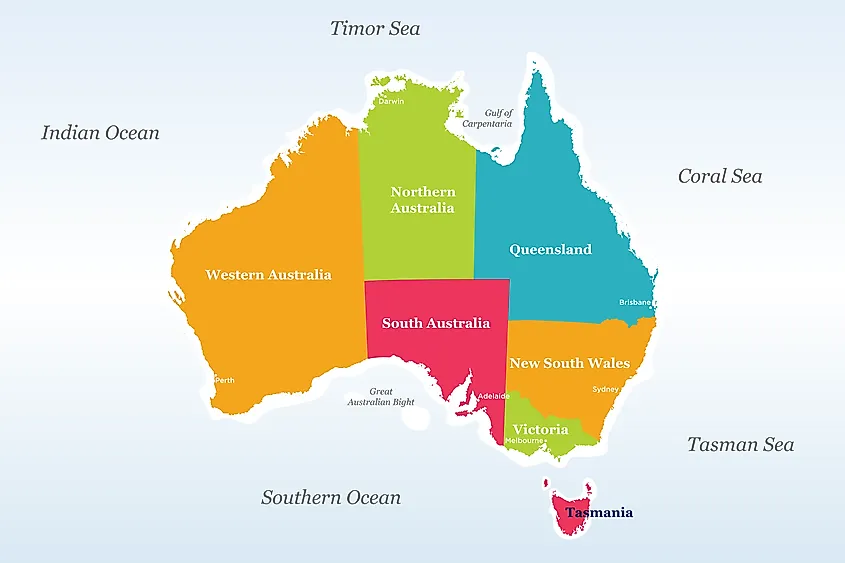
By 2025, the resident population of Australia is estimated at 28.2 million, with most people living in urban areas along the eastern and southeastern coasts.
Language
The primary language spoken by Australians is English, specifically Australian English, which has its own distinct accent and vocabulary. According to the 2021 Census, 72% of Australians spoke only English at home. Other widely spoken languages include Mandarin, Arabic, Vietnamese, Cantonese, and Punjabi.
Indigenous Australian languages, once numbering over 250, remain culturally significant, though fewer than 20 are spoken by communities across all age groups. Auslan, the Australian sign language, is also used by thousands of citizens.
Religion
Australians practice a wide range of religions, reflecting the nation’s multiculturalism. Christianity remains the largest faith, with 43.9% of the population identifying with denominations such as Catholicism and Anglicanism. However, irreligion has grown significantly, with 38.9% reporting no religion in 2021. Other religions include Islam (3.2%), Hinduism (2.7%), Buddhism (2.4%), and Sikhism (0.8%). Indigenous spiritual traditions, particularly the Dreaming, remain important to Aboriginal communities.
Culture and Identity
The identity of Australians is shaped by a blend of Indigenous traditions, Anglo-Celtic heritage, and ongoing immigration. Traits such as egalitarianism, mateship, humor, and informality are often cited as part of the national character.
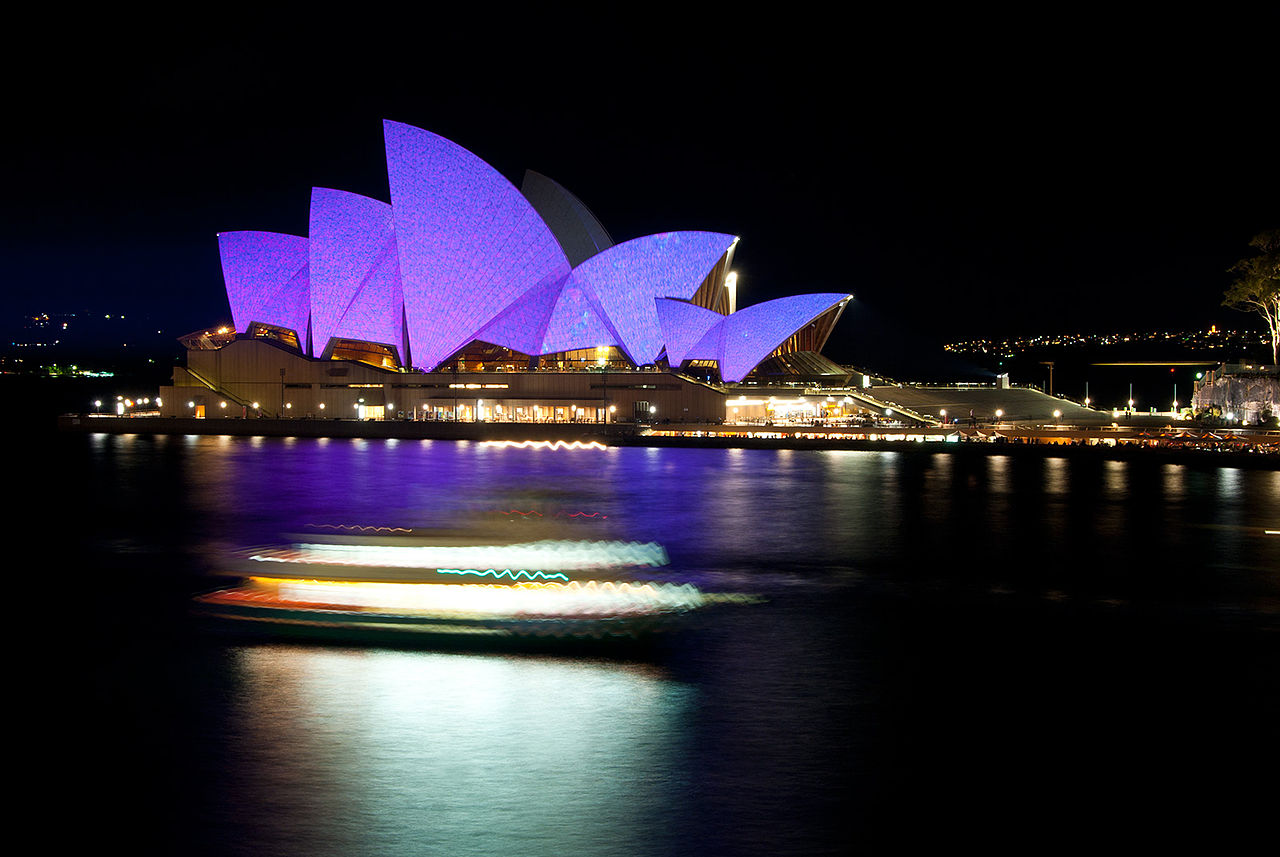
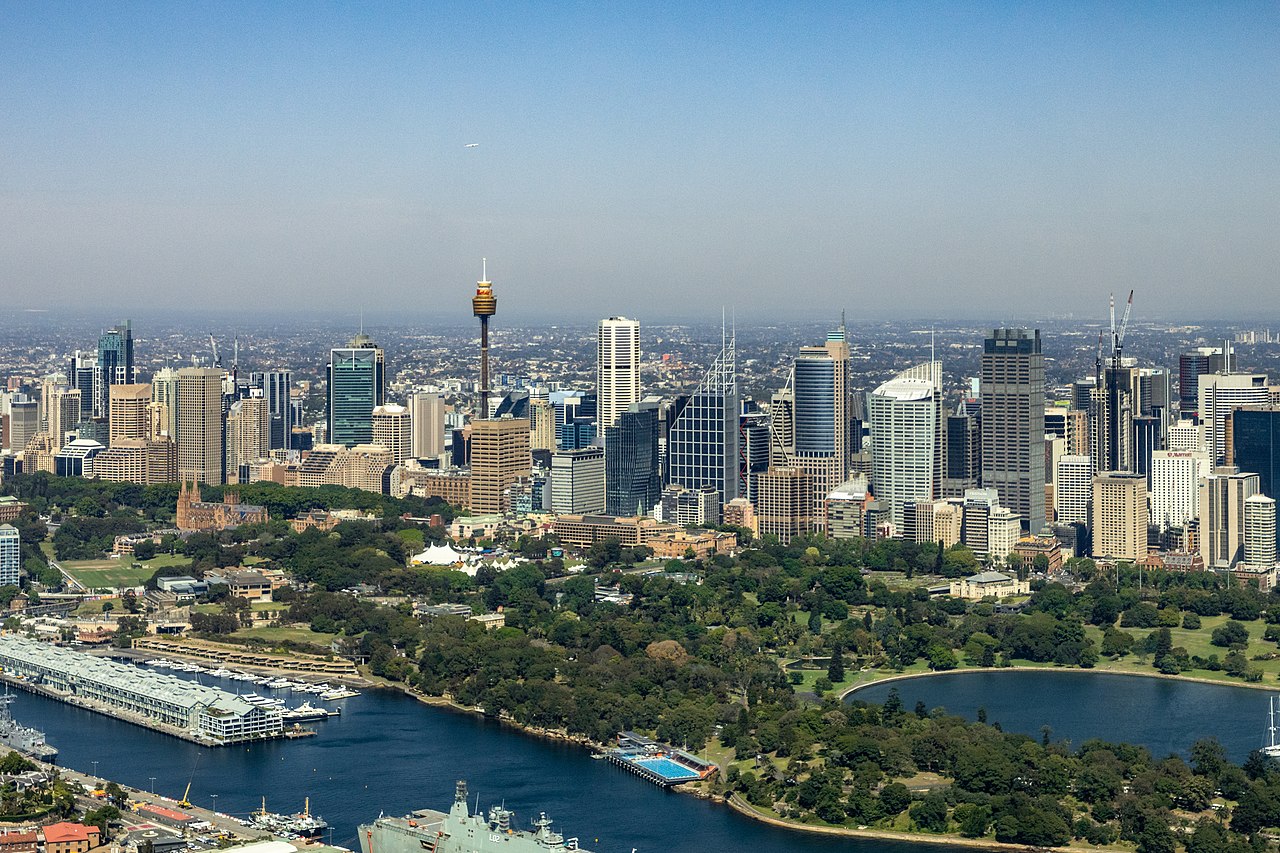
Sport, art, and popular culture are vital to Australian life. Australians are passionate about cricket, rugby, Australian rules football, and swimming, while also contributing to global cinema, music, and literature. The presence of Asian Australians and other immigrant groups has fostered a unique cultural fusion, with major cities like Sydney and Melbourne often described as developing into Eurasian hubs.