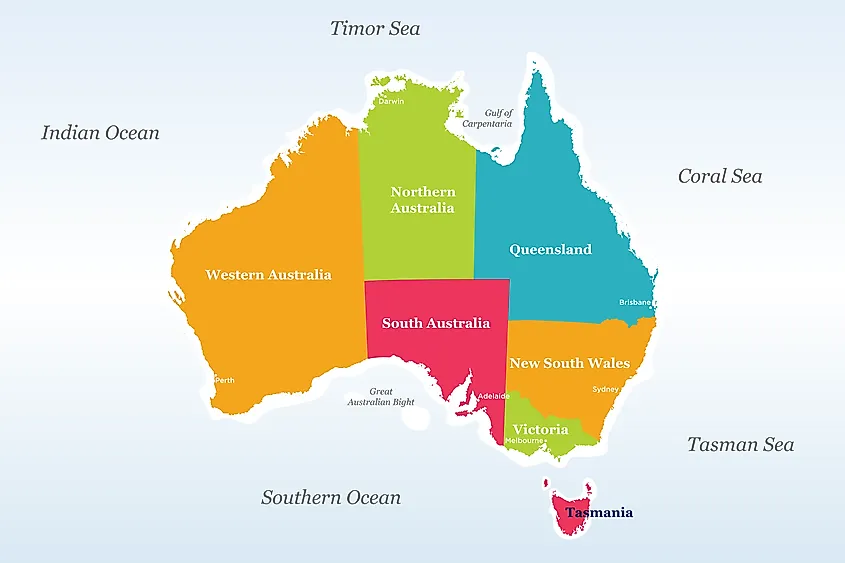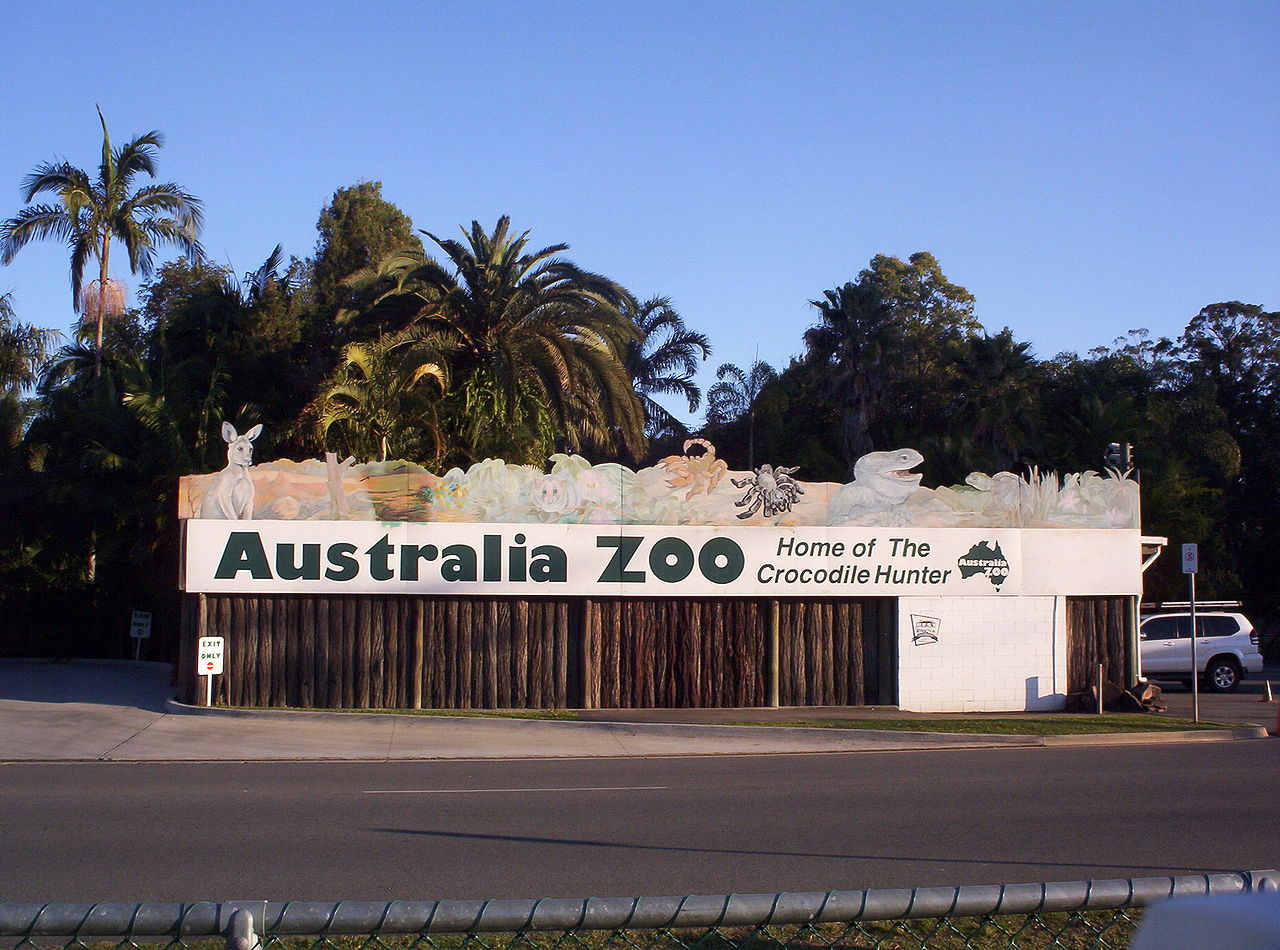
Australia Zoo is one of the most iconic wildlife destinations in the world, located in Beerwah, Queensland on the Sunshine Coast. Spanning 750 acres (300 hectares), it is home to over 1,200 animals and attracts more than 700,000 visitors annually. Famous as the legacy of Steve Irwin, “The Crocodile Hunter”, the zoo combines wildlife conservation, education, and entertainment, making it a premier attraction for both locals and international tourists. Owned by Terri Irwin, the widow of Steve Irwin, the zoo continues to grow while staying true to its mission of wildlife protection.
History of Australia Zoo
Australia Zoo began as the Beerwah Reptile and Fauna Park on 3 June 1970, founded by Bob and Lyn Irwin. Bob, a herpetologist, and Lyn, an animal rehabilitator, instilled a passion for wildlife in their children—Joy, Steve, and Mandy. In 1982, the zoo was renamed the Queensland Reptile and Fauna Park, doubling in size.
In the 1990s, Steve and Terri Irwin rebranded the growing park as Australia Zoo. Revenue from Steve’s famous wildlife documentaries was reinvested into conservation programs, new exhibits, and animal care facilities. Their guiding philosophy placed animals first, staff second, and visitors third.
Tragedy struck in 2006 when Steve Irwin died in a stingray accident. Terri Irwin took over ownership, ensuring his vision of conservation and education continued. Since then, the zoo has become a global symbol of wildlife protection and tourism excellence, winning multiple Australian Tourism Awards.
Expansion and Conservation Focus
From 2007 onwards, Australia Zoo expanded significantly. A land deal with the Queensland Government allowed the development of an open-range safari attraction. In 2008, a $5 million wildlife hospital was built, one of the largest of its kind worldwide, equipped with operating theatres, treatment rooms, and intensive care units.
The zoo has also invested in off-site conservation properties, including the Steve Irwin Wildlife Reserve in Cape York and Iron Bark Station in Queensland. These areas protect endangered species and restore habitats.
Animals at Australia Zoo
The zoo is home to a diverse collection of birds, mammals, reptiles, and amphibians. Visitors can see everything from iconic Australian species to exotic wildlife from Africa and Asia.
- Mammals: kangaroos, koalas, wombats, dingoes, Tasmanian devils, red pandas, giraffes, zebras, meerkats, cheetahs, elephants, and tigers.
- Reptiles: saltwater crocodiles, freshwater crocodiles, Komodo dragons, pythons, taipans, cobras, and turtles.
- Birds: cassowaries, cockatoos, parrots, lorikeets, eagles, and macaws.
- Amphibians: poison dart frogs, tree frogs, and native Australian species.
With interactive enclosures and daily shows, Australia Zoo offers opportunities to feed kangaroos, cuddle koalas, and watch thrilling crocodile feedings.
Key Exhibits
The Crocoseum
The 5,000-seat Crocoseum is the heart of Australia Zoo. It was the world’s first arena designed for wildlife shows featuring snakes, birds, and crocodiles. The Wildlife Warriors Show educates audiences about conservation while showcasing animal behaviors. The venue also hosts concerts and special events.
Africa Exhibit
Opened in 2011, this exhibit recreates the Serengeti ecosystem. It features giraffes, zebras, rhinos, and cheetahs, along with meerkats and guineafowl. The African savanna display highlights the importance of protecting endangered species in their natural habitats.
Tiger Temple
Built in 2005, the Tiger Temple resembles Cambodia’s Angkor Wat. It houses Sumatran tigers, with underwater viewing areas allowing visitors to see these majestic predators up close.
Elephantasia
Opened in 2006, Elephantasia is the largest elephant enclosure in Australia, covering 12 acres (4.9 ha). In 2019, the zoo imported four Sumatran elephants, reinforcing its dedication to species preservation.
Rainforest Aviary
This walk-through aviary is home to 150 bird species. Renamed Grace’s Bird Garden in 2021, it honors Bindi Irwin’s daughter. Nearby is the Birds of Prey aviary, featuring eagles, kites, and other raptors.
Bindi’s Island
Launched in 2014, this family-friendly exhibit includes a three-story treehouse, panoramic views, and a lemur island. It highlights the role of youth in conservation through Bindi Irwin’s advocacy.
Robert’s Reptile House
Dedicated to Steve and Terri’s son, Robert Irwin, this section displays 20 reptile species and three frog species in modern terrariums.
Visitor Experience
Dining
Guests can dine at the Crikey! Café, seating up to 1,500 people, or at smaller venues like the Grasslands Café. Food stands across the zoo offer refreshments.
Transport
The zoo features Steve’s Safari Shuttle, a guided trailer bus, and private caddies for hire, ensuring easy movement across the vast property.
Playgrounds and Activities
Children enjoy shaded playgrounds, water splash parks, and jumping pillows. Families can also participate in animal encounters, photography sessions, and behind-the-scenes tours.
Camping
In 2019, the zoo announced Camp Crocodile, an $8 million camping project designed to attract an additional 39,000 visitors annually to the Sunshine Coast.
Wildlife Warriors and Rescue Efforts
Founded by Steve and Terri Irwin, Wildlife Warriors is the zoo’s charitable foundation. It operates the Australia Zoo Wildlife Hospital, which treats up to 10,000 injured animals per year. The hospital was especially crucial during the 2019–20 bushfires, when it reached its 90,000th patient milestone.
The hospital includes:
- Two operating theatres
- ICU units for mammals, reptiles, and birds
- X-ray and treatment facilities
- Public viewing areas for education
Properties Owned by Australia Zoo
- Steve Irwin Wildlife Reserve (Cape York): 135,000 hectares of wetlands and rainforest.
- Iron Bark Station (Blackbutt): 3,500 acres, dedicated to koala conservation.
- Mourachan (St. George): 117,000 acres, protecting endangered species like the woma python.
These properties showcase the zoo’s commitment to conservation beyond its boundaries.
Awards and Recognition
Australia Zoo has earned multiple accolades, including:
- Australian Tourism Awards (2003–2004) – Major Tourist Attraction.
- Queensland Tourism Gold Award (2010).
- RACQ People’s Choice Award (2019).
Such recognition cements its place as both a wildlife conservation hub and a top Australian attraction.
Conclusion
Australia Zoo is more than a zoo—it is a global symbol of conservation, education, and wildlife rescue. From its humble beginnings as a reptile park to becoming a world-class attraction, the zoo continues the legacy of Steve Irwin. With its diverse animals, immersive exhibits, and strong conservation ethos, Australia Zoo remains a must-visit destination in Queensland and a leading voice for wildlife protection worldwide.