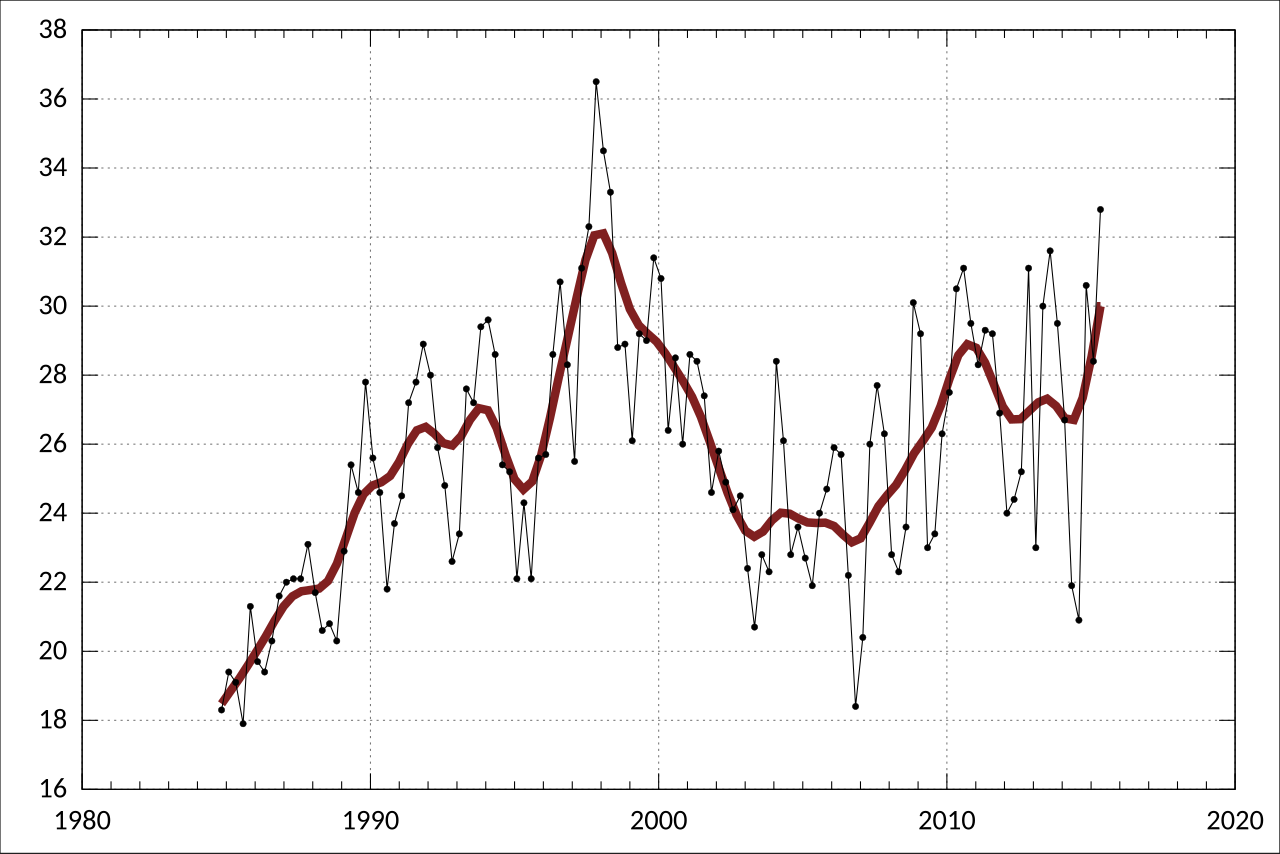
Gambling is one of the most widespread leisure activities in Australia. In 2022–23, Australians placed bets worth $244.3 billion, with total losses reaching $31.5 billion. This places Australia as the world’s leading gambling nation, both in per-capita spend and losses.
- 72.8% of adults gambled within the previous 12 months.
- 38% of adults gambled at least once a week.
- Online gambling is particularly dominant, with Australians spending more online than any other country.
Public health experts consider gambling a major issue, with up to 160,000 adults (0.5–1%) suffering significant gambling problems, and as many as 350,000 (2.1%) at moderate risk. Gambling is also widespread among youth—30% of 12–17 year olds and 46% of 18–19 year olds report gambling.
Revenue and Economic Role
- Gambling generated 7.7% of state and territory taxation revenue in 2015–16.
- By 2019, the gambling market exceeded $25 billion.
- During the pandemic, online gambling participation surged to 78% of gamblers.
States vary significantly: Western Australia has the lowest reliance on gambling revenue, while the Northern Territory has the highest.
Major Forms of Gambling
Electronic Gaming Machines (Pokies)
- Popularly known as pokies, these machines account for nearly $150 billion in bets annually, with $12 billion in losses.
- Australia has 76% of the world’s pub and club poker machines, despite only having 0.3% of global population.
- NSW alone hosts nearly 96,000 machines, second globally only to Nevada.
Sports Betting & Wagering
Horse racing has a long history, dating back to Sydney’s first official race in 1810. Betting on sports and racing is regulated at both state and federal levels.
Casinos
Each state and territory hosts at least one major casino (Crown Melbourne, Star Sydney, etc.). Casino revenue is heavily taxed and subject to strict regulation.
Lotteries & Keno
Lotteries are widespread, often state-managed or conducted by The Lottery Corporation and Lotterywest. Keno games are popular in pubs, clubs, and casinos.
Online Gambling
The Interactive Gambling Act 2001 makes it illegal for operators to offer most real-money online gambling services to Australians, but players themselves are not penalised. Loopholes allow Australians to access offshore websites. By 2010, Australians were already spending $800 million annually online, with that figure much higher today.
Regulation & Authorities
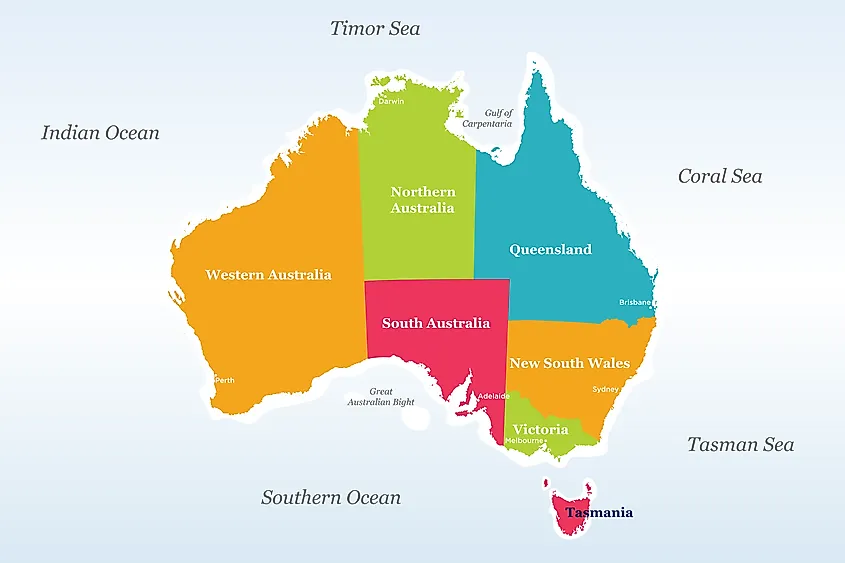
Gambling is regulated separately by each state and territory:
- NSW – Liquor and Gaming NSW
- Victoria – Victorian Gambling and Casino Control Commission
- Queensland – Office of Liquor and Gaming Regulation
- Western Australia – Dept. of Racing, Gaming and Liquor
- Others have similar state-based regulators.
At the federal level:
- The Australian Communications and Media Authority (ACMA) regulates online gambling advertising.
- In 2023, a national self-exclusion register (BetStop) was introduced, allowing individuals to ban themselves from gambling platforms.
Advertising and Public Policy
- Gambling advertising remains legal, but under scrutiny.
- In 2023–24, a parliamentary inquiry recommended bans on gambling ads during sporting events.
- Polling shows 76% of Australians support a complete ban on gambling advertising, especially online and on player uniforms.
- As of 2025, the Albanese government is considering a phased ban on digital gambling ads but has not implemented a full prohibition.
Taxation
- Gamblers’ winnings are not taxed in Australia.
- Instead, operators are taxed through turnover taxes, player loss taxes, net profit taxes, and licensing fees.
- Tax rates vary widely by state:
- NSW: 0–50% tax on player losses (depending on venue).
- Victoria: up to 62% on pokies in hotels.
- Queensland: 35% plus levies.
- WA: relatively lower at ~12% for casinos.
This diversity makes national comparisons complex, but collectively, gambling is one of the highest-taxed industries in Australia.
Key Takeaways
- Australians are the world’s biggest gamblers per capita, both in spending and losses.
- Pokies dominate the landscape, with NSW a global hotspot.
- Online gambling and advertising are rising concerns, particularly for youth.
- Strong public support exists for stricter advertising bans and regulatory measures.
- Despite concerns, gambling remains deeply entrenched in Australian society, culture, and state revenues.