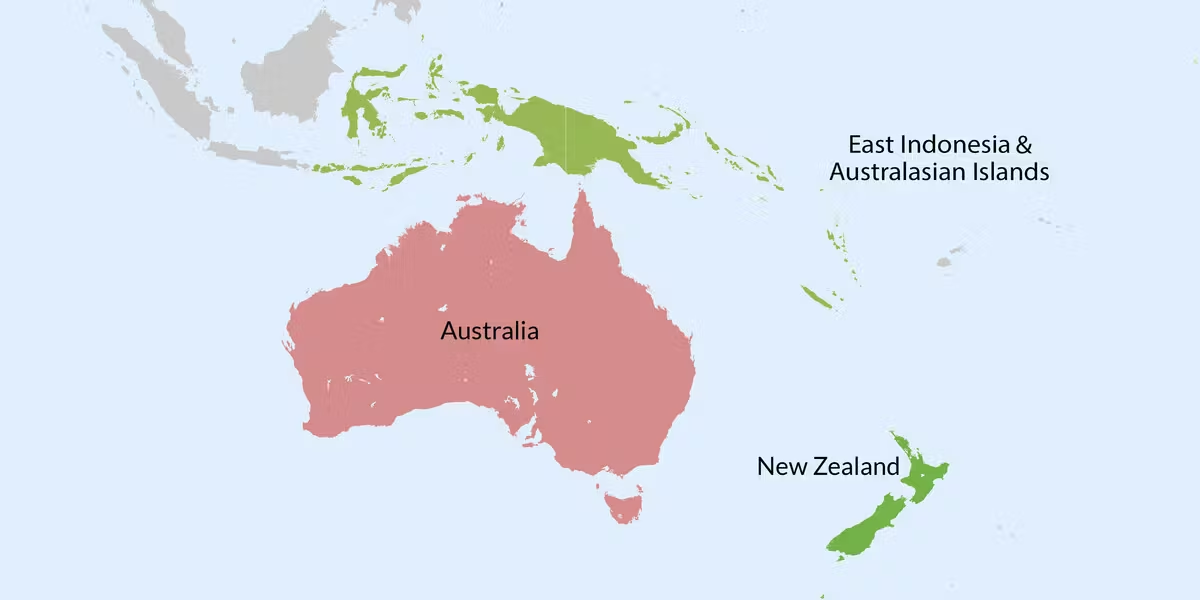
Australasia is a subregion of Oceania, encompassing Australia, New Zealand, New Guinea, and surrounding Pacific islands. The term is applied in different contexts, including geopolitical, ecological, and cultural definitions, with its scope sometimes restricted to Australia and New Zealand, or broadened to include Melanesia. The concept has evolved since the 18th century, reflecting colonial, linguistic, and scientific perspectives.
Etymology and Historical Use
The term Australasia was first coined in 1756 by French writer Charles de Brosses in his work Histoire des navigations aux terres australes. Derived from the Latin phrase meaning “south of Asia”, the word distinguished the region from Polynesia to the east and Magellanica in the southeast Pacific.
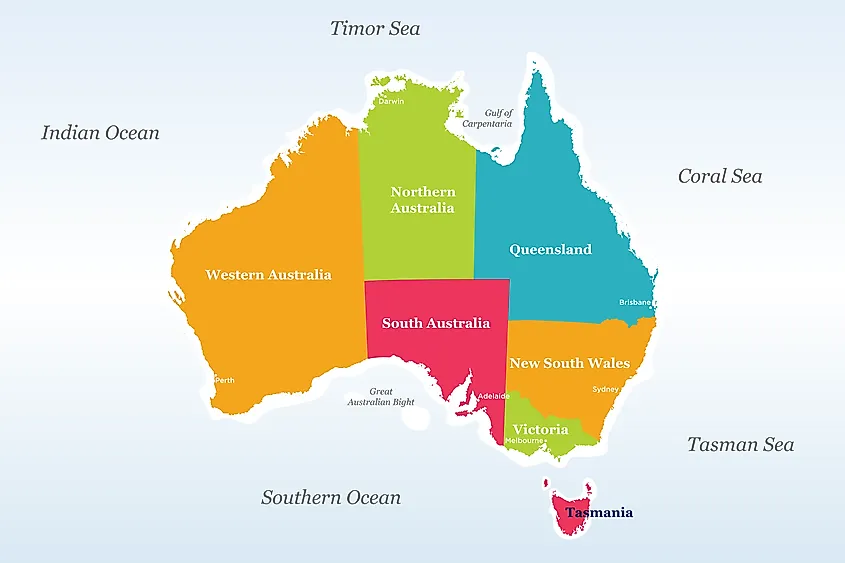
In the 19th century, Australasia often referred specifically to the British colonies south of Asia, including New South Wales, Queensland, South Australia, Tasmania, Western Australia, Victoria, and New Zealand. By the early 20th century, the term held significance in colonial geopolitics, with German strategists viewing it as a counterbalance within the broader Indo-Pacific framework.
Definitions and Interpretations
Different dictionaries and institutions provide varying definitions of Australasia:
- New Zealand Oxford Dictionary: Defines it as Australia, New Zealand, New Guinea, and neighboring Pacific islands in Australian use, but only Australia and New Zealand in New Zealand use.
- Merriam-Webster Dictionary: Identifies Australasia as Australia, New Zealand, and Melanesia.
- American Heritage Dictionary: Offers both a precise and a broader interpretation, sometimes equating Australasia with all of Oceania.
Geographically, New Guinea is often classified within Melanesia, while New Zealand is considered part of Polynesia due to its Māori heritage.
Geography and Composition
Australasia overlaps with several subregions of Oceania, including Melanesia and Polynesia. Its main components typically include:
- Australia (mainland and external territories such as Christmas Island, Norfolk Island, Cocos Islands, and Coral Sea Islands)
- New Zealand
- Papua New Guinea
- Nearby Pacific islands, depending on the definition applied
The region covers over 8.4 million km² with a population exceeding 42 million people as of 2021.
Demographics
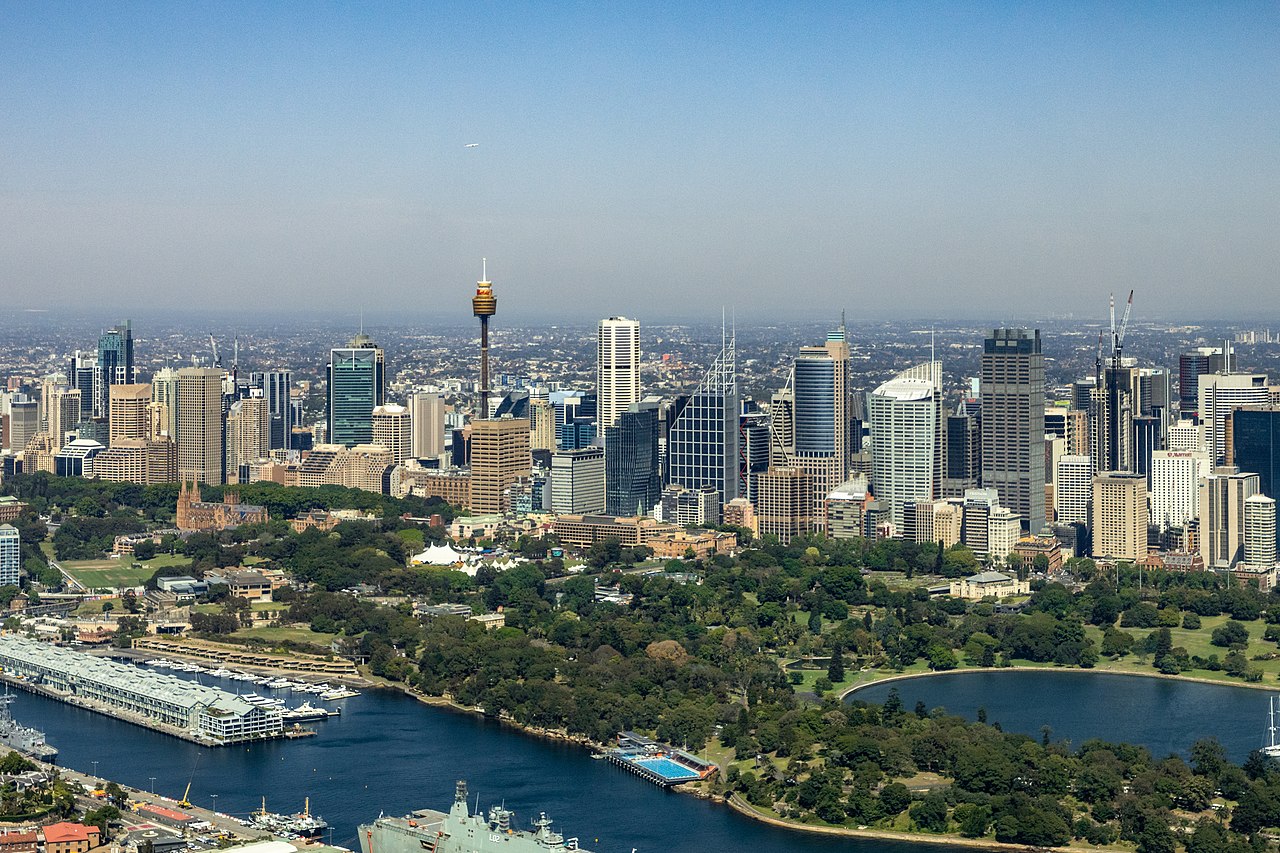
Australasia is diverse in population and density, ranging from the highly urbanized centers of Sydney, Melbourne, and Auckland to sparsely populated islands. The table below summarises population statistics by country and territory (2021 estimates):
| Region / Country | Area (km²) | Population (2021) | Density (/km²) | Capital |
|---|---|---|---|---|
| Australia | 7,686,850 | 25,921,089 | 3.1 | Canberra |
| New Zealand | 268,680 | 5,129,727 | 17.3 | Wellington |
| Papua New Guinea | 462,840 | 9,949,437 | 22 | Port Moresby |
| Norfolk Island (AU) | 35 | 2,302 | 65.8 | Kingston |
| Christmas Island (AU) | 135 | 1,692 | 12.5 | Flying Fish Cove |
| Cocos (Keeling) Islands (AU) | 14 | 593 | 42.4 | West Island |
| Coral Sea Islands (AU) | 10 | 4 | 0.4 | — |
| Ashmore and Cartier Islands (AU) | 199 | — | — | — |
| Total | 8,418,763 | 42,836,966 | 5.1 | — |
Modern Context
Today, Australasia is used in academic, sporting, and ecological contexts. In ecology, it represents a biogeographic region that includes species unique to Australia, New Guinea, and nearby islands. In international relations, the term occasionally appears in discussions of trade, security, and identity, particularly in the Asia-Pacific and Indo-Pacific frameworks.
Conclusion
Australasia is a dynamic concept, historically shaped by colonial expansion and scientific classification, yet still widely used in discussions of geography, politics, and culture. Whether narrowly defined as Australia and New Zealand or broadly as Oceania’s southern subregion, it reflects the region’s unique position between Asia and the Pacific.