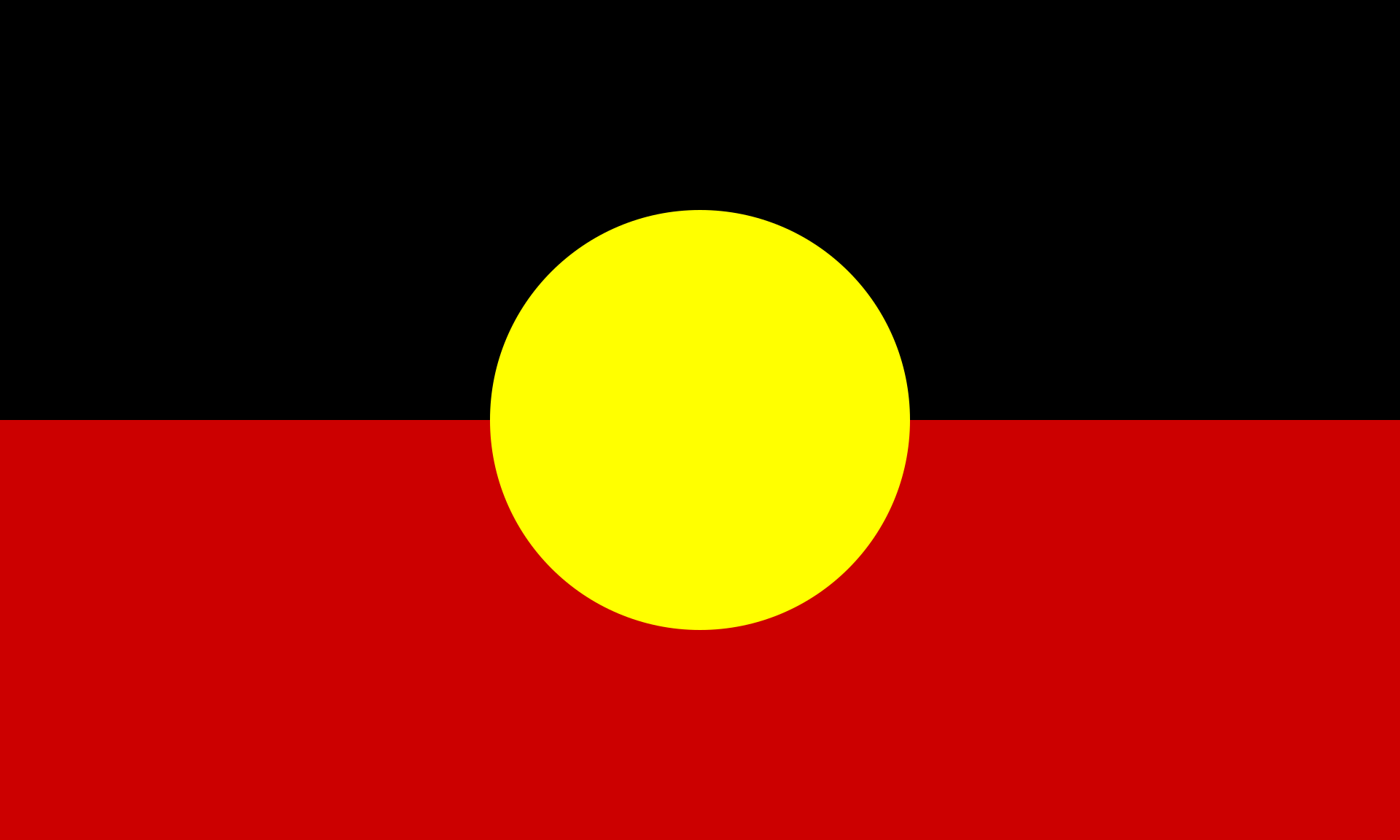
Aboriginal Australians are the Indigenous peoples of mainland Australia and many of its islands, excluding the Torres Strait Islanders who are culturally distinct. They represent one of the oldest continuous cultures in the world, with archaeological evidence showing human presence on the continent for over 50,000 years. Today, Aboriginal Australians make up around 3.8% of the national population, maintaining unique traditions, languages, and cultural practices while navigating the impact of colonisation and modern Australian society.
Origins and Early Settlement
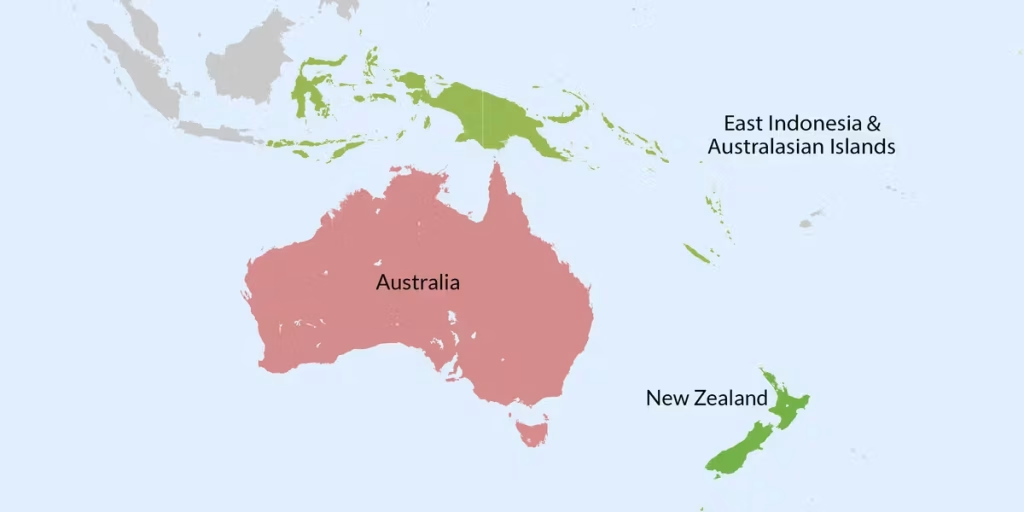
Scholars estimate that the ancestors of Aboriginal Australians migrated to the continent between 50,000 and 65,000 years ago, likely among the first humans to undertake sea voyages. During the Pleistocene epoch, they settled on the supercontinent Sahul, which once connected Australia, Tasmania, and New Guinea. As sea levels rose about 11,700 years ago, populations became increasingly isolated, particularly in Tasmania and offshore islands. Despite this isolation, Aboriginal groups developed vast trade networks, law systems, and religious traditions that still resonate today.
Genetics and Ancestry
Genetic studies show Aboriginal Australians share ancestry with Papuans and Melanesians, forming a deeply branching East Eurasian lineage. DNA evidence suggests they carry traces of Denisovan ancestry, highlighting ancient interbreeding events. Aboriginal Australians are considered the oldest continuous population outside Africa, having lived in the same territory for tens of thousands of years without significant outside influence until recent centuries.
Culture and Beliefs
Aboriginal culture is diverse, with more than 400 distinct groups, each linked to language and territory known as Country. Central to Aboriginal spirituality is the Dreaming or Dreamtime, a complex framework of creation stories, ancestral beings, and moral laws. Key ancestral spirits include the Rainbow Serpent, Baiame, Dirawong, and Bunjil. Cultural expression continues through songlines, dance, art, ceremonies, and oral histories, some of which date back over 20,000 years.
Language
Before European colonisation, Aboriginal peoples spoke more than 250 languages and around 800 dialects. Many of these languages are now endangered, with only a few actively taught to children. Most Aboriginal Australians today speak English or Aboriginal English, often enriched with vocabulary and structures from traditional languages. Efforts are ongoing to revive and preserve Indigenous languages as part of cultural renewal.
Identity and Terminology
The term Aboriginal Australians encompasses many different peoples who share broad ancestry but distinct cultural traditions. Today, identity is shaped by family lineage, self-identification, and community recognition. While the term Indigenous Australians includes both Aboriginal peoples and Torres Strait Islanders, some Aboriginal people prefer not to use it, viewing it as overly broad. The concept of a unified Aboriginal identity has evolved mainly since colonisation, as diverse groups faced common challenges.
Demographics
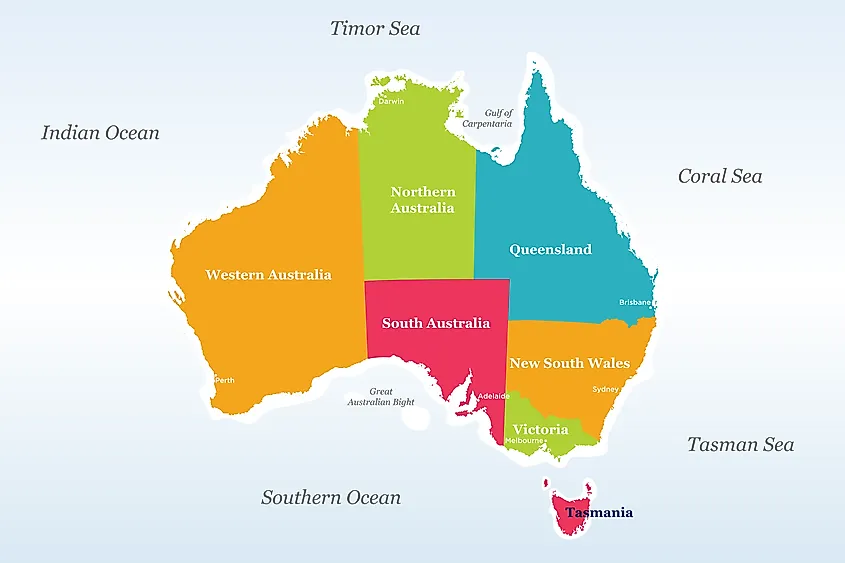
According to the 2021 census, there were 984,000 Aboriginal Australians, representing 3.8% of the population. The highest proportions live in the Northern Territory (30.3%), followed by Tasmania, Queensland, and Western Australia. While historically living across the entire continent, today the majority reside in urban areas, though strong communities remain in remote regions.
Health and Social Challenges
Aboriginal Australians face significant health and economic disparities compared to the wider population. Life expectancy, access to healthcare, and educational outcomes are generally lower, while rates of chronic illness and suicide are higher. These disparities are linked to historical trauma, colonisation, socioeconomic exclusion, and intergenerational disadvantage. Initiatives such as Closing the Gap seek to address these inequalities, with increasing emphasis on culturally sensitive approaches.
Contemporary Life and Community
Despite historical disruption, Aboriginal Australians continue to sustain and revive their cultures. Many live in cities, contributing across fields including politics, arts, sports, and academia, while others maintain strong ties to traditional lands. Community identity often includes defining groups as saltwater, freshwater, desert, or rainforest peoples, reflecting diverse ecological and cultural connections.
Legacy
Aboriginal Australians represent a living link to humanity’s earliest history, with traditions, languages, and cultural practices that remain vital. Their resilience highlights both the endurance of one of the world’s oldest cultures and the ongoing challenges faced in modern Australia. Efforts to preserve language, strengthen identity, and close socioeconomic gaps continue to shape the future of Aboriginal Australians.