Virgin Australia is one of the most recognized airlines in the Asia-Pacific region. Based in Brisbane, Queensland, it began operations in 2000 under the name Virgin Blue. Founded by Richard Branson and Brett Godfrey, it quickly became a key competitor to Qantas. Today, Virgin Australia is the country’s largest domestic carrier by market share, offering flights across Australia and selected international routes. With its Velocity Frequent Flyer program, innovative branding, and diverse fleet, the airline has grown into a household name.
Early Years as Virgin Blue (2000–2006)
Virgin Blue launched in August 2000 as a low-cost airline with just two Boeing 737-400 aircraft. Its first route connected Brisbane and Sydney, offering affordable fares and simplified services. The name “Virgin Blue” reflected both the airline’s branding and an Australian slang tradition of calling red-haired men “Blue.”
The collapse of Ansett Australia in 2001 provided an unexpected boost. Virgin Blue quickly filled the gap left in the market, expanding into major cities and leisure destinations. Its strategy of operating a single aircraft type, the Boeing 737, helped reduce costs. By the mid-2000s, Virgin Blue had become the second-largest domestic carrier in Australia.
Ownership shifted over these years, with Patrick Corporation and later Toll Holdings acquiring significant stakes. By 2006, the Virgin Group retained only a minority share. Despite corporate battles, the airline continued to expand its network and brand recognition.
Codeshares and Growth (2006–2010)
To compete with Qantas, Virgin Blue developed partnerships with Emirates, Hawaiian Airlines, Malaysia Airlines, and Garuda Indonesia. It also introduced Embraer E-jets in 2007 to re-enter the Sydney–Canberra route and serve smaller markets.
By 2008, Business Class seating was added, targeting corporate travelers. The introduction of Airbus A330s in 2011 further enhanced its offering on longer domestic routes. During this period, alliances with Etihad Airways, Air New Zealand, and Delta Air Lines positioned Virgin Blue as a competitive player internationally.
V Australia and Long-Haul Expansion (2008–2011)
In 2008, Virgin Blue created V Australia, a subsidiary designed for long-haul flights to the United States. With a fleet of Boeing 777-300ERs, the airline launched services between Sydney and Los Angeles, later expanding to Melbourne and Brisbane. V Australia also served destinations like Phuket, Nadi, and Johannesburg before merging back into Virgin Australia in 2011.
Rebranding to Virgin Australia (2011)
In May 2011, the airline officially rebranded as Virgin Australia. The transformation included:
- A sleek new white livery with red accents
- Updated crew uniforms
- New onboard menus and Business Class cabins
- Consolidation of Virgin Blue, Pacific Blue, and V Australia into one unified brand
The rebrand aimed to capture both leisure and corporate travelers, positioning Virgin Australia as a mid-market hybrid airline.
Financial Struggles and COVID-19 (2011–2020)
Despite rapid growth, Virgin Australia faced mounting financial challenges. Heavy investment in wide-body aircraft and competitive pressures strained its balance sheet. By 2018, revenue reached A$5.4 billion, but operating margins remained slim.
The COVID-19 pandemic was a turning point. In April 2020, Virgin Australia entered voluntary administration, unable to secure government bailout support. Bain Capital acquired the airline in November 2020, committing to restructure it into a leaner, mid-market carrier. The airline exited administration with a renewed focus on domestic operations.
Recovery and Restructuring (2020–2025)
Under Bain Capital, Virgin Australia streamlined its operations:
- Retired wide-body Airbus A330s and Boeing 777s
- Discontinued Tigerair Australia, its low-cost subsidiary
- Focused on its Boeing 737 fleet for efficiency
- Relaunched lounges and restructured cabin offerings
By 2023, the airline had returned to profitability, reporting a $129 million profit after more than a decade of losses. In 2024, a codeshare with Air New Zealand was reinstated, focusing on trans-Tasman routes.
In 2025, Virgin Australia relisted on the ASX, with Bain Capital reducing its stake and Qatar Airways securing a 23% ownership share.
Fleet and Operations
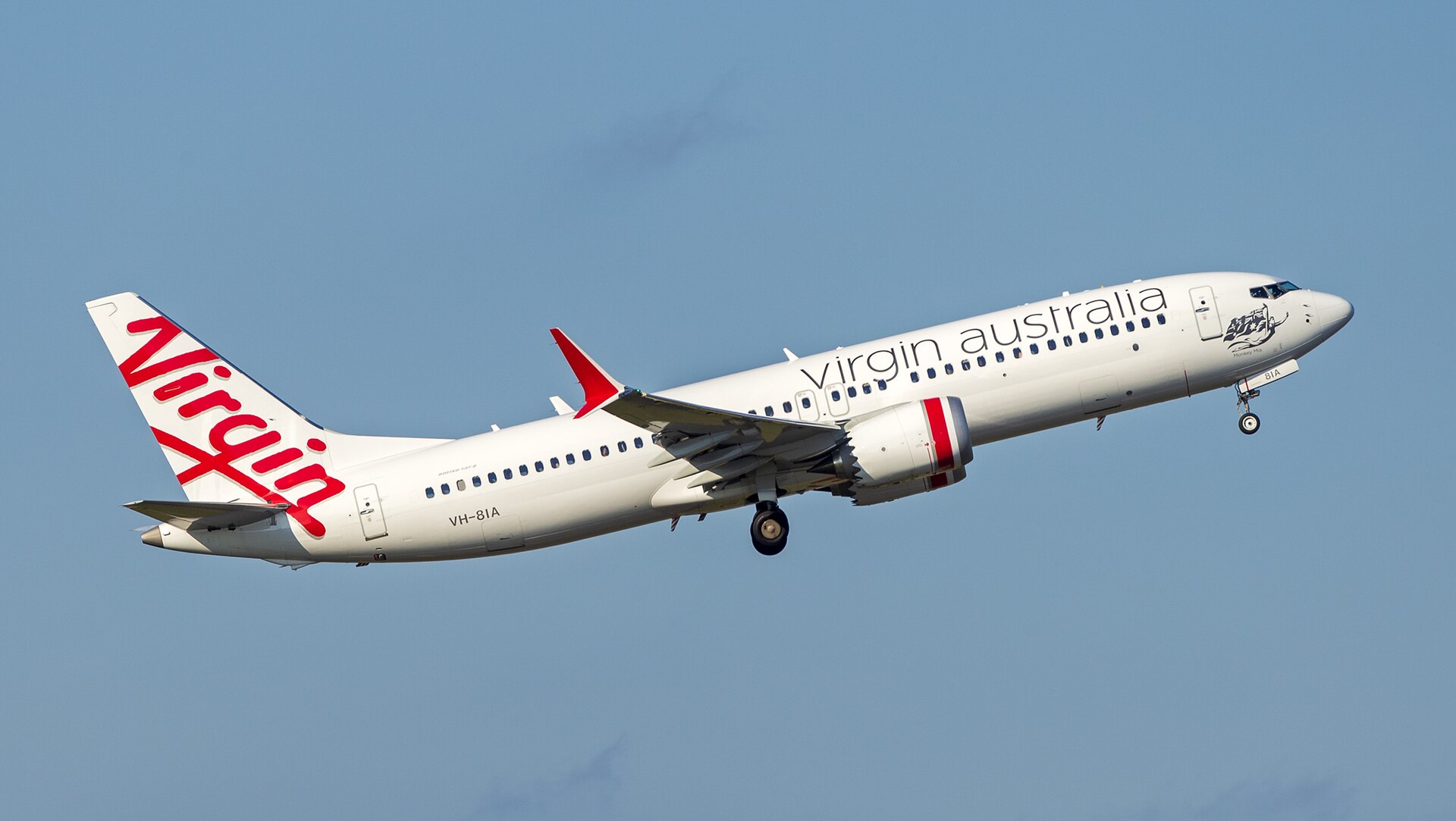
As of 2025, Virgin Australia operates an all-Boeing 737 fleet, including:
- Boeing 737-700
- Boeing 737-800
- Boeing 737 MAX 8
- Future orders for Boeing 737 MAX 10
The streamlined fleet supports domestic and regional routes, with occasional short-haul international flights. Aircraft are often given unique names such as “Brissie Lizzie” and “Sassy Sydney”, reflecting Australian culture and landmarks.
Destinations and Hubs
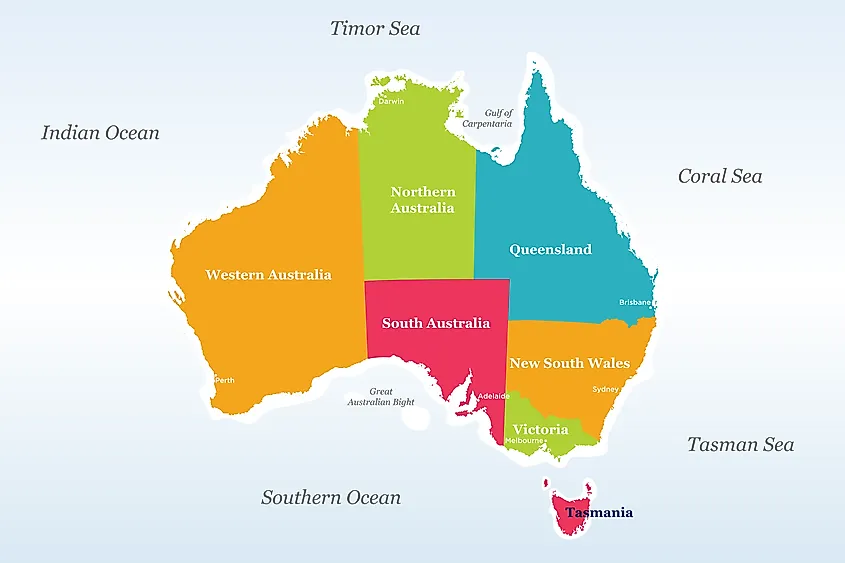
Virgin Australia serves over 33 domestic destinations from major hubs in:
- Brisbane
- Melbourne
- Sydney
Secondary hubs include Adelaide and Perth, with focus cities such as Cairns, Canberra, Gold Coast, and Denpasar (Bali).
Codeshare partners include Singapore Airlines, United Airlines, Air Canada, Qatar Airways, Virgin Atlantic, and others, providing global connectivity.
Velocity Frequent Flyer Program
The Velocity Frequent Flyer program launched in 2005 and today boasts millions of members. It offers:
- Status tiers: Red, Silver, Gold, and Platinum
- Points accrual through flights, credit cards, and retail partners
- “Any seat, any time” redemption options
- Velocity Global Wallet, a prepaid travel card supporting multiple currencies
Velocity has won several Freddie Awards, including best redemption ability and program of the year.
Lounges and Onboard Experience
Virgin Australia lounges are located in major airports like Sydney, Melbourne, Brisbane, and Perth, offering food, beverages, Wi-Fi, and workspaces.
Onboard, passengers can choose from three cabin options:
- Business Class – Premium seating, meals, and drinks
- Economy X – Extra legroom, priority boarding
- Economy – Affordable fares with optional add-ons
Entertainment includes streaming services and Wi-Fi on newer aircraft, with Business Class guests receiving complimentary internet access.
Corporate Affairs and Branding
Headquartered in South Bank, Queensland, Virgin Australia has undergone major leadership changes. Dave Emerson became CEO in 2025, succeeding Jayne Hrdlicka.
Marketing campaigns have long emphasized a playful yet professional tone, with slogans like “Now you’re flying.” Sponsorships include partnerships with the AFL, NBL, and V8 Supercars.
Challenges and Controversies
Like many airlines, Virgin Australia has faced challenges:
- COVID-19 collapse and restructuring
- Criticism of its foreign ownership structure for international operations
- Disputes over crew conditions in 2025
- Earlier controversies regarding passenger discrimination policies
Despite these, Virgin Australia has maintained strong brand loyalty and recovered profitability in recent years.
Awards and Recognition
Virgin Australia has earned multiple awards, including:
- Skytrax Best Low-Cost Airline (2002)
- Customer Service Institute of Australia awards (2009)
- Randstad Most Attractive Employer (2015)
- Freddie Awards for Velocity Frequent Flyer (multiple years)
These accolades highlight the airline’s focus on customer experience and employee branding.
The Role of Virgin Australia Today
As of 2025, Virgin Australia is firmly positioned as a mid-market hybrid carrier. It balances affordability with comfort, targeting leisure and corporate travelers alike. With Bain Capital and Qatar Airways as key shareholders, the airline is financially more stable and strategically aligned for future growth.
Its focus remains on domestic dominance while leveraging global partnerships for international connectivity. For travelers, Virgin Australia offers a blend of reliability, comfort, and value.