Prime Minister Anthony Albanese has strongly defended Australia’s ambassador to the United States, Kevin Rudd, after former U.S. President Donald Trump publicly rebuked him during their meeting in Washington. The incident drew both diplomatic attention and domestic political debate, but Albanese insists that Rudd continues to play a crucial role in strengthening the Australia–U.S. alliance.
What Happened
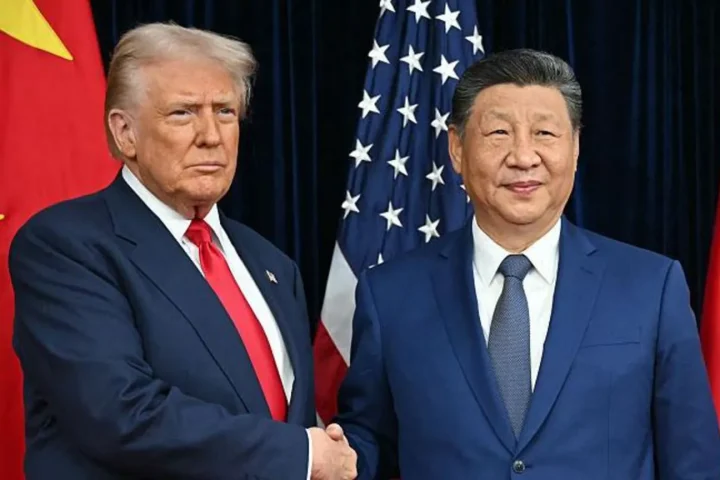
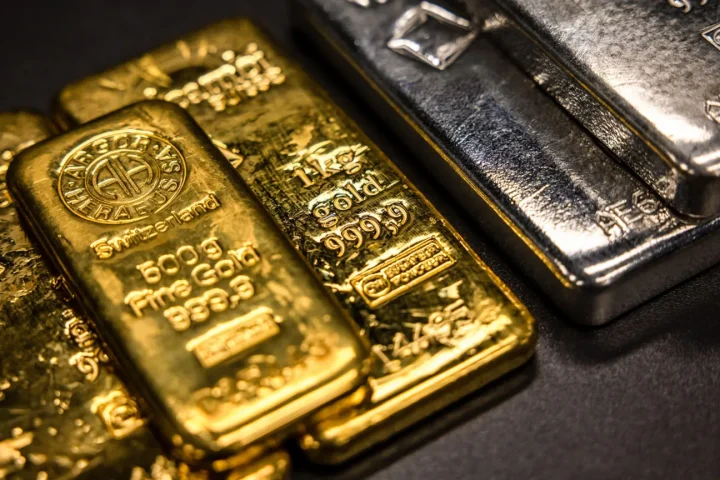
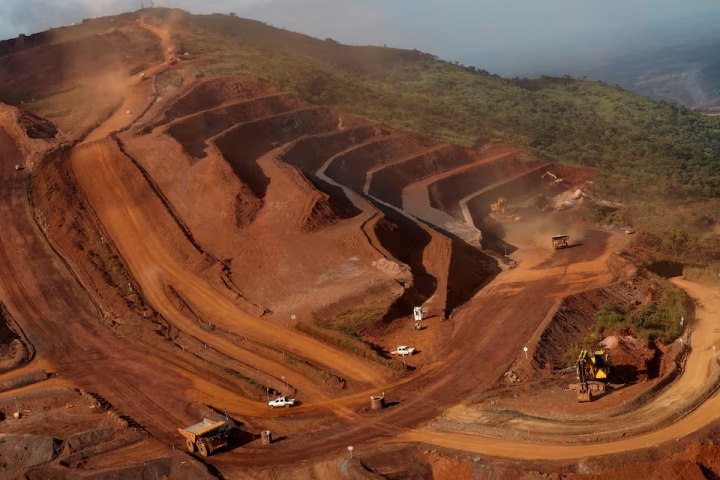
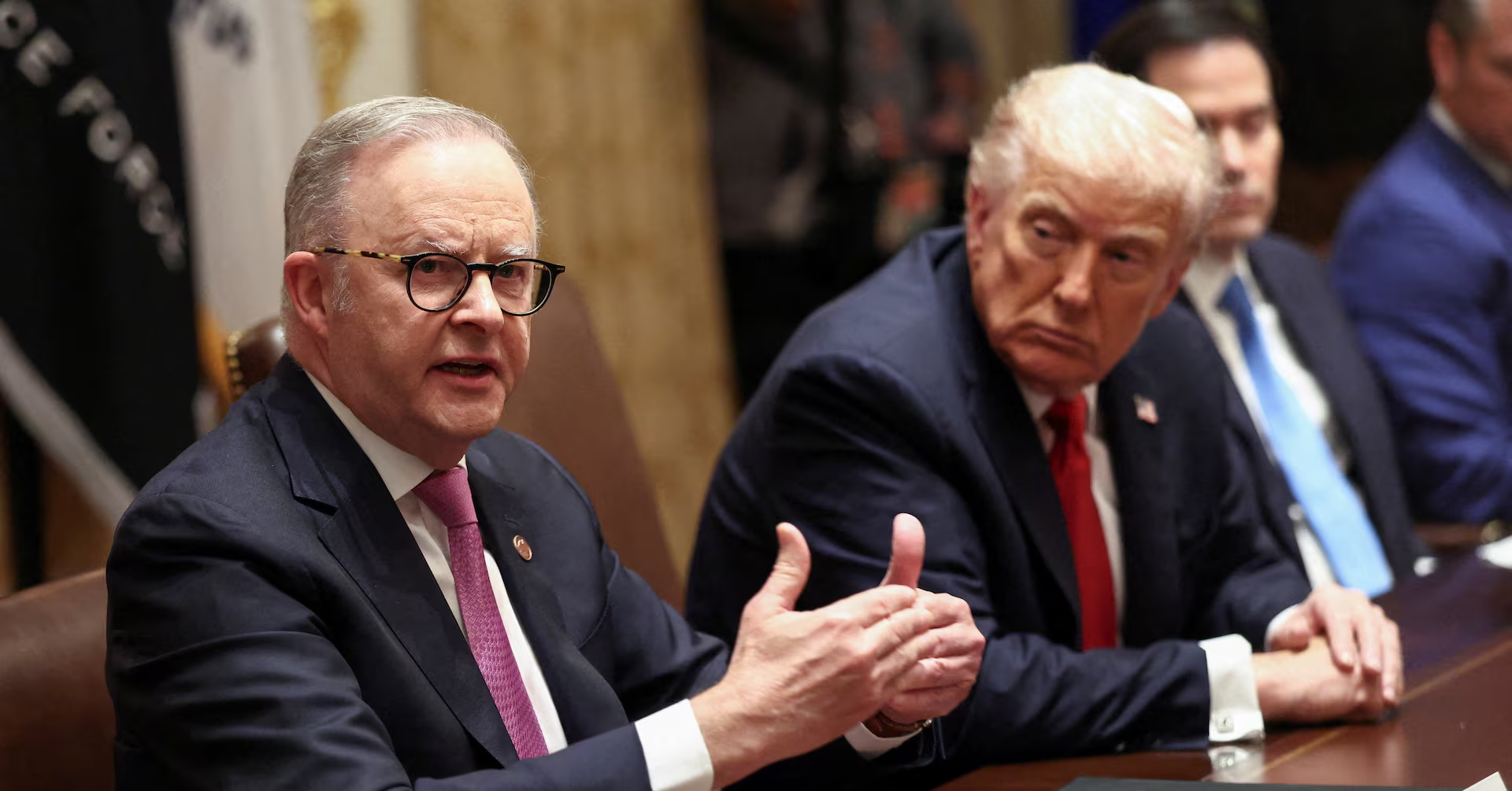
On October 20, 2025, Prime Minister Albanese met President Trump at the White House during a visit focused on a new U.S.–Australia critical-minerals agreement. The deal aims to secure vital resources used in clean-energy and defense technologies.
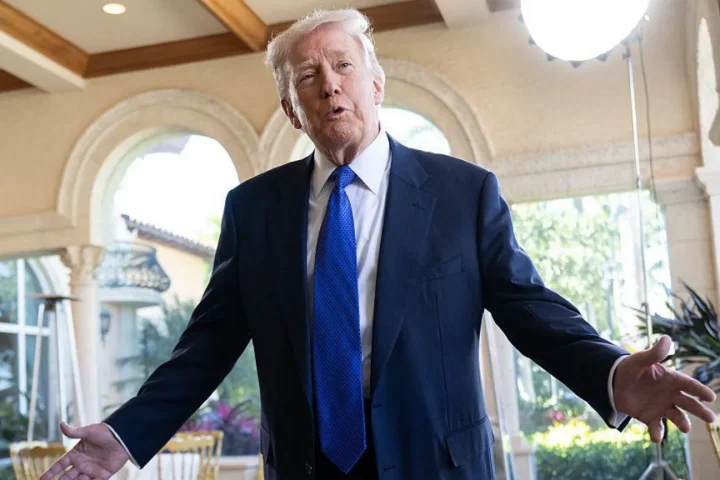
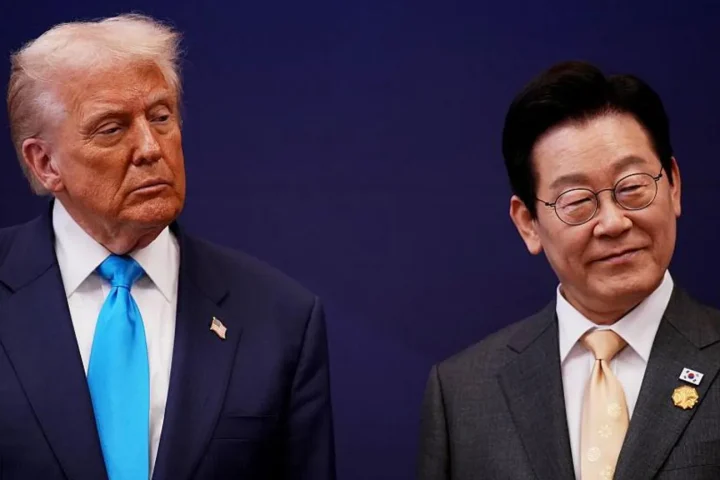
During the high-profile meeting, Trump noticed Ambassador Rudd in the room and appeared visibly surprised. “Where is he? Is he still working for you?” Trump asked, referring to Rudd’s earlier harsh criticism of his presidency.
Rudd, a former Australian prime minister, acknowledged that he had previously made strong comments about Trump, once calling him “the most destructive president in history.” Trump immediately replied, “I don’t like you either, and I probably never will.” The exchange caused awkward laughter among officials.
Witnesses later said Rudd leaned forward and apologized for his past remarks. Trump accepted the apology with a brief, “All is forgiven.” The encounter, though tense, ended on a civil note.
Albanese, speaking to reporters afterward, dismissed the exchange as light-hearted. He said the overall meeting went “extremely well” and praised Rudd’s performance, calling him a “fantastic ambassador doing a very tough job.”
Albanese’s Backing of Rudd
Back in Australia, Albanese offered firm support for Rudd, emphasizing his ambassador’s tireless work in Washington. “If there’s a harder-working ambassador on Capitol Hill, then please let me know,” he said at a breakfast event in Washington. “Kevin works his guts out for Australia.”
The prime minister also rejected calls from opposition leaders who claimed Rudd’s position had become untenable after Trump’s comments. “Kevin Rudd is doing a fantastic job,” Albanese said. “Every person we met in Washington praised him for his professionalism and dedication.”
By defending Rudd so clearly, Albanese signaled that his government values continuity in diplomacy and will not be swayed by personality clashes or momentary embarrassment.
Domestic Political Fallout
The confrontation sparked immediate political reactions in Australia. Opposition leader Sussan Ley initially called for Rudd’s dismissal, arguing that being publicly told “I don’t like you” by the U.S. president damaged Australia’s diplomatic image.
However, within 24 hours, Ley softened her stance. She acknowledged that the broader success of the Washington visit—including the minerals deal—showed that Rudd’s work had helped deliver strong results for Australia.
Commentators described the moment as awkward but largely harmless. Political analysts noted that Albanese handled the situation well by shifting focus toward the achievements of the visit rather than allowing one uncomfortable moment to dominate the headlines.
Former prime minister Malcolm Turnbull also defended Rudd, saying that both Albanese and Rudd “should be very pleased” with how the visit strengthened Australia’s relationship with the U.S. He urged observers not to let one exchange overshadow the broader diplomatic success.
Why This Moment Matters
1. Strategic Diplomacy
The Trump–Rudd incident occurred during a visit built around two major initiatives—the AUKUS defense partnership and the critical-minerals deal. Despite the tension, Albanese completed both objectives. His ability to stay focused demonstrated that his government prioritizes long-term national interests over short-term embarrassment.
2. Ambassadors as Political Figures
Rudd’s presence as a former prime minister gives him unusual prominence as a diplomat. His earlier criticism of Trump raised the risk of confrontation. Yet Albanese’s choice to retain him reflects a calculated decision: Washington respects experienced figures who understand global strategy, and Rudd fits that mold.
3. U.S.–Australia Relations
The brief clash could have been seen as a strain in the alliance, but Albanese quickly moved to restore calm. His words made it clear that Australia continues to trust its ambassador and values the strong relationship with Washington. The U.S. visit ultimately reinforced, rather than weakened, cooperation between the two countries.
4. Domestic Messaging
At home, Albanese’s reaction also served a political purpose. It showed he would not let foreign leaders dictate internal appointments or undermine his authority. By standing by Rudd, Albanese projected steadiness and confidence—key qualities for a leader managing sensitive global relations.
What Albanese Achieved
Damage Control: Albanese neutralized a potential diplomatic embarrassment by swiftly reframing the moment as humorous.
Alliance Focus: He redirected public attention to the outcomes of the trip—especially the economic and defense agreements—rather than the brief personal clash.
Continuity in Diplomacy: Keeping Rudd in place preserves established communication channels in Washington and demonstrates that Australia values long-term engagement over temporary drama.
Domestic Strength: The firm support for Rudd signaled that Albanese would defend his government’s choices and maintain independence in foreign-policy decisions.
Potential Risks
While Albanese’s approach appears effective, some challenges remain.
Perception of Weakness: Critics worry that the incident might make Australia appear submissive before a forceful U.S. president. However, others argue that laughter in the room signaled mutual understanding, not humiliation.
Rudd’s Past Remarks: His earlier criticisms of Trump may resurface if tensions grow. Maintaining professional respect will require diplomatic finesse.
Overreliance on Personalities: Much of Australia’s success in Washington depends on personal relationships. Changes in U.S. leadership or shifting political moods could test that stability.
Opposition Pressure: The opposition’s shifting position—from calling for Rudd’s dismissal to withdrawing it—suggests potential political point-scoring. Future missteps could reignite controversy.
Looking Ahead
Observers will be watching several developments:
- Rudd’s Tenure: Will he complete his term as ambassador and manage relations smoothly if the U.S. political landscape changes again?
- Implementation of Agreements: The next test lies in turning signed deals into tangible projects—building mineral supply chains, advancing AUKUS submarine production, and ensuring congressional approval.
- Diplomatic Strategy: Canberra must decide whether to continue emphasizing strategic independence and resilience, especially regarding China, or to focus more narrowly on trade.
- U.S. Political Climate: With American politics often volatile, Australia’s diplomacy must remain steady amid shifting U.S. priorities.
In Summary
A sharp exchange between President Trump and Ambassador Rudd could have derailed Australia’s high-stakes visit to Washington. Instead, Prime Minister Albanese turned it into a minor footnote. By standing firmly behind Rudd, he sent a clear message: Australia will not let personal friction overshadow strategic partnership.
Albanese’s leadership transformed what might have been a diplomatic embarrassment into proof of composure and confidence. The visit ended with new agreements on defense and minerals—evidence that strong alliances matter more than strong words.
In diplomacy, moments of tension are inevitable. What defines success is how leaders respond. Albanese’s quick, measured handling of the Trump–Rudd episode reinforced that Australia remains a stable and respected partner on the global stage.
Over time, Rudd’s continued work in Washington may speak louder than any past remarks. If the new agreements deliver real benefits, the brief verbal clash will fade into history—remembered only as a small test of Australia’s resilience and diplomatic maturity.