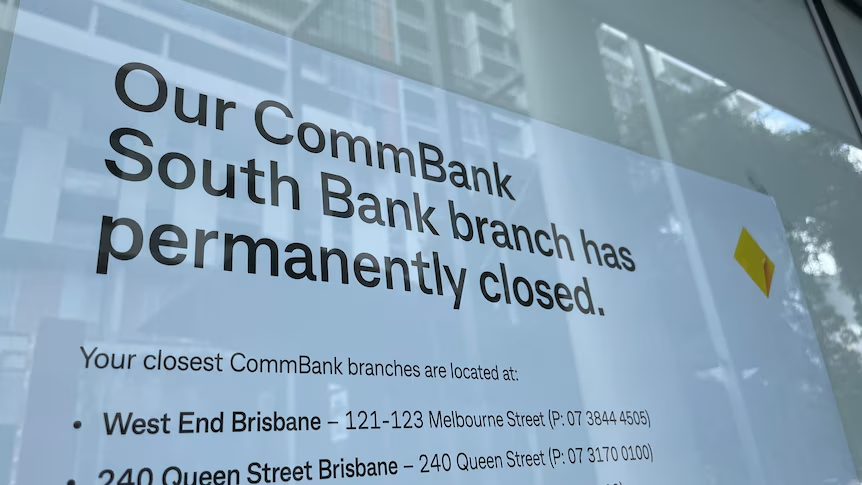
Australia’s banking sector is undergoing a profound transformation, characterized by the rapid decline of physical bank branches and ATMs. Over the past five years, the nation has witnessed the closure of over 1,500 bank branches, with 155 additional closures reported in the 2024–2025 financial year alone. This trend reflects a significant shift towards digital banking, but it also raises concerns about accessibility for certain segments of the population.
The Digital Banking Surge
The primary driver behind the closure of bank branches and ATMs is the increasing adoption of digital banking. According to the Australian Prudential Regulation Authority (APRA), physical branch interactions now account for less than 1% of all bank interactions. The Australian Banking Association (ABA) reported a 51% decline in branch usage over the past five years, with digital banking log-ins reaching nearly 17 billion annually. This shift is further evidenced by the rapid growth of digital wallet adoption, with transaction values expected to grow 20.8% to $132.9 billion in 2025.
Regional Areas and Government Intervention
While urban centers have experienced the brunt of branch closures, regional areas have also been affected. In response to concerns about the impact on rural communities, the federal government has imposed a moratorium on branch closures until the end of July 2027 for the Big Four banks. This measure aims to ensure that essential banking services remain available in regional areas. Additionally, an alliance representing regional banks has proposed a $153 million plan to keep branches open, highlighting the need for sustainable solutions to maintain access to banking services in these communities.
The Cash Debate
Despite the surge in digital banking, cash remains an essential payment method for many Australians, particularly older individuals and those in remote areas. The decline in the number of ATMs and bank branches has raised concerns about the accessibility of cash. In response, the federal government has released an exposure draft of regulations to mandate cash acceptance for essential goods and services, with consultation closing on 31 October 2025. This initiative aims to ensure that all Australians can access cash when needed.
The Future of Banking in Australia
The ongoing transformation of Australia’s banking sector presents both opportunities and challenges. While digital banking offers convenience and efficiency, it is crucial to ensure that all Australians have equitable access to banking services. The government’s initiatives, such as the moratorium on branch closures and the proposed cash acceptance mandate, are steps in the right direction. However, continuous dialogue between banks, regulators, and communities will be essential to navigate the evolving landscape and address the needs of all Australians.
Conclusion
Australia’s banking sector is at a crossroads, balancing the benefits of digital innovation with the need for inclusive and accessible services. As the nation continues to embrace digital banking, it is imperative to consider the diverse needs of the population and implement measures that ensure equitable access to financial services. The future of banking in Australia will depend on the ability to adapt to technological advancements while maintaining a commitment to inclusivity and accessibility.