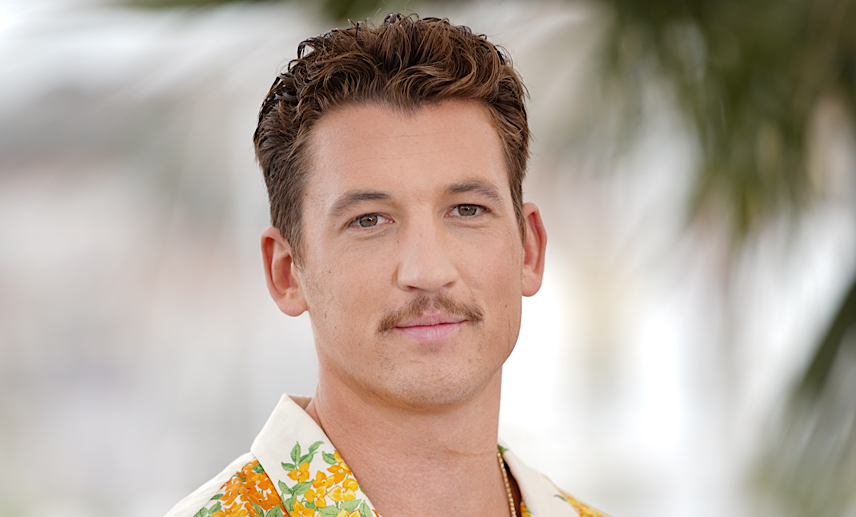
Miles Teller has opened up about the lasting impact of a controversial 2015 magazine profile that he says fundamentally changed his relationship with the media and nearly damaged his Hollywood career trajectory.
The actor, now widely recognised for roles in films including Top Gun: Maverick, reflected on the fallout during a recent interview with IndieWire while promoting his latest project at the Cannes Film Festival.
Read Also: Katharine Towne Net Worth, Career, and Personal Life: A Hollywood Legacy with a Focus on Privacy
Teller said the experience left him deeply distrustful of traditional editorial interviews after he felt his comments were misrepresented in a widely discussed 2015 profile published by Esquire.
The 2015 Profile That Sparked Backlash
At the time of the original interview, Miles Teller was emerging as one of Hollywood’s fastest-rising young actors following performances in films such as:
- Whiplash
- The Spectacular Now
- Divergent
However, the Esquire profile generated widespread online criticism after portraying Teller as arrogant and difficult, with one widely circulated description labeling him “kind of a d**k.”
The article quickly shaped public perception of the actor during a critical stage of his career.
Teller Says Interview Was “Mishandled”
Speaking more than a decade later, Teller claimed the profile did not accurately reflect the actual conversation that took place.
According to the actor, the experience made him realize how vulnerable public figures can be during print interviews where context, tone, and sequencing can be heavily influenced during editing.
Teller said:
“That was so mishandled.”
He explained that the experience caused him to largely avoid long-form editorial profiles afterward because of fears that comments could be:
- Misquoted
- Rearranged
- Taken out of context
- Framed negatively
The actor described the article as feeling like:
“Such a violation of what actually transpired.”
Media Distrust Changed His Press Strategy
Miles Teller said the incident permanently changed how he approaches publicity and interviews.
He explained that after reading the final article, he no longer recognized his own voice within the published version of the conversation.
That realization reportedly led him to become significantly more cautious with media appearances that are not recorded on camera.
Teller suggested video interviews provide greater accountability because viewers can directly observe context and tone instead of relying solely on written interpretation.
Read Also: Ann Blyth Net Worth, Career, and Personal Life: A Hollywood Star with a Lasting Legacy
Hollywood Reputation Management in the Social Media Era
The incident reflects the increasingly fragile relationship between celebrities, media coverage, and online public opinion.
In the modern entertainment industry, viral headlines and social media reactions can rapidly shape public narratives around actors and entertainers.
For emerging stars especially, negative press coverage can influence:
- Casting opportunities
- Brand partnerships
- Audience perception
- Industry relationships
Teller implied that the 2015 article nearly disrupted his momentum during a particularly important stage of his Hollywood rise.
Teller Says Negativity Drives Attention
During the interview, Teller also criticized the broader media environment that often rewards controversy and negativity.
He suggested that positive stories about celebrities generally receive less public attention than conflict-driven narratives.
According to Teller:
“People want to click on the negativity.”
The actor contrasted public media perception with private personal conduct, saying genuine character matters more than internet narratives or headlines.
Career Continued Despite Early Controversy
Despite the backlash surrounding the 2015 profile, Miles Teller ultimately continued building a successful Hollywood career.
His later filmography includes major projects such as:
- Top Gun: Maverick
- Spiderhead
- War Dogs
His performance alongside Tom Cruise in Top Gun: Maverick significantly elevated his mainstream visibility and helped reshape public perception.
Read Also: Samara Weaving Net Worth, Career Growth, and Hollywood Rise
Co-Stars Continued Supporting Teller
Teller noted that people who worked with him professionally often judged him based on personal interactions rather than media portrayals.
That distinction, he suggested, helped protect his reputation within Hollywood even as online criticism intensified following the original article.
The entertainment industry frequently places heavy weight on:
- On-set professionalism
- Reliability
- Collaboration
- Work ethic
Teller implied those relationships mattered more than public controversy.
Read Also: Trump Arrives in Beijing With Billionaire CEOs for High-Stakes Xi Summit
Hollywood Increasingly Prefers Controlled Media Environments
The actor’s comments also reflect a broader shift in celebrity media strategy.
Many modern actors increasingly prefer:
- Video interviews
- Podcasts
- Controlled digital platforms
- Social media communication
over traditional print journalism.
The rise of direct-to-audience communication allows celebrities greater control over:
- Tone
- Context
- Messaging
- Narrative framing
The change has transformed entertainment journalism across the industry.
Cannes Appearance Revives Conversation
Teller’s latest comments emerged during promotion for the upcoming film:
- Paper Tiger
at the Cannes Film Festival.
Actor Adam Driver also appeared alongside Teller during festival discussions, praising his co-star publicly.
The renewed attention surrounding the old controversy highlights how long celebrity media narratives can persist online even years later.
Celebrity Profiles Remain Powerful Career Influencers
Long-form celebrity profiles have historically played a major role in shaping public images within Hollywood.
However, the Teller situation illustrates the tension that can emerge when subjects feel portrayed unfairly or sensationally.
The entertainment media landscape increasingly operates within an environment where:
- Headlines spread instantly
- Social media amplifies controversy
- Public reactions escalate rapidly
As a result, many celebrities have become far more selective about interview formats and publication access.
Final Thoughts
Miles Teller’s reflections on the fallout from his controversial 2015 interview highlight the complex relationship between celebrity image, journalism, and internet-driven public perception.
While the actor ultimately rebuilt his public reputation through successful film roles and industry credibility, the experience clearly left a lasting impact on how he approaches media engagement.
In an era where a single article can shape years of online narrative, Teller’s comments underscore the growing caution many public figures now bring to traditional press interviews.