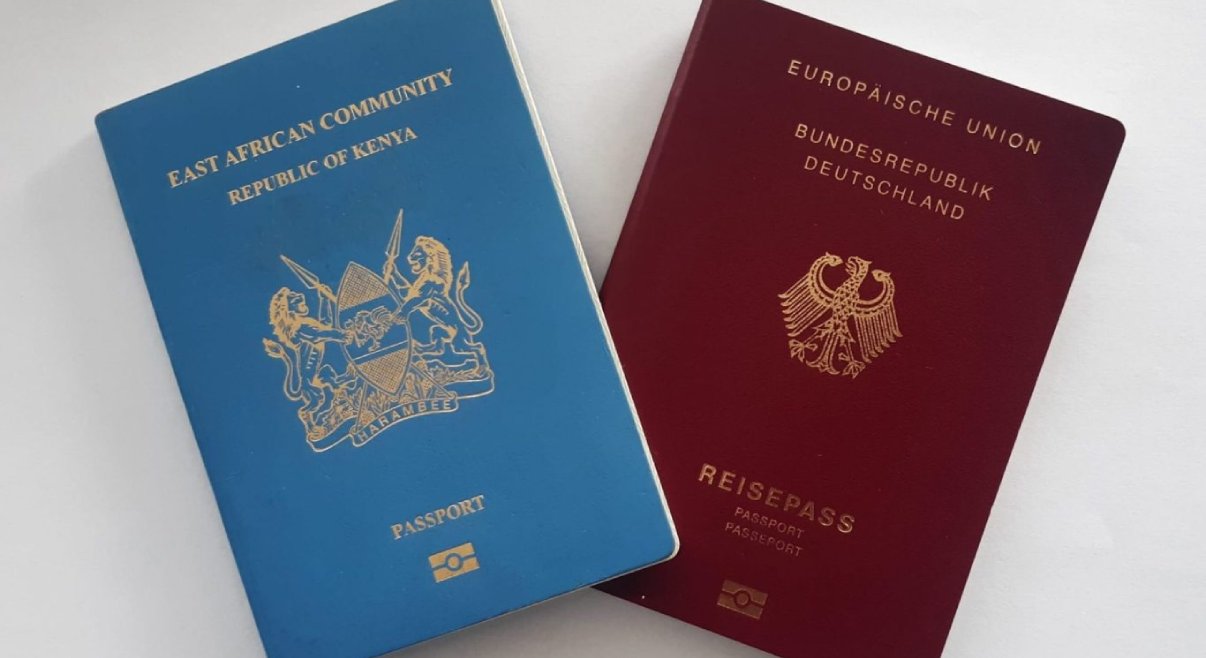
A complete guide to dual citizenship, how it works, who qualifies, and how immigrants navigate the journey toward holding two nationalities.
The path to dual citizenship and immigration journeys is becoming more common in 2025 as more people relocate for work, education, safety, or family. Dual citizenship allows an individual to become a legal citizen of two countries at the same time, enjoying rights and responsibilities in both. For many immigrants, it represents stability, identity, opportunity, and freedom.
However, the road toward holding two passports can be long, complex, and filled with legal requirements. This guide explores how dual citizenship works, who qualifies, its benefits, its challenges, and how immigrants can navigate the process with confidence.
What Is Dual Citizenship?
Dual citizenship—also called dual nationality—means a person is legally recognized as a citizen of two different countries at the same time. This status allows them to live, work, vote, access services, and enjoy rights in both countries. Not all nations allow it, but many have adopted more flexible policies in recent years.
How dual citizenship is acquired
- By birth: Born in a country that grants citizenship by birth (jus soli) to parents from another country.
- By descent: Inheriting citizenship through parents or grandparents (jus sanguinis).
- By naturalization: Immigrants who meet residency and legal requirements.
- By marriage: Some countries grant citizenship faster to spouses of citizens.
- By investment: Wealth-based citizenship programs like those in the Caribbean.
Why Immigrants Pursue Dual Citizenship
Dual citizenship has become highly attractive for immigrants for several reasons. First, it offers long-term security. Second, it gives access to two sets of opportunities. And third, it helps maintain cultural and family ties.
Key benefits include:
- Freedom of travel: Visa-free access to more countries.
- Employment opportunities: Ability to work without permits.
- Education access: Local-tuition rates and scholarships.
- Property ownership: Some nations restrict buying property to citizens only.
- Political rights: Voting and participation in public life.
- Family stability: Easier sponsorship for relatives.
Who Qualifies for Dual Citizenship?
Eligibility depends on the laws of both involved countries. Some countries fully allow dual citizenship, while others restrict or forbid it.
Common qualification pathways:
- Residency and naturalization: Living in a country for 3–10 years.
- Cultural integration: Language tests, civic education, or interviews.
- Family lineage: Parents or grandparents born in the country.
- Marriage: Marriage to a citizen may shorten the process.
- Investment: Meeting the financial requirements of investment programs.
The Immigration Journey Toward Dual Citizenship
The process of becoming a dual citizen usually takes place in stages. Each step requires patience, documentation, and in some cases, professional help.
Typical steps include:
- Securing legal residency: Arriving as a worker, student, investor, or refugee.
- Meeting residency requirements: Usually 3–5 years of living in the country.
- Applying for permanent residency: A long-term right to stay.
- Naturalization: Citizenship through application and approval.
- Maintaining both passports: Following each country’s rules.
Challenges Immigrants Face
Dual citizenship is not always simple. Immigrants often face obstacles that require planning and support.
- Restrictions: Countries like China or India do not allow full dual citizenship.
- Taxes: Some nations tax citizens even if they live abroad (e.g., the U.S.).
- Military service: A few countries require citizens to serve.
- Legal conflicts: Different laws may affect inheritance, marriage, or property.
- Renunciation pressure: Some countries require giving up original citizenship.
Is Dual Citizenship Worth It?
For many immigrants, the advantages outweigh the challenges. Dual citizenship offers security, identity protection, economic freedom, and the ability to move between countries without restriction. It also provides stability for families and future generations.
Tips for a Successful Dual Citizenship Journey
- Research both countries’ citizenship laws.
- Keep copies of all documents, including birth certificates and passports.
- Maintain legal residency and follow visa rules.
- Learn the language if required.
- Consult an immigration lawyer if unsure.
FAQs: Dual Citizenship
Is dual citizenship legal everywhere?
No. Some countries fully allow it, some restrict it, and others do not permit it at all. Does dual citizenship make travel easier?
Yes. Dual citizens often enjoy visa-free travel to more countries. Can I lose one citizenship by gaining another?
It depends on each country’s laws. Some require renunciation. Can my children also get dual citizenship?
Often yes, especially if born after you obtain it or through descent laws.
Editor’s note: Citizenship laws change often. Always check official government websites for recent updates.