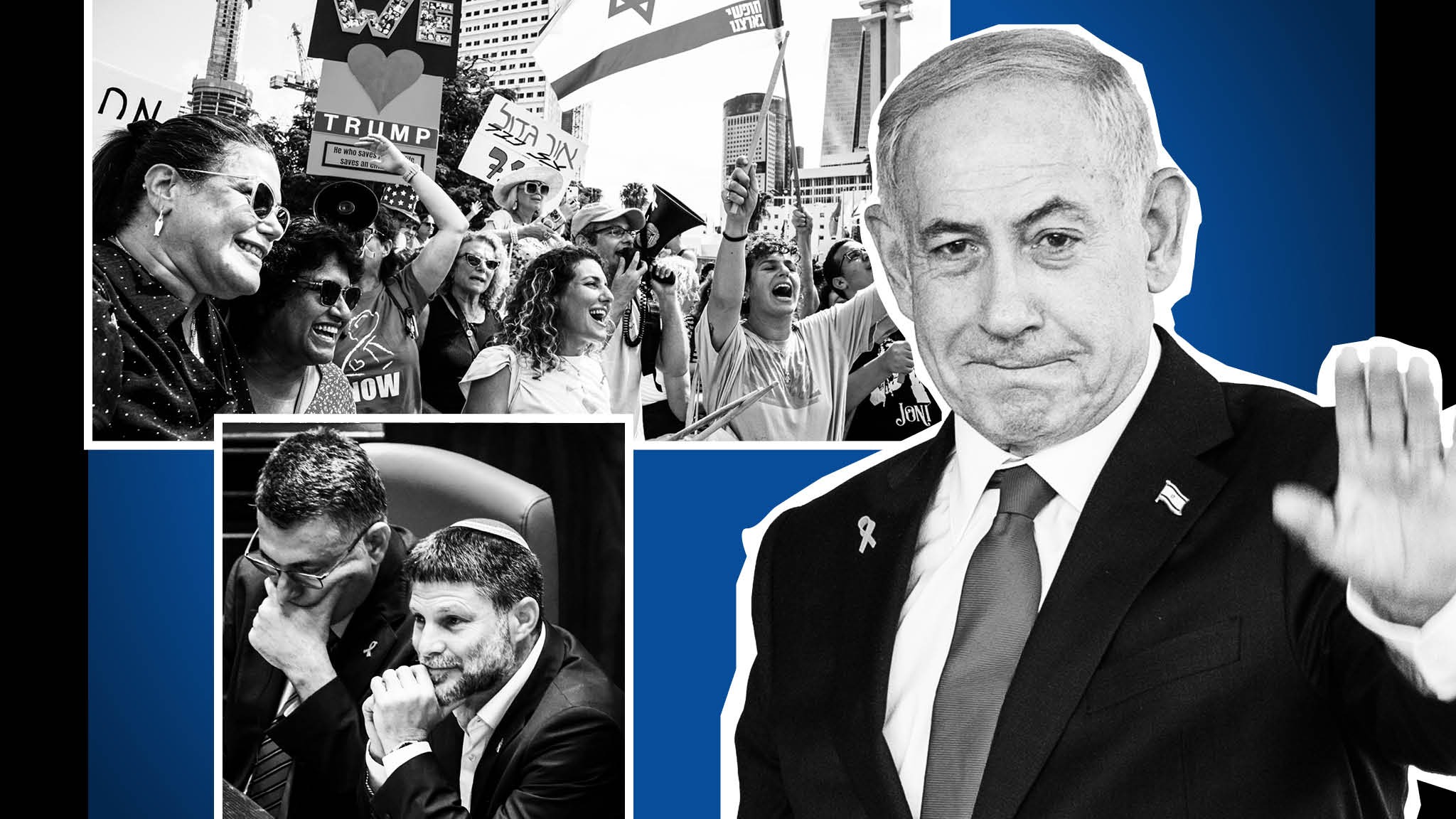
To understand where the new peace deal leaves Israeli Prime Minister Benjamin Netanyahu, it’s important to examine its background and implications. The U.S.-brokered agreement — pushed heavily by former President Donald Trump — seeks to end ongoing hostilities between Israel and Hamas.
The Deal’s Core Elements
The peace plan centers on a phased ceasefire and the release of Israeli hostages, both living and deceased, in exchange for numerous Palestinian prisoners. Israeli forces would partially withdraw from Gaza during the first stage.
It also includes proposals for Hamas’s demilitarization, Gaza’s reconstruction, international monitoring, and potential involvement of the Palestinian Authority in governing Gaza’s future.
This marks a turning point from a military-first strategy to one focused on diplomacy, humanitarian relief, and global engagement.
What Netanyahu Gains
Political Relief and Symbolic Victory
Bringing hostages home carries deep emotional weight in Israeli society. The families of captives form a powerful constituency, and their relief translates into political capital. Netanyahu can now claim to have delivered a long-awaited outcome that blends force and negotiation, bolstering his image as Israel’s ultimate security guardian.
The Prime Minister is portraying the deal as proof that “military pressure” achieved diplomatic progress. This balanced message may satisfy both hawks and moderates: one side sees deterrence restored; the other sees compassion and pragmatism.
Diplomatic and International Leverage
The deal has strong backing from Washington, giving Netanyahu a renewed sense of international legitimacy. Support from the U.S. shields him from growing criticism abroad and may revive his pursuit of regional normalization, particularly with Saudi Arabia and other Arab nations.
Peace, even a partial one, helps remove a major obstacle to those talks. If normalization advances, Netanyahu could claim a historic regional breakthrough.
Domestic Breathing Space
After nearly a year of relentless conflict, Israelis are weary. The deal offers respite — fewer casualties, reduced economic strain, and temporary calm. The Israeli Defense Forces also gain a chance to regroup and resupply.
By pausing combat, Netanyahu can redirect public attention from past security lapses toward his leadership’s successes. With elections on the horizon, this reprieve could help him stabilize his position.
What Netanyahu Risks
Coalition Turbulence
Netanyahu governs with an uneasy coalition of far-right parties led by figures like Bezalel Smotrich and Itamar Ben-Gvir. These allies view any deal that leaves Hamas standing as betrayal. Several have already called it an act of surrender.
If they withdraw support, Netanyahu could lose his parliamentary majority, forcing a government collapse or early elections. Managing these tensions requires constant negotiation and concessions that may weaken his authority.
Ideological Dilemmas
The deal’s clauses about Palestinian Authority involvement and international oversight clash with Netanyahu’s long-held resistance to Palestinian statehood. Hardliners in his base may see this as an ideological retreat.
Critics also argue that if Hamas survives politically, Netanyahu cannot claim victory. His brand has always rested on a promise of uncompromising security — anything less risks tarnishing that image.
Security Ambiguities
Despite the ceasefire, security questions remain. What exactly counts as a “withdrawal”? Who enforces demilitarization? Netanyahu insists Israel will never compromise its defensive capabilities, but vague terms could breed future disputes.
If his generals or the public perceive the deal as endangering deterrence, pressure could mount for renewed action, undermining the entire process.
Public and International Expectations
Domestic Accountability
While many Israelis welcome an end to the fighting, others feel the cost has been too high. If peace unravels or Hamas re-emerges, Netanyahu could face public anger.
Calls for accountability over intelligence failures before October 7, 2023, remain strong. A period of calm might renew demands for independent inquiries into how the attacks happened under his watch.
Global Scrutiny
International partners expect Israel to comply fully with humanitarian provisions: troop withdrawals, prisoner exchanges, and aid delivery. Any delay or violation could provoke global criticism and erode the goodwill generated by the deal.
Western governments, particularly the U.S. and EU, may tie future aid or diplomatic backing to Israel’s behavior during implementation. Netanyahu must tread carefully to maintain external support.
Netanyahu’s Balancing Act
Netanyahu is walking a political tightrope. To survive, he must:
- Maximize the deal’s gains by showcasing Israel’s moral and diplomatic strength.
- Control internal dissent to keep his coalition intact.
- Defend Israel’s security interests while honoring international commitments.
- Shape public perception, portraying the deal as a calculated, temporary phase rather than full capitulation.
He has already described the accord as a “critical turning point” — not an end to the conflict, but a strategic pause that allows Israel to consolidate its position.
The Uncertainties Ahead
Implementation Challenges
Both sides must now fulfill difficult obligations. Hamas must release all hostages and relinquish control over Gaza’s governance. Israel must execute troop withdrawals and ease humanitarian restrictions, despite resistance from within.
Delays or defiance on either side could collapse the fragile ceasefire. Netanyahu’s ability to enforce compliance while maintaining political stability will define his success.
Temporary Truce or Lasting Peace?
Much of the deal relies on conditional, phased measures. If extremists on either side undermine implementation, the agreement could unravel quickly. A sustainable peace requires trust, enforcement, and economic reconstruction — all of which demand time and coordination.
International Mediation and Regional Pressures
The U.S., Egypt, Qatar, and the UN all play roles in monitoring and funding post-war rebuilding. Any reduction in commitment or funding could destabilize progress.
Meanwhile, Arab states will likely push for broader moves toward Palestinian statehood. That pressure may force Netanyahu into choices that strain his coalition further.
Electoral and Legal Calculations
Netanyahu may hope the deal boosts his approval ratings ahead of the next election, expected by 2026. But if public opinion turns or if the ceasefire fails, it could backfire spectacularly.
He also faces legal scrutiny over corruption cases and political accountability for wartime decisions. A renewed opposition surge could exploit any perceived weakness.
Netanyahu’s Legacy at Stake
How Netanyahu navigates this peace deal will define his legacy. Several outcomes are possible:
- Successful stabilization: If violence subsides and normalization expands, Netanyahu will claim vindication as the leader who balanced strength and diplomacy.
- Collapse of the deal: Renewed conflict or political chaos would brand him as the prime minister who traded military victory for a fragile illusion of peace.
- Loss of power: A coalition breakup or early election defeat would mark the end of his long political dominance.
His decisions now intertwine national security with personal survival. Every concession or misstep will carry both political and historical consequences.
Bottom Line
The peace deal gives Netanyahu breathing room — a diplomatic lifeline amid domestic turmoil — but it also deepens his vulnerability.
He stands at a crossroads: either consolidate his reputation as Israel’s pragmatic defender or risk being remembered as the leader who compromised too much, too late.
Whether this moment becomes his redemption or downfall depends not only on the ceasefire’s durability but also on his ability to hold a fractured nation together.