In a historic first for Australia, Victoria has passed legislation to establish a formal treaty with its Indigenous traditional owners. The milestone marks a turning point in the nation’s relationship with First Peoples, advancing truth-telling, accountability, and shared decision-making.
What the Bill Means
The Statewide Treaty Bill lays the legal foundation for negotiations between the Victorian Government and the First Peoples of Victoria. It also ensures Indigenous voices remain central throughout the process.
The law establishes the First Peoples’ Assembly of Victoria, a representative body that will negotiate directly with the government. It also creates Gellung Warl, a new statutory institution—meaning “tip of the spear” in Gunaikurnai—that will oversee governance, funding, and long-term implementation.
Two additional mechanisms will strengthen the framework:
- A truth-telling body to continue the legacy of the Yoorrook Justice Commission.
- An accountability commission to monitor government promises and ensure they are fulfilled.
Together, these institutions guarantee Indigenous leadership in shaping policies and services across health, education, housing, and justice.
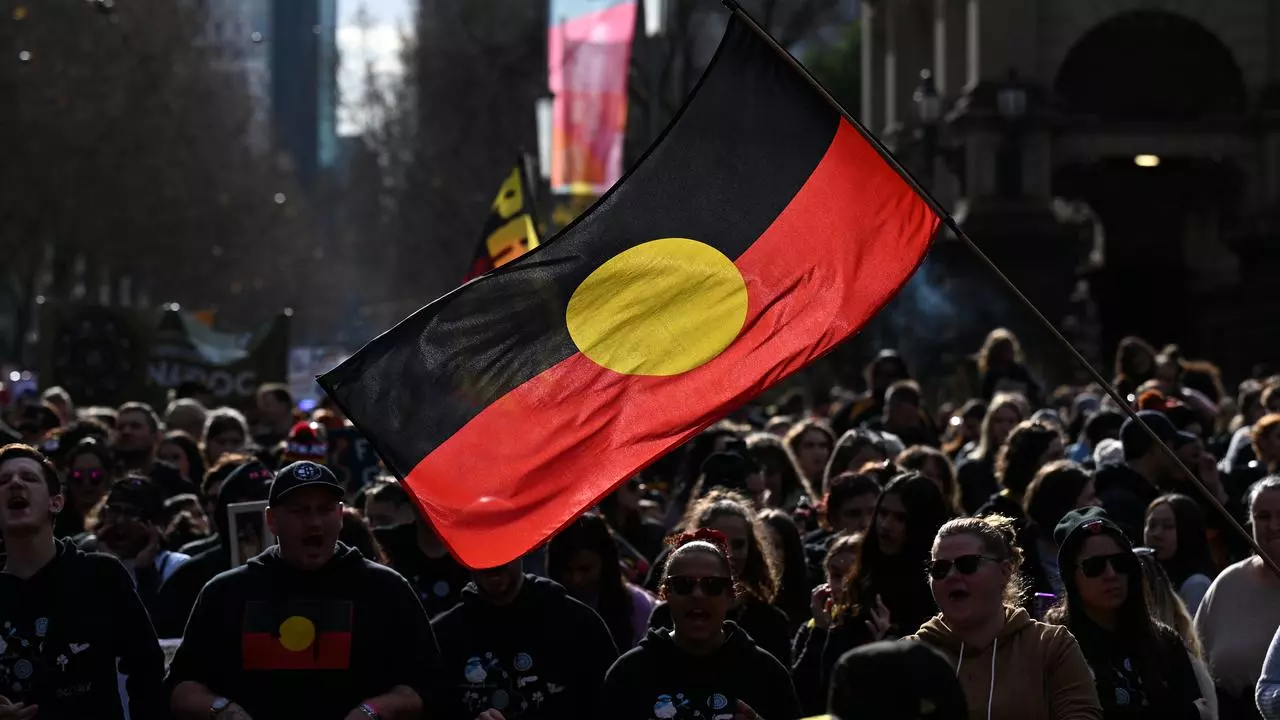
The bill passed Victoria’s upper house on 30 October 2025 by a vote of 21 to 16. As the chamber erupted in applause, Aboriginal and Torres Strait Islander flags were raised in celebration—a moment many described as emotional and long overdue.
Premier Jacinta Allan called the bill “the culmination of nearly a decade of work,” acknowledging years of advocacy by Indigenous communities and the First Peoples’ Assembly.
Why It Matters
Victoria’s treaty legislation represents a decisive step toward reconciliation and empowerment.
It stands as Australia’s first formal treaty of its kind, positioning Victoria as a pioneer in Indigenous rights and recognition.
It also rebalances power. Instead of the government making policies for Indigenous people, both sides now share authority in decisions that affect their lives. Co-Chair Ngarra Murray said, “Treaty marks the beginning of a new era—one where 60,000 years of knowledge and culture are respected and celebrated.”
The bill embeds truth-telling and accountability as legal principles. True reconciliation requires open acknowledgment of historical injustices and firm systems to ensure governments act on their commitments.
Finally, the move could inspire other states and territories to adopt similar frameworks, creating a ripple effect across the nation.
Next Steps
With the bill approved, Victoria will now begin several implementation phases.
After the Governor’s Royal Assent, the treaty will become law. Elections will then be held to appoint leaders to Gellung Warl and related bodies. The first negotiations are expected to start in July 2026.
In its early stages, the Assembly will focus on:
- Establishing a First Peoples Institute for leadership and skills training.
- Expanding the use of Indigenous place-names across Victoria.
- Building infrastructure for Aboriginal-led organisations.
- Integrating Indigenous perspectives into school curricula.
However, this law does not conclude local treaties. Individual Traditional Owner groups will conduct separate negotiations to ensure their priorities are respected.
Challenges and Criticisms
While widely celebrated, the treaty faces challenges.
Some leaders argue that legislation alone cannot undo centuries of dispossession. “Treaty acknowledges that Victoria was built on stolen land and charts a path forward—but it doesn’t erase the past,” one Indigenous advocate said.
Political resistance also lingers. The opposition party has pledged to repeal the treaty if elected in 2026, arguing it adds bureaucracy without improving outcomes for Aboriginal Victorians.
Practical hurdles remain as well. Implementing institutions, securing funding, and turning legal frameworks into real progress will take coordination and time. Questions also persist about how the treaty will align with federal laws and native title rights.
Australia remains one of the few Commonwealth nations without a federal treaty with its Indigenous peoples.
Historical Context
Victoria’s treaty movement has deep roots.
In 2018, the state passed the Advancing the Treaty Process with Aboriginal Victorians Act, establishing the First Peoples’ Assembly to design a negotiation framework.
The Yoorrook Justice Commission later documented historical injustices, laying vital groundwork for this treaty.
The movement also reflects national aspirations for Voice, Treaty, Truth—the three pillars of the Uluru Statement from the Heart. Although the 2023 referendum to constitutionally recognise a national Voice to Parliament failed, Victoria’s treaty offers a tangible path forward.
Why It Matters for All Victorians
This treaty is not only for Indigenous communities—it benefits all Victorians.
It creates a model for shared governance, where collaboration replaces top-down decision-making. It also invites all citizens to engage with the state’s true history, acknowledge past wrongs, and contribute to healing and respect.
The framework offers a practical route to reconciliation. “When one state takes such a bold step, it changes the national conversation,” one observer noted.
Success, however, depends on transparency and trust. If implemented effectively, the treaty could lead to real improvements in health, education, and economic participation for Indigenous communities.
Conclusion
Victoria’s treaty represents both a triumph and a challenge. It fulfils a long-standing call for justice while setting the stage for enduring change.
As Ngarra Murray reflected, “We will tell our children about today, and they will tell theirs—the story of how decades of Aboriginal resilience and activism led to Australia’s first treaty.”
This moment begins a new journey. Turning a legal milestone into lived reality will demand funding, cooperation, and genuine partnership.
For Australia, Victoria’s achievement shines as a beacon of progress—a reminder that reconciliation becomes possible when governments choose to listen, respect, and act.