The Shift in Warfare and Why It Matters
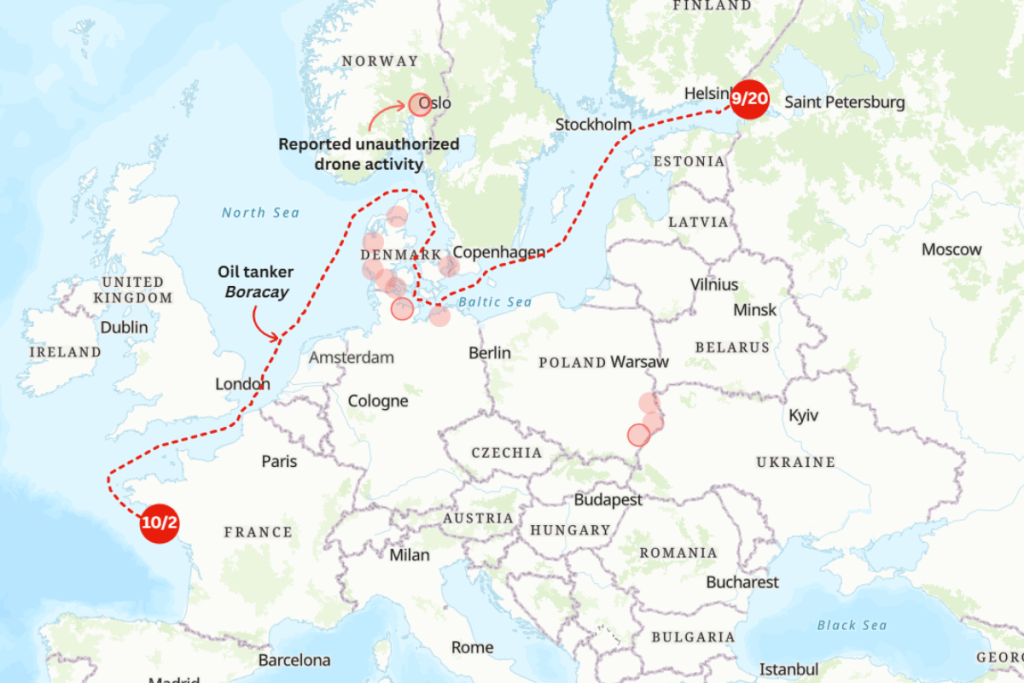
In recent years, warfare has rapidly expanded beyond tanks, ships, and air strikes. Across Europe and beyond, defence experts now describe this evolving environment as one of “hybrid warfare” or “non-kinetic conflict.” Instead of relying solely on physical force, nations now use cyberattacks, disinformation, economic coercion, and supply-chain disruption as powerful tools of aggression.
This new form of conflict allows state and non-state actors to gain strategic advantage while remaining below the threshold of declared war. They strike through digital networks, manipulate media narratives, and exploit critical infrastructure. Because these threats cross multiple domains — military, economic, social, and informational — the response must also be broad, flexible, and coordinated.
The EU’s Evolving Approach
The European Union (EU) has recognised that hybrid threats endanger not only military systems but also democratic institutions and societal resilience. Over the past few years, it has launched a series of initiatives aimed at tackling these multi-layered dangers.
Strategic Vision and Policy Frameworks
The EU’s policy papers describe hybrid warfare as a mix of tactics used by hostile actors to exploit vulnerabilities in democratic societies. In 2025, the EU updated its International Digital Strategy, putting stronger focus on cybersecurity, digital-infrastructure resilience, and protection against foreign-information manipulation. It also highlights the need for transparent algorithms and secure global supply chains.
Institutional Mechanisms and Resilience Building
One of the most significant developments has been the creation of the European Centre of Excellence for Countering Hybrid Threats (HCoE) in Helsinki. This centre connects governments, private companies, academia, and civil-society groups to analyse and counter hybrid threats. The emphasis is on resilience — strengthening transport, energy, and digital networks; improving media literacy; protecting elections; and coordinating defence and security efforts across all sectors.
Expanding Global Partnerships
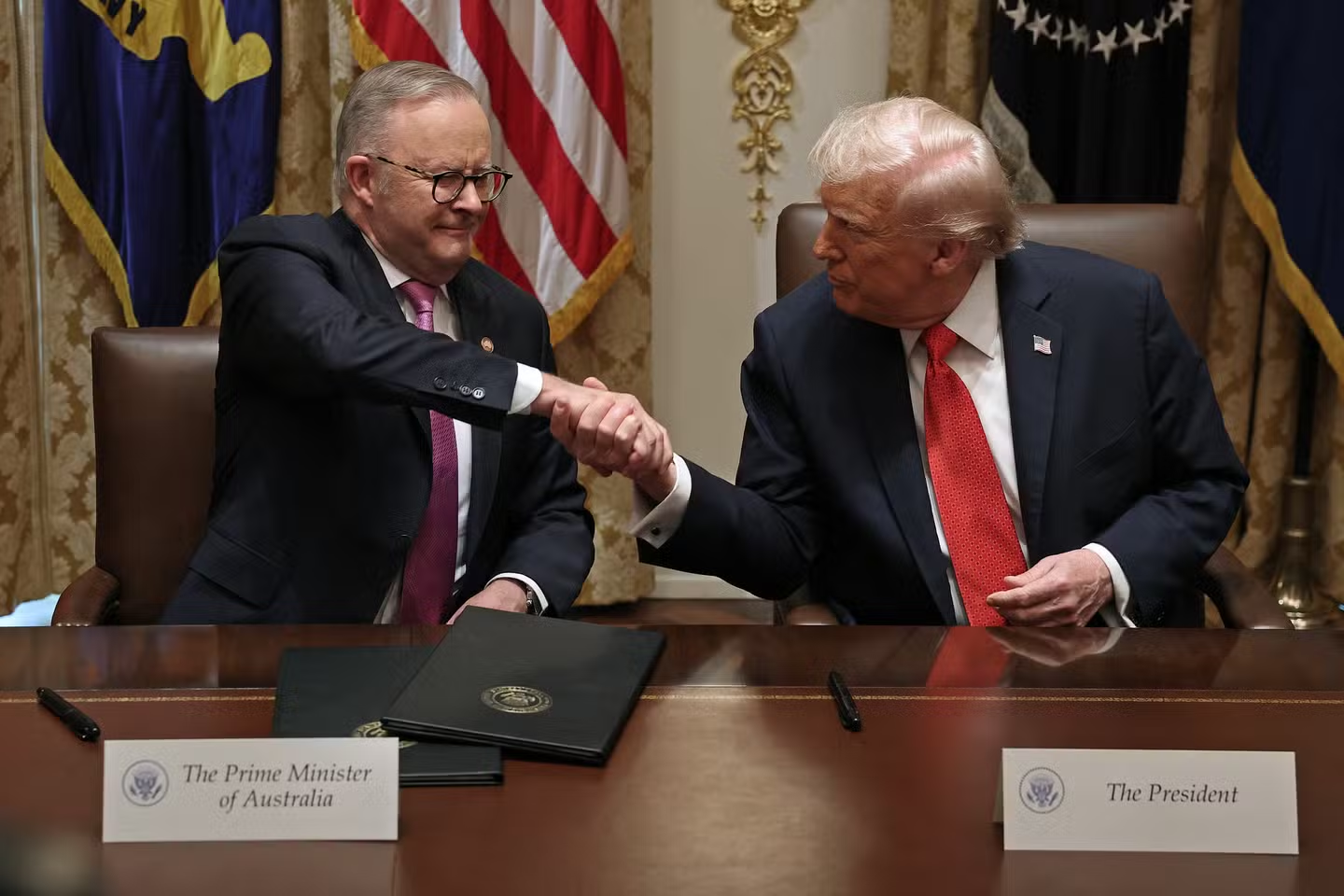
Recognising that hybrid threats are global, the EU is broadening its partnerships beyond Europe. Discussions with Australia and other Indo-Pacific countries reflect this outward-looking approach. Cooperation now extends to areas such as critical minerals, cyber defence, and information security.
NATO’s Response and Adaptation
While the EU focuses on policy and resilience, NATO — the North Atlantic Treaty Organization — is re-shaping its military and strategic posture to meet these modern challenges.
Recognising Hybrid Threats as Central
NATO’s 2022 Strategic Concept made it clear that Russia’s aggressive tactics go far beyond traditional warfare. Cyberattacks, sabotage, disinformation, and energy coercion are now part of the same spectrum of conflict. NATO has declared hybrid and cyber threats among the most direct dangers to its member states.
Broader Defence Posture
Although the alliance remains committed to traditional military strength, it now invests heavily in cyber capabilities, intelligence sharing, and infrastructure resilience. Member states have been urged to raise defence spending, ensuring readiness across both conventional and unconventional domains. Deterrence today means being able to respond quickly to everything from a missile strike to a cyber intrusion.
Civil-Military Coordination
Because hybrid warfare often blurs the line between civilian and military targets, NATO now integrates civil-emergency planning, media defence, and infrastructure protection into its strategy. Joint exercises simulate not just armed conflict, but also cyberattacks, disinformation campaigns, and assaults on energy grids. Cooperation with the EU has also deepened, especially in intelligence and resilience building.
A Global Security Network
NATO is no longer confined to the Euro-Atlantic space. It is strengthening ties with Australia, Japan, New Zealand, and South Korea to address shared risks related to critical-minerals supply, cyber resilience, and information operations. This global coordination reflects the reality that modern threats ignore regional borders.
Why the Indo-Pacific and Australia Should Pay Attention
Although much of this activity is centred in Europe, the implications reach far into the Indo-Pacific, especially for Australia. Modern supply chains, digital systems, and resource networks are deeply interconnected. A disruption in one region can quickly affect another.
Shared Vulnerabilities
Cyberattacks or supply-chain disruptions in Europe can ripple through global markets within hours. Because Australia is a close economic and strategic partner to Western democracies, it shares these vulnerabilities. Protecting national resilience now requires cooperation with allies across continents.
Deepening Strategic Ties
Australia is steadily strengthening partnerships with the EU and NATO — not only for traditional defence but also for critical-minerals trade, digital security, and cyber cooperation. The EU’s interest in the Indo-Pacific demonstrates recognition that democratic security now depends on collaboration between Europe and Asia.
Economic and Industrial Implications
Australia holds a unique advantage through its vast reserves of critical minerals such as lithium and rare earths. These materials are essential for renewable energy, defence technologies, and electronics. The shift towards hybrid warfare highlights the importance of supply-chain control and independence. As a result, Australia is encouraged to move beyond raw-material exports and invest in processing and refining to build strategic value.
Beyond the Battlefield
Defending against hybrid threats involves much more than military hardware. For Australia, it includes protecting infrastructure, enhancing cybersecurity, countering disinformation, and increasing public awareness. The goal is a “whole-of-nation” approach where government, industry, and citizens all play a part in national resilience.
Key Strategic Implications
Several major trends emerge from the EU and NATO response — each with lessons for Australia:
- Reducing Supply-Chain Dependence:
China currently dominates rare-earth processing and critical-mineral refining. Diversifying production is not just an economic goal but a national-security priority. - Building Resilience Across Systems:
True security depends on the ability to recover from disruptions — in power, transport, and communication systems — as much as on traditional deterrence. - Integrating Civil Society and Industry:
Hybrid threats target societies as a whole. Effective defence requires coordination across defence ministries, industries, academia, and the public. - Balancing Deterrence and Diplomacy:
Because hybrid aggression operates below the level of open war, nations must respond assertively without escalating conflict. - Investing for the Long Term:
Strengthening industrial capacity and digital infrastructure requires time and money. Australia’s moves to expand rare-earth refining and create strategic reserves show awareness of this challenge.
Looking Ahead: Key Trends to Watch
- Increased government funding for digital resilience and supply-chain protection.
- Expansion of global alliances linking Europe and the Indo-Pacific.
- Stronger public–private cooperation across mining, technology, and infrastructure.
- A growing push for Australia to move “up the value chain” into refining and manufacturing.
- Greater public focus on countering disinformation and cyber sabotage.
- New regulatory tools such as price floors, strategic reserves, and secure-export laws.
- Environmental and governance concerns around resource development.
Conclusion
The EU and NATO are reshaping their defence models to confront a world where warfare is fought as much through servers and supply chains as through soldiers and tanks. Hybrid conflict has blurred the line between peace and war.
For Australia, this new reality is both a warning and an opportunity. With its rich resources, democratic stability, and growing partnerships, Australia can play a pivotal role in strengthening global resilience. But doing so will require investment, coordination, and strategic foresight — not just in defence, but in technology, infrastructure, and society as a whole.
The hybrid age has arrived. The challenge now is not only to defend against it but to thrive within it.