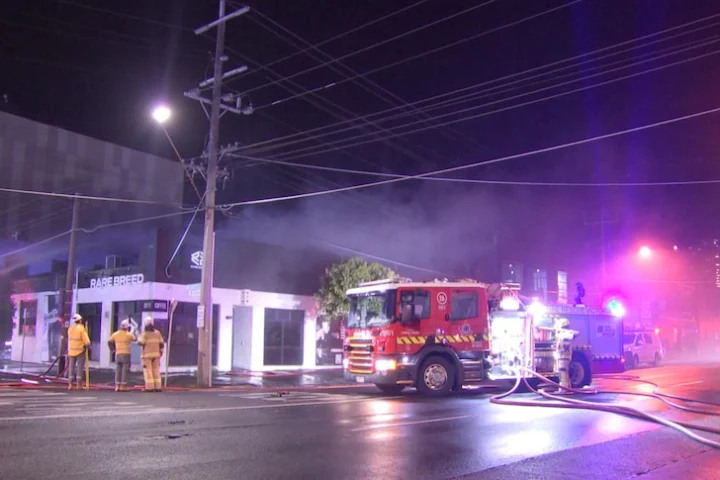
On 19 October 2025, three teenagers suffered machete wounds outside Luna Park in St Kilda, Melbourne. The attack occurred in broad daylight on Cavell Street, shocking the public.
Victoria Police said the violence began inside the amusement park after a dispute between two groups around 4:30 p.m. Security removed one group, but the same group returned later and ambushed the other outside. One attacker carried a machete. Their car hit another vehicle while escaping the scene.
Paramedics treated two 18-year-olds for cuts and a 17-year-old for a minor wound. The setting — a busy, family-friendly area — intensified concerns about public safety, youth crime and bail policies for repeat offenders.
Premier Allan’s reaction and signal for reform
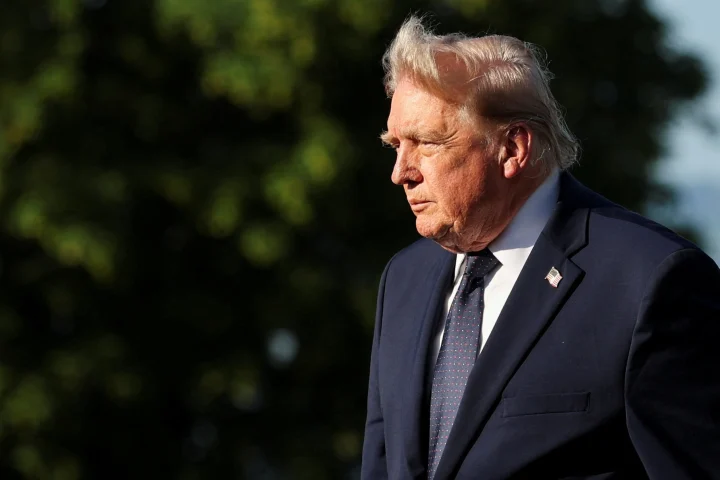
Premier Jacinta Allan condemned the attack, calling it “shocking behaviour” that “won’t be tolerated.” She stressed that Parliament had made community safety the top priority in bail decisions.
Allan also hinted that Victoria could tighten bail laws again. She said:
“We are always looking for new programs and responses to deal with this repeat pattern of behaviour.”
Her remarks followed outrage over a court’s decision to grant bail to three men charged in the attack — 19-year-old Abbas Mazrawi and brothers Mohamed and Abdurahman Khan. Police had opposed bail. Mazrawi had already faced earlier investigations for machete-related incidents and illegal weapon carriage.
The public backlash pushed Allan’s government to consider fresh restrictions on bail for repeat or high-risk young offenders.
The existing bail-reform context
Earlier in 2025, the Allan government introduced major bail reforms. The March amendments removed the presumption that remand should be a “last resort” for young people. The new rules also made it easier for courts to deny bail to serious or repeat offenders.
The government simultaneously cracked down on weapon possession. It banned machetes and set up a surrender period. Allan later said youth imprisonment had increased 46 percent since the earlier reforms.
Despite those measures, the Luna Park attack raised doubts about whether current laws match new patterns of youth crime and violence.
Why the attack sparked fresh scrutiny
Several elements intensified the outrage:
Public setting. The incident unfolded in a busy entertainment precinct. Families and tourists witnessed the violence, shaking confidence in public safety.
Repeat behaviour. Police records show Mazrawi had prior involvement in machete-related offences and ignored past intervention orders.
Bail decision. Despite opposition from police, magistrates released the accused on strict conditions, including a curfew and weapon ban. Courts cited their age, lack of prior custody and court delays.
Pattern of youth offending. Allan described a trend of “brazen, often repeat offending increasingly committed by children.”
Together, these factors renewed calls for stronger bail rules and more decisive responses to youth crime.
What further reforms might look like
No bill has been introduced yet, but government sources and analysts predict several possible changes:
- Stricter bail presumptions. Repeat or weapon-related offenders could face tougher hurdles to gain bail.
- Weapon-specific rules. Offences involving knives or machetes may carry automatic bail restrictions.
- Faster reviews. Authorities could shorten the time between arrest and bail hearing to limit re-offending risks.
- Tighter monitoring. Courts may require electronic tagging, curfews and proof of weapon surrender.
- Mandatory programs. Young offenders might only receive bail if they join rehabilitation or behaviour-change programs.
- Clearer guidance. Legislation could state that community safety must outweigh other factors while preserving judicial independence.
Allan reminded judges and magistrates that “community safety must come first.” She also recognised courts’ independence but warned Parliament’s direction was clear.
Deputy Premier Ben Carroll has suggested pairing bail reform with sentencing changes. Longer sentences, he said, could allow more time for rehabilitation.
Balancing safety, rights and rehabilitation
The bail debate in Victoria hinges on three goals:
Community safety. Citizens expect protection from violent acts in public spaces. Lawmakers face pressure to respond quickly to visible crime.
Fairness and legal rights. Bail recognises that an accused person remains innocent until proven guilty. Excessive remand disrupts lives and strains the justice system.
Rehabilitation. Many youth advocates argue that tough penalties alone won’t stop re-offending. Support programs, education and community links are essential.
Allan said the government is exploring “new and different ways of supporting young people.” The challenge is to strengthen deterrence without creating unfair or counterproductive outcomes.
Political and public pressure
The machete attack came amid growing media focus on youth crime in Victoria. With elections approaching, the Allan government faces scrutiny over whether it’s doing enough.
Some Labor MPs privately worry that perceptions of leniency could cost votes, especially in suburban and regional electorates. The opposition has already framed the issue as a failure of leadership.
Although the Premier signalled urgency, legislative change takes time. Drafting, consultation and debate could stretch over months. The government may prefer small, targeted amendments to existing laws instead of a full rewrite.
Legal and youth-rights groups are also preparing to weigh in. They argue that reforms must respect human rights and focus on long-term solutions.
The wider context
Knife and machete violence has become a national concern. States across Australia are debating how to balance tough enforcement with youth-justice reform.
Victoria recently banned machetes entirely, introducing an amnesty from 1 September 2025 for surrendering such weapons. The law came after a surge in violent incidents involving blades.
The Luna Park attack now stands as a test for Victoria. Can it protect the public while still rehabilitating young offenders? Can stricter bail laws reduce violence without deepening social problems?
What happens next
Investigations into the St Kilda attack continue. The government is reviewing bail data and public submissions before finalising any new proposals.
Lawmakers expect consultation with police unions, victims’ groups, youth-justice experts and civil-rights advocates. Each group will push different priorities.
Observers will watch whether the government adds clauses to the current Bail Act or introduces a separate amendment bill.
Judicial independence remains crucial. Allan has made expectations clear but cannot influence individual court decisions.
Meanwhile, public opinion will shape the pace of reform. The government knows that every high-profile crime can shift the debate overnight.
Summary
The machete attack outside Luna Park reignited Victoria’s debate over bail laws and youth violence. Premier Jacinta Allan condemned the attack and hinted at new bail reforms focused on community safety.
Although earlier changes already toughened the system, critics say recent cases reveal gaps. The government must now find balance — protecting citizens while upholding fairness and helping young offenders turn their lives around.
Upcoming months will reveal how far Victoria is willing to go in rewriting its bail framework, and whether the next round of reform will restore both public confidence and justice for all.