Australia fuel prices are surging rapidly as the Middle East conflict continues to disrupt global energy markets. In some remote parts of the country, diesel prices are already approaching $4 per litre, raising fears that fuel costs could climb even higher in the coming weeks.
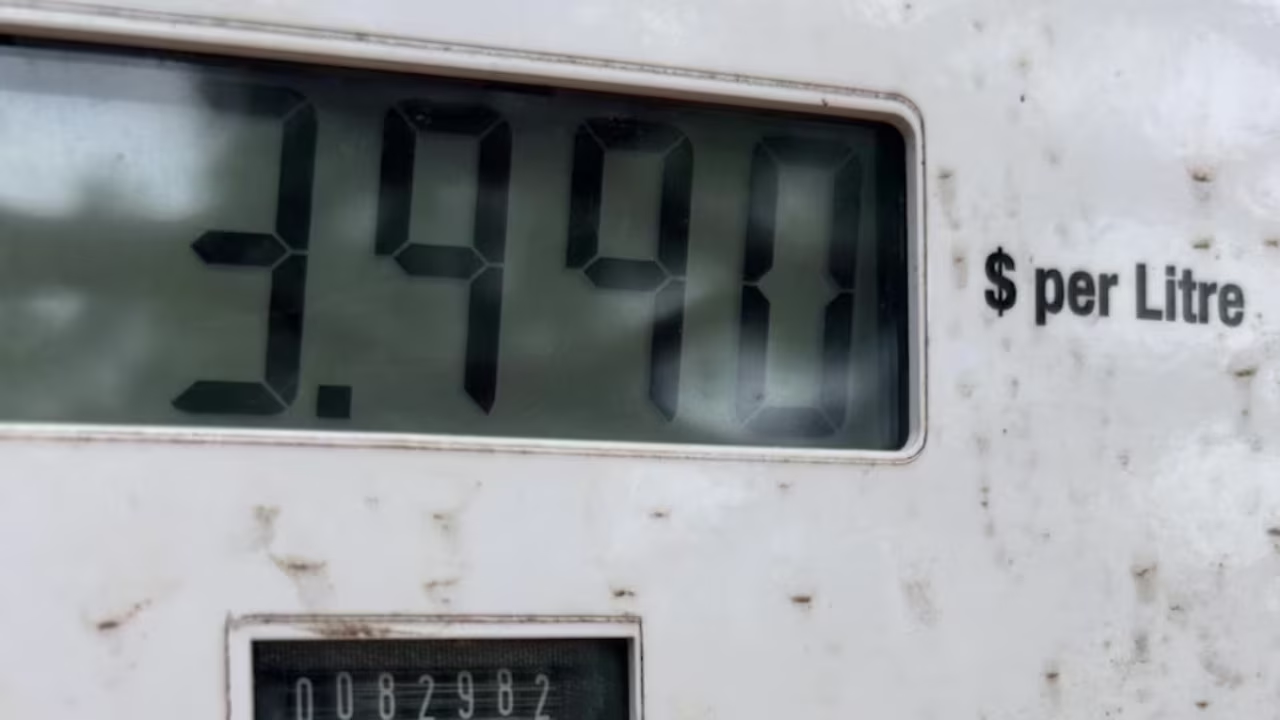
Communities in Australia’s Northern Territory are among the hardest hit. In Ramingining, a remote settlement about 560 kilometres east of Darwin in Arnhem Land, diesel prices have reached $3.99 per litre. Nearby Milingimbi is also experiencing steep costs, with fuel selling for around $3.95 per litre.
The spike in Australia fuel prices comes just days after the escalation of hostilities in the Middle East, where tensions involving Iran, Israel and the United States have rattled global oil markets.
Australia Fuel Prices Surge After Middle East Conflict
The ongoing conflict has pushed crude oil prices upward, affecting fuel markets worldwide. Analysts say the increase in Australia fuel prices reflects the rapid reaction of global energy markets to geopolitical instability.
About 20 percent of the world’s oil and gas passes through the Strait of Hormuz, a critical shipping route near Iran’s southern border. With the shipping lane effectively disrupted due to the conflict, oil traders are pricing in supply risks.
As a result, petrol and diesel prices across Australia have begun rising, sparking concerns among motorists and businesses.
Panic Buying Reported Across Major Cities
Fuel stations in several Australian cities have reported panic buying and long queues as drivers rush to fill their tanks.
Industry Minister Tim Ayres blamed what he described as political fear-mongering for triggering unnecessary panic purchases.
Speaking during parliamentary question time, Ayres accused opposition politicians of creating alarm that pushed motorists to rush to petrol stations.
He said Australia’s fuel reserves are currently in their strongest position in 15 years and urged consumers not to panic.
Fuel Retailers Accused of Inflating Prices
Consumer advocates have also raised concerns that some petrol stations may be charging excessive prices amid the crisis.
NRMA spokesperson Peter Khoury criticised certain operators for what he called unjustifiable fuel pricing. According to the NRMA, many service stations across Sydney, Melbourne and Brisbane are already charging close to $2.20 per litre.
Khoury urged regulators to intervene if necessary to prevent companies from exploiting the situation.
Treasurer Jim Chalmers has also contacted the Australian Competition and Consumer Commission to ensure retailers do not take advantage of consumers during the crisis.
Average Fuel Prices Across Australia
Despite the spikes in remote areas, the average cost of regular unleaded petrol across major Australian cities remains lower. Current average prices per litre include:
| City | Average Price |
|---|---|
| Sydney | 209.5 cents |
| Melbourne | 207.7 cents |
| Brisbane | 210.2 cents |
| Adelaide | 185.0 cents |
| Perth | 189.1 cents |
However, analysts warn that these figures could rise significantly if global oil prices continue climbing.
Oil Market Shock May Take Days to Fully Hit Australia
According to the NRMA, it typically takes between seven and ten days for increases in global oil prices to filter through to Australian petrol stations.
That means the current surge in Australia fuel prices may only represent the beginning of the impact.
Energy analysts warn that if tensions in the Middle East persist, Australians could face even higher fuel costs in the coming weeks. For motorists already struggling with living expenses, the potential rise in petrol and diesel prices could place further pressure on household budgets.
As the conflict continues into its fourth day, markets remain highly volatile, leaving both governments and consumers watching closely to see how the global energy situation unfolds.