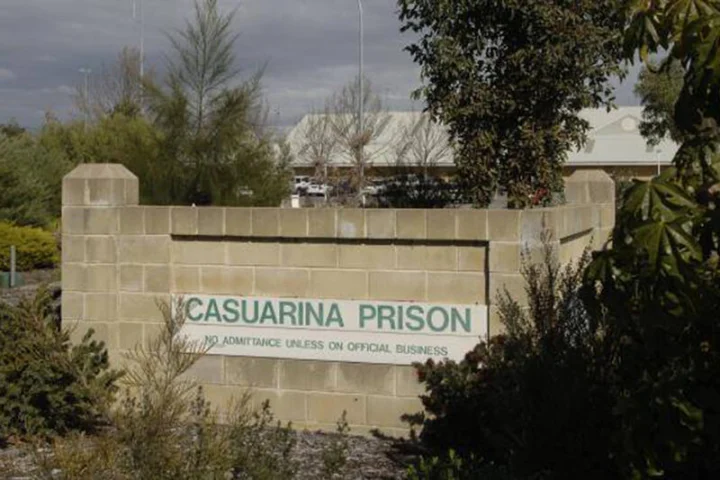
Australia’s prison systems are entering another wave of reform as a state government prepares to introduce a new ban on a “commonly accepted practice” inside correctional facilities. The decision has stirred attention across the country, as it continues the national shift toward stricter but health- and safety-driven corrections policies.
Although the government has not officially named the practice being targeted, reports indicate that inmates will be offered support programs to help them adjust once the ban takes effect. This approach shows that the government aims not only to enforce discipline but also to promote rehabilitation and long-term behavioural change among inmates.
Context Behind the Ban
Australia’s prisons have faced mounting challenges in recent years — from overcrowding and staff shortages to rising health concerns and security incidents. The latest move to eliminate a long-standing practice inside prisons highlights a growing trend toward reform. Officials are trying to balance strict discipline with human-centred correctional approaches.
The use of the phrase “fresh ban” suggests that this is not merely a continuation of old rules but the introduction of a new, clearly defined prohibition. It reflects the government’s recognition that some entrenched habits within the prison system have become obstacles to safety, rehabilitation, or cost efficiency.
While the exact nature of the practice hasn’t been confirmed, similar reforms have recently taken place elsewhere. For example, Western Australia announced a complete smoking ban across all its prisons by the end of 2026. Authorities there partnered with the Cancer Council WA and Aboriginal Health Council to deliver cessation support for both inmates and staff. This provides a likely clue that the current “fresh ban” may involve smoking, substance use, or another health-related activity.
Why the Change Matters
If the ban targets smoking or another behavioural norm, the implications go beyond simple restriction. It represents a cultural shift within prisons — an attempt to transform correctional centres from punitive institutions into environments that prioritise rehabilitation, mental well-being, and safety.
Officials argue that such bans can:
- Improve inmate health outcomes
- Reduce long-term healthcare costs
- Minimise contraband smuggling
- Lower fire and safety risks inside facilities
However, bans also require sensitive handling. Many inmates rely on certain habits — like smoking — as coping mechanisms in stressful, confined environments. Removing them suddenly could increase frustration, aggression, or tension unless strong support systems are in place.
Implementation and Support Measures
According to reports, support programs will accompany the ban, which suggests a structured, phased rollout. Inmates and staff are expected to receive early communication about the upcoming change, including education sessions, counselling, and access to alternatives.
If the ban involves smoking, authorities could offer nicotine replacement therapies, counselling, and gradual phase-outs. For other behavioural restrictions, similar approaches — such as replacement programs or alternative privileges — would be used to maintain stability.
Corrections staff will also need additional training to handle the transition smoothly and enforce new policies fairly. Implementation will likely include:
- Pilot programs in select facilities before a statewide rollout.
- Behavioural support through counsellors and health workers.
- Clear communication to inmates to prevent confusion or unrest.
- Monitoring and evaluation to measure progress and challenges.
By blending enforcement with empathy, the government hopes to prevent disruption while achieving the intended reform.
Who Will Be Affected
- Inmates: They will be the most directly affected, particularly those dependent on the banned practice. Adjustment may be difficult at first, but proper guidance and replacement strategies can reduce resistance.
- Correctional Officers: Staff must adapt to new enforcement rules while ensuring safety. They may also require their own support if the ban affects their personal routines (as in the case of smoking).
- Health Professionals: Medical teams and counsellors inside prisons will play a central role in delivering cessation or behavioural programs.
- Families and Advocates: Relatives of inmates and advocacy groups will watch closely to ensure the reform does not harm inmates’ mental health or rights.
Potential Benefits
If successful, the fresh ban could bring long-term benefits to both inmates and society:
- Better Health Outcomes: Reduced smoking or substance use will improve respiratory and cardiovascular health among inmates.
- Enhanced Safety: Fewer contraband items, lighters, or substances mean a lower risk of fire or violence.
- Lower Costs: With fewer health issues and incidents, medical and operational costs may drop.
- Improved Rehabilitation: A structured, supportive environment encourages discipline and self-control, aiding reintegration after release.
Risks and Criticisms
Not everyone supports such reforms. Critics warn that abrupt bans can backfire if not properly managed. In past cases, quick restrictions led to underground trading, violence, and mental distress among inmates who felt their coping tools were stripped away.
Human rights groups have also voiced concern that these reforms, while well-intentioned, may disproportionately affect vulnerable groups, such as Indigenous inmates or those with addiction issues. Without culturally sensitive or personalised support, a blanket ban could worsen inequality within prisons.
Moreover, corrections officers often face greater tension and workload during reform periods. If adequate training and staff numbers are not provided, enforcement could become inconsistent or unsafe.
National Trends in Prison Reform
Across Australia, state governments are under public and political pressure to modernise correctional systems. Rising incarceration rates, especially among Indigenous Australians, and growing awareness of health and rehabilitation needs have sparked nationwide debate.
Recent initiatives include:
- Expanding educational and vocational programs inside prisons
- Introducing AI-driven surveillance for contraband detection
- Improving mental health and addiction treatment services
- Tightening health and safety regulations, including smoking and substance bans
These reforms collectively aim to reduce recidivism and create safer, more humane correctional environments. However, the balance between punishment and rehabilitation remains delicate.
Public and Political Reactions
Public opinion often splits along predictable lines. Some citizens support stricter policies, believing prisons should maintain firm control to ensure order and deterrence. Others argue that rehabilitation, not punishment, must remain the core mission — and that too many bans risk dehumanising inmates.
For governments, these bans can serve as political signals of strength and reform at once — “tough but fair” measures that show accountability while improving conditions.
If implemented successfully, this fresh ban could become a model for other states. If it fails or sparks unrest, it might fuel criticism of correctional policy nationwide.
What Comes Next
Authorities will likely unveil full details soon — including which practice is banned, how support will operate, and what timeline the rollout will follow. Once introduced, researchers and advocacy groups are expected to monitor its effects on inmate behaviour, safety, and overall prison culture.
The real test will not be the ban itself, but how effectively it’s managed. A thoughtful, well-supported transition could make Australian prisons healthier and safer. A rushed or punitive approach could produce the opposite: unrest, stress, and mistrust.
Conclusion
The announcement that prisoners will face a fresh ban marks another turning point in Australia’s correctional reform. Whether it involves smoking, contraband, or another behavioural restriction, the policy reflects a national movement toward controlled, rehabilitative, and health-focused prison environments.
If the government combines firmness with compassion — enforcing rules while supporting inmates through the change — this ban could set a new benchmark for modern correctional governance. Australia’s prisons stand at a crossroads: between old systems of control and a newer vision of rehabilitation that truly prepares inmates to re-enter society stronger, healthier, and more responsible.