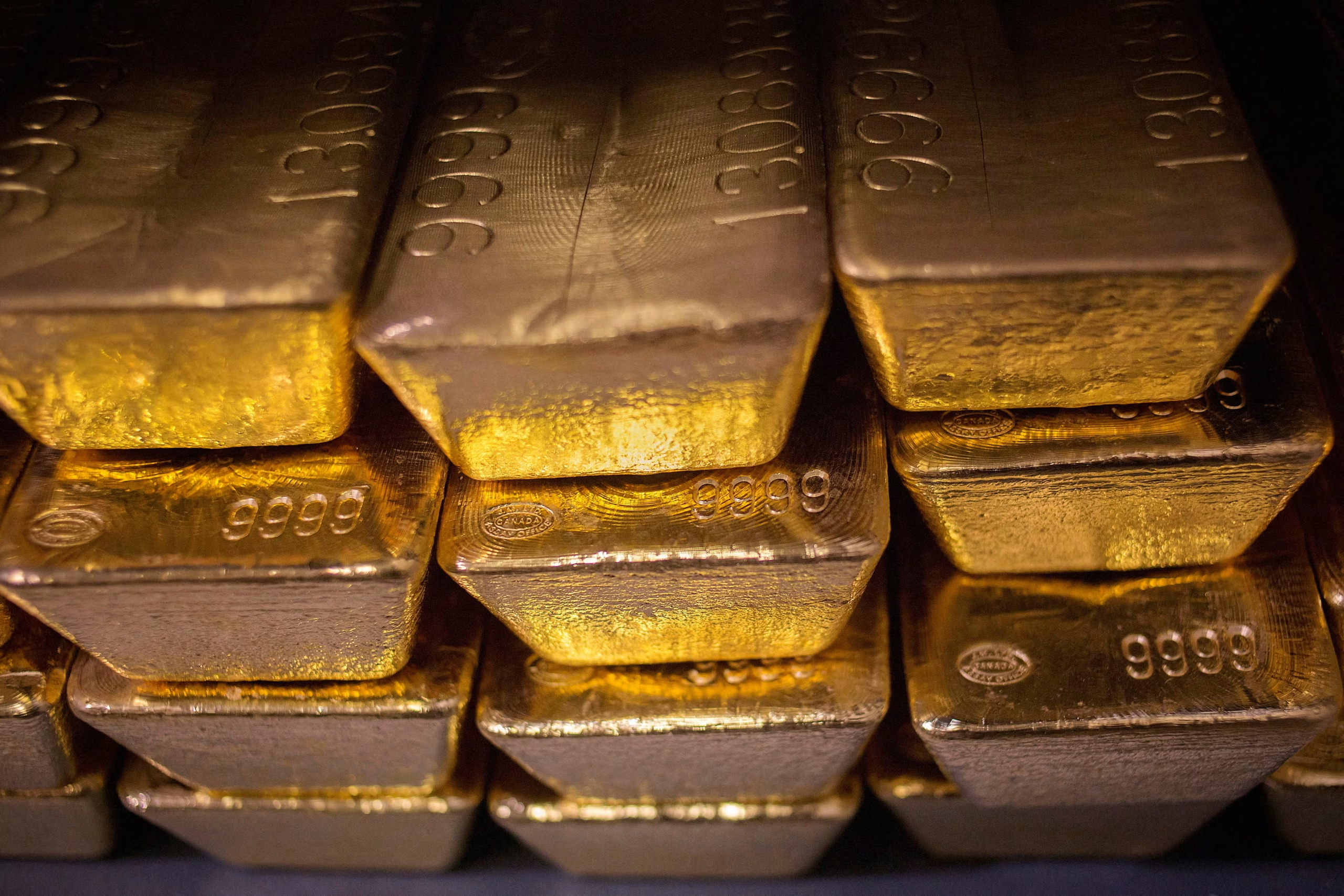
Australia’s resource export landscape is poised for a notable shift in 2025–26. Gold exports are expected to eclipse liquefied natural gas (LNG), becoming the country’s second-largest resource export after iron ore.
According to the government’s September quarterly report, gold export earnings may climb by A$12 billion to reach A$60 billion. Meanwhile, LNG export revenues could decline to A$54 billion this fiscal year and fall further to A$48 billion in 2026 as global energy markets adjust.
This reordering reflects several converging dynamics. Strong demand for the safe-haven metal has surged due to geopolitical uncertainties, pushing up gold prices. In a lower interest rate environment — especially in the U.S. — gold retains its appeal as a hedge against volatility. The report notes that gold has already traded near record highs, approaching USD 4,000 per troy ounce.
In contrast, LNG exports are facing headwinds. Global demand for natural gas is weakening as the energy transition accelerates and lower oil and gas prices compress margins. The report projects a 5 percent drop in total resource and energy export earnings, from A$369 billion to A$354 billion in the next year.
Iron ore remains Australia’s top export. Forecasts place its earnings at A$113 billion for 2025–26. Average iron ore prices were revised upward by 10 percent to USD 87 per metric ton, driven by infrastructure demand and Chinese policy reforms.
From a policy standpoint, this shift compels a fresh look at export strategies. Government and industry may need to strengthen gold production and processing while reducing risks in the gas sector. Commodity market volatility highlights the need for diversification and value addition in resources.
The implications extend beyond export tallies. The taxation and revenue landscape will likely change. Gold mining could generate higher royalties and corporate contributions. Governments may need to rebalance budgets as LNG-related revenues decline.
Mining companies with gold operations may record stronger earnings and attract more investment. In contrast, gas-focused firms could face tighter margins and rising risk. This structural tilt in Australia’s resource mix might redirect capital toward gold exploration, mining, and processing.
However, risks remain. Gold prices fluctuate with interest rates and global investor sentiment. If inflation or rate hikes reduce the appeal of non-yielding assets, demand may ease. Energy markets can shift quickly with climate regulations, carbon pricing, or subsidy changes, potentially accelerating declines in gas demand.
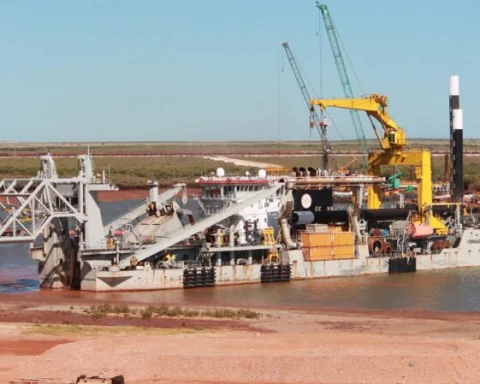
Lower energy export revenues could slow domestic supply chains tied to LNG. Shipping, liquefaction facilities, and related services might see reduced utilization. Regions reliant on gas infrastructure could face economic pressure unless they diversify.
From a macroeconomic view, a 5 percent decline in total export earnings could weigh on Australia’s trade balance. A smaller trade surplus would tighten external balances. The broader economy would need to absorb this shock, particularly in sectors less connected to commodities.
To stabilize earnings, the government is expected to focus on industrial strategy and value addition. Expanding mineral processing — such as gold refining — within Australia can capture more value locally. Policies that support mining innovation, efficient extraction, and sustainability will help cushion the impact of commodity cycles.
In summary, the 2025–26 forecast shows gold overtaking LNG as Australia’s second-largest resource export. The shift brings both opportunities and challenges. Strategic adaptation, diversification, and proactive policymaking will be essential as the nation navigates this evolving export profile.