A Historic Turn
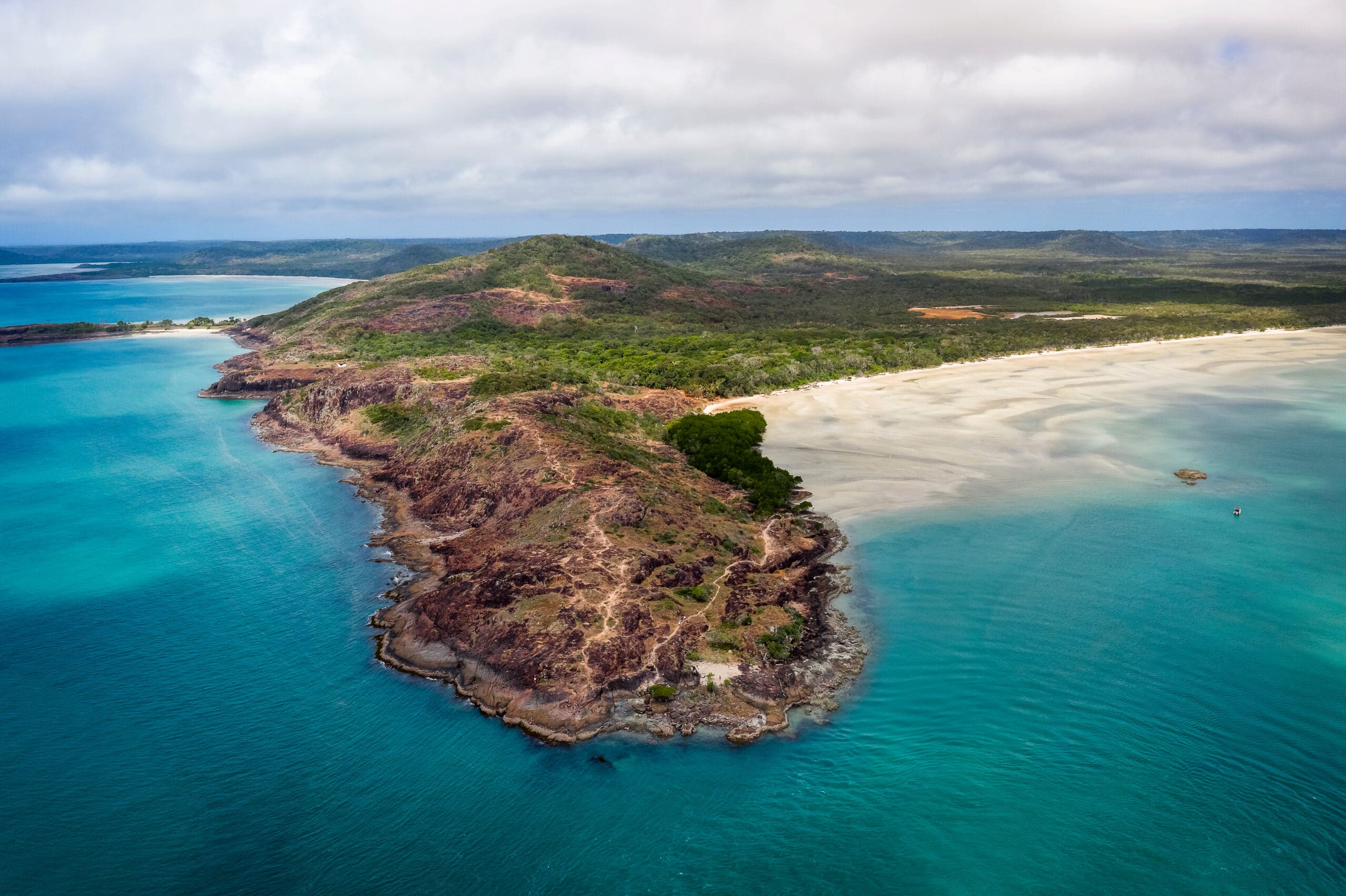
In late October 2025, the Federal Court of Australia recognised the native title rights of the Guugu Yimidhirr, Yiithuwarra, and Wuthathi peoples. The decision covered about 915,000 hectares across the eastern Cape York Peninsula in Queensland. The recognition included land, sea, and islands stretching over historic Country where European contact first began in northern Australia.
This ruling marks a defining moment in Australia’s history. After more than two centuries of dispossession, these lands—rich in cultural and ecological value—have been officially returned to their traditional custodians.
The handover ceremony took place in Cooktown. Hundreds of families, elders, and young people travelled from across Cape York to witness it. The event was not just a legal milestone but a celebration of endurance, culture, and justice. For many, it symbolised the end of one painful era and the beginning of a hopeful new chapter.
Why the Decision Matters
The determination carries deep meaning for several reasons.
First, it formally acknowledges what Indigenous communities have long known: their continuous ownership, knowledge, and care for Country that span thousands of years. It validates oral histories, cultural practices, and ancient laws that survived despite colonisation.
Second, it begins to repair the legacy of loss and broken promises. Many elders spent decades fighting for recognition. Some did not live to see this moment, but their efforts shaped the outcome.
Third, the land itself is extraordinary. It holds rainforests, beaches, coral-fringed islands, and sacred sites. It is home to rare wildlife and living cultural landscapes. Returning this land helps protect biodiversity while strengthening Indigenous-led conservation and sustainable development.
Cape York’s Long Journey
The Cape York United #1 Claim began in 2014 and became one of Australia’s largest and most complex native title cases. It covers millions of hectares, with decisions delivered in stages over the years.
In July 2024, another determination recognised about 1.76 million hectares for three Indigenous groups. Before that, Queensland’s Tenure Resolution Program had already handed back more than 4 million hectares of land for joint management.
The 2025 ruling therefore adds to a decade-long transformation of Cape York’s legal and environmental landscape. Each hand-back strengthens a growing network of Indigenous stewardship across northern Queensland.
The Ceremony and Community Voices
At the Cooktown gathering, emotions ran high. Elders and community leaders spoke of resilience and remembrance.
Guugu Yimidhirr Elder Erica Deeral said: “This recognition affirms what our families have always known—that we are the Traditional Owners of this Country.”
Yiithuwarra claimant Des Rumble called it bittersweet: “It’s unbelievable to think that after all these years, a lot of the old people—through their determination—have finally been recognised.”
Richie Ah Mat, Acting CEO of the Cape York Land Council, added: “The Guugu Yimidhirr people weren’t asked to give the land away—it was just taken from them.”
Their words revealed both relief and pride. For the younger generation, it was also a lesson in heritage—an invitation to learn from their elders and renew their bond with Country.
What the Decision Means in Practice
With native title recognised, the groups now hold legal rights and interests in the land. They can make decisions about its management, preserve it under traditional law, and lead in cultural and environmental projects.
However, this is not full freehold ownership. Instead, native title operates through joint management with the Queensland Government. Such arrangements allow Traditional Owners to be central in conservation, tourism, and land-use planning.
The determination opens new doors. Indigenous-led eco-tourism, ranger programs, and cultural visitor centres can now expand. These initiatives support jobs, preserve traditional knowledge, and promote self-reliance for future generations.
Challenges on the Road Ahead
While the hand-back is historic, challenges remain.
The legal process took decades. Many claimants passed away before the outcome. Turning legal recognition into real empowerment now requires funding, infrastructure, and training.
Cape York’s remoteness adds complexity. Managing vast areas demands cooperation between Indigenous rangers, scientists, and government agencies. Fire control, weed removal, and wildlife protection are ongoing responsibilities that require strong support systems.
Balancing conservation and development is another delicate task. Tourism and business can create income, but they must not harm sacred sites or ecosystems. Respect for cultural values and free, informed community consent must guide every decision.
Furthermore, several parcels of land are still under negotiation. The 2025 ruling covers only part of the overall claim, with final settlements expected by late 2026. The journey toward complete land justice continues step by step.
Broader National and Global Meaning
This recognition is more than a regional event—it reflects a wider shift across Australia. It shows that the legal system can finally acknowledge Indigenous spiritual and historical connections to Country.
The ruling strengthens national reconciliation and aligns with commitments under the Closing the Gap strategy. It supports truth-telling and justice as essential foundations for a shared Australian future.
Globally, it adds momentum to Indigenous land rights movements. The Cape York model of joint management demonstrates how traditional ecological knowledge can work alongside modern conservation science. Such approaches have inspired similar frameworks in Canada, New Zealand, and the Amazon region.
Environmental experts note that Indigenous stewardship often results in better ecological outcomes. Where Traditional Owners lead, biodiversity tends to flourish. Their deep understanding of seasonal cycles and sustainable use makes conservation both culturally rooted and scientifically effective.
Economically, the ruling opens pathways for community-run tourism, cultural education, and green enterprises. It may also attract funding and research partnerships, helping remote regions thrive while preserving identity.
In Conclusion
The return of nearly one million hectares of Cape York is a landmark in Australian history. It recognises the Guugu Yimidhirr, Yiithuwarra, and Wuthathi peoples’ unbroken connection to their land and honours generations of advocacy.
Yet this victory is only the beginning. Recognition must translate into real opportunity—into sustainable livelihoods, cultural revival, and strong governance.
As the sun sets over Cape York, elders remind younger generations that the land carries both memory and duty. The Country has always belonged to its people. Now, at last, the law agrees. What follows is the ongoing story of healing, growth, and guardianship—written on the soil that has never forgotten its first custodians.