Scientists have sounded the alarm after spotting signs of the deadly H5 strain of bird flu in elephant seals on Heard Island, a remote Australian sub-Antarctic territory. If confirmed, this will mark the first appearance of the highly contagious virus in Australian territory.
The Discovery on Heard Island
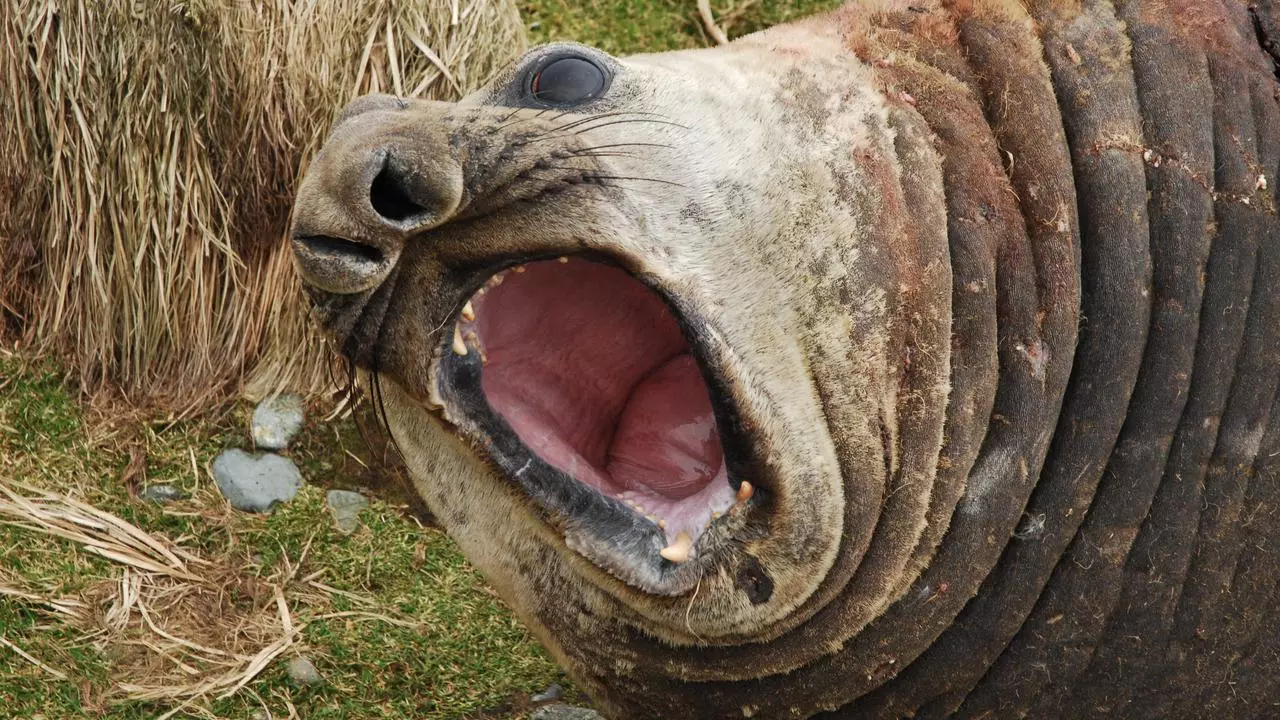
Researchers aboard the Australian Antarctic vessel RSV Nuyina noticed several dead elephant seals during a survey on Heard Island. Many were pups, but some adults had also died. The scientists recorded unusually high mortality levels along the island’s shores.
Authorities have not yet confirmed H5 bird flu. However, early findings suggest the presence of the highly pathogenic strain. The Department of Agriculture, Fisheries and Forestry (DAFF), working with the Australian Antarctic Division, collected tissue and swab samples for testing. These samples will arrive in mainland Australia for analysis within weeks.
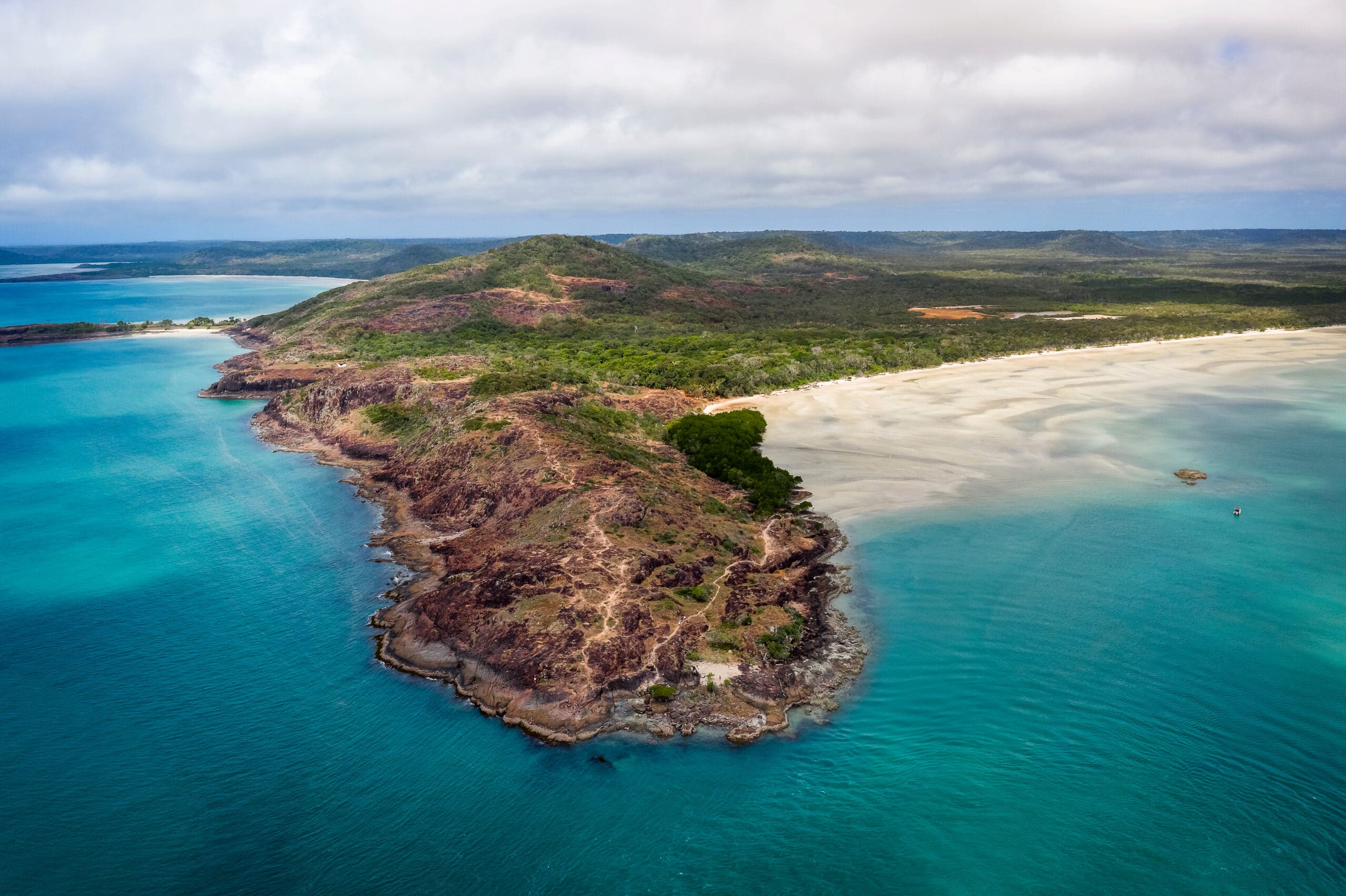
Heard Island lies 4,000 km southwest of Perth and 1,700 km north of Antarctica. Its isolation has helped Australia avoid the H5 strain so far.
Why the Situation Matters
The H5N1 clade 2.3.4.4b strain of avian influenza is extremely lethal in birds and has spread to mammals such as sea lions, seals, and even cattle. If Heard Island confirms infection, it would mean the virus has entered one of the world’s most untouched ecosystems.
This raises fears for local wildlife and the potential spread toward mainland Australia. Officials insist the risk remains low but continue urging strong vigilance and preparation.
Global Context
Since 2020, H5N1 has spread across continents, affecting millions of birds and various mammals. In the sub-Antarctic, scientists have already detected the virus on Kerguelen and Crozet Islands, only 450 km from Heard Island.
Australia has faced mild avian flu strains in poultry before, but never this severe H5 variant. That makes the current suspicion a major concern.
What the Researchers Observed
The Nuyina team conducted aerial and ground checks around the island. They saw clusters of elephant seal deaths in the southeast. No abnormal deaths appeared among penguins or seabirds. The researchers gathered samples and sealed them following strict international safety rules. The CSIRO Australian Centre for Disease Preparedness will handle the analysis.
Government Response
A DAFF spokesperson explained, “We haven’t confirmed detection yet, but the signs are consistent with H5 bird flu. It’s not unexpected.” The agency added that even a confirmed case on Heard Island should not raise mainland Australia’s risk level.
Still, officials call the discovery a wake-up call. They plan to strengthen bio-security, wildlife monitoring, and disease preparedness programs.
Impact on Wildlife and Ecology
If the H5 virus infects elephant seals, it could trigger serious ecological damage. A single outbreak can cause mass die-offs among species with no immunity. Similar events in Antarctica have already wiped out large colonies of birds and seals.
Elephant seals gather in huge numbers during breeding. This density makes fast transmission likely. Losing so many animals could alter predator–prey dynamics, nutrient flow, and the entire marine ecosystem.
Because Heard Island is a UNESCO World Heritage site, a viral invasion would strike at one of the last pristine ecosystems on Earth.
Implications for Australia
The suspected outbreak shows that even remote ecosystems are vulnerable. Migratory birds or ocean currents may have carried the virus thousands of kilometres south.
If the virus reaches the mainland, it could infect wildlife, livestock, and possibly humans. Globally, human cases remain rare and occur mainly after contact with infected animals.
Australia has already invested more than AUD 100 million in bird flu surveillance and emergency preparedness. The government now aims to expand that monitoring to southern territories and coastal zones.
Key Questions
Researchers still face many unknowns:
- Confirmation: Is it really the H5N1 strain? Results may arrive by mid-November.
- Transmission: How did the virus reach Heard Island? Migratory birds are likely carriers.
- Scale: How many seals have died, and are other species infected?
- Containment: Can wildlife officers prevent further spread?
- Future risk: What safeguards will protect mainland Australia?
Global Significance
This event proves that infectious diseases ignore distance and borders. H5N1’s spread into Antarctic waters shows its growing adaptability and threat to biodiversity.
Wildlife experts warn that climate shifts and global migration patterns allow such viruses to travel further each year. They argue that protecting remote habitats now requires disease surveillance, not just limiting human access.
Even isolated islands can become frontlines of global disease defense.
Final Thoughts
The strange deaths of elephant seals on Heard Island remind the world how fragile isolated ecosystems are. If H5 bird flu reaches such a remote island, no region is truly safe from global outbreaks.
Australia now waits for test results that could define its next major bio-security challenge. Whatever the outcome, this event underscores one truth — prevention and readiness matter as much as distance and isolation.