Perth prison plan discussions are set to intensify after the Western Australian government confirmed a $2.3 million business case for a new prison in the metropolitan area is being finalised.
The confirmation comes at a sensitive time for the state’s correctional system, which has faced growing scrutiny over prison capacity, staff pressure and conditions inside major facilities. A new prison would represent one of the most significant correctional infrastructure decisions in Western Australia in years, with major implications for public spending, justice policy, prison management and long-term capacity planning.
The government has not yet released the final business case, but its completion by the end of the year would give ministers a clearer picture of the preferred site, design, capacity, cost, delivery timeline and operating model.
For Western Australia, the decision is not simply about building more beds. It is about whether the state can respond to rising prison demand while also addressing deeper questions about rehabilitation, remand pressure, staffing, safety and long-term justice reform.
Why the New Prison Business Case Matters
A prison business case is a critical planning document. It allows the government to test whether a major infrastructure project is needed, how much it may cost and what options should be considered before public money is committed.
In this case, the $2.3 million business case is expected to assess the need for a new prison in Perth and examine how a new facility could fit into the broader corrections system.
The document may consider several major questions. Where should the prison be built? How many people should it hold? Should it focus on remand prisoners, sentenced prisoners or a particular security category? What services should be included? How should the facility be staffed? What would the long-term operating cost be?
These questions matter because prison construction is expensive. A new facility can cost hundreds of millions of dollars to build and much more to operate over its lifetime. Poor planning can create long-term problems, while careful planning can help improve safety, efficiency and rehabilitation outcomes.
WA’s Prison Capacity Pressure
Western Australia’s prison system has been under significant pressure. Recent inspection findings and public reporting have raised concerns about overcrowding, limited access to services, staff shortages and strained prison operations.
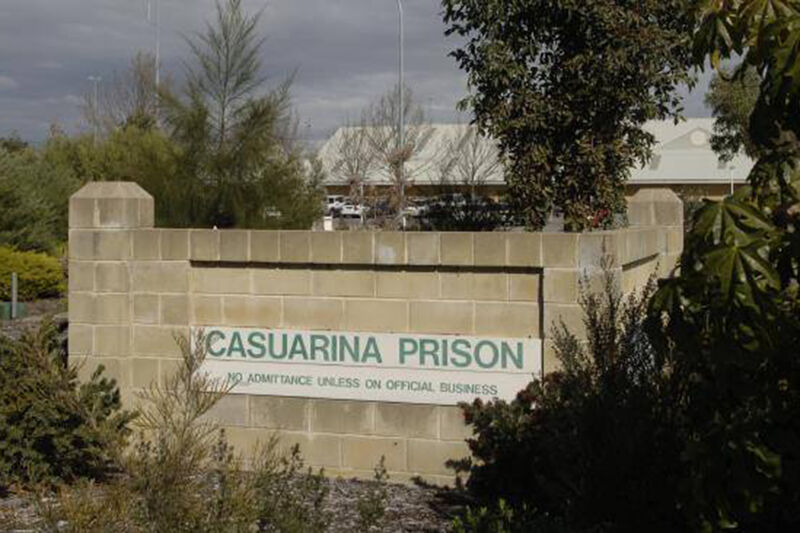
Facilities such as Hakea, Casuarina and Melaleuca have been central to the debate because they carry a large share of the state’s correctional burden. When population growth exceeds capacity, prisons can become harder to manage, and daily operations can become more restrictive.
Overcrowding affects more than accommodation. It can increase pressure on health services, education programs, rehabilitation pathways, family contact, staff workload and security systems. It can also make it harder for prisons to support people preparing for release.
A new prison may ease some of that pressure, but infrastructure alone may not solve every problem. The state will still need policies that address the causes of prison growth, the number of people held on remand and the availability of programs that reduce reoffending.
What a New Perth Prison Could Deliver
A new prison in Perth could give the government an opportunity to design a modern facility around current correctional needs rather than relying only on older infrastructure.
A well-planned prison could include improved accommodation, better health and mental health service spaces, safer staff movement, education facilities, training areas, family visit facilities and areas designed for rehabilitation programs.
It could also help separate different prisoner groups more effectively. Modern prison planning often considers security classification, vulnerability, remand status, gender-specific needs, cultural support and program access.
If the new prison is designed only as a bed-expansion project, it may provide short-term capacity but fewer long-term benefits. If it is designed as part of a wider justice strategy, it could support safer operations and better reintegration outcomes.
That is why the business case matters. It should not only count beds. It should define the purpose of the facility.
The Cost Question
The $2.3 million figure relates to the business case, not the construction cost of the prison. The final project cost would depend on the chosen site, prison size, security level, design standard, services, infrastructure connections and delivery model.
New prisons are among the most expensive public infrastructure projects because they require secure buildings, specialist systems, staffing facilities, medical areas, technology, transport access and long-term maintenance.
The government will also need to consider operating costs. A prison does not become affordable once construction ends. Staffing, healthcare, food, security, maintenance, transport, utilities and rehabilitation services create continuing annual expenses.
This means the business case must weigh both capital and operational spending. A cheaper design may not be better if it creates higher long-term costs or poor outcomes. A more expensive design may be justified if it improves safety, efficiency and rehabilitation.
Public Safety and Justice Reform
The politics of prison construction are often difficult. Some argue that more prison capacity is necessary for public safety and to relieve pressure on existing facilities. Others argue that building more prison beds can encourage a system to keep relying on incarceration instead of addressing underlying causes.
Both issues are part of the WA debate. The government must manage current pressure in the prison system, but it must also avoid treating construction as the only answer.
Public safety depends not only on secure custody but also on reducing reoffending. That requires education, training, drug and alcohol support, mental health services, housing pathways, family connection and community-based programs where appropriate.
A new prison may help with immediate capacity problems, but long-term justice reform will require a broader strategy. The best outcome would combine fit-for-purpose infrastructure with policies that reduce unnecessary pressure on the system.
Why Perth Is the Focus
A new prison in Perth would make sense from an operational perspective because the metropolitan area is close to courts, hospitals, legal services, family networks and major existing justice infrastructure.
Many people in custody need access to court proceedings, lawyers, health appointments and family visits. A metropolitan location can make these services easier to manage than a remote facility.
However, Perth land availability, transport access, community concerns and planning approvals may complicate site selection. Prisons are essential public infrastructure, but they often face local opposition because residents worry about traffic, safety, property values and land use.
The business case will likely need to consider these planning realities carefully. A technically suitable site may still face political and community challenges.
Staffing Will Be a Major Issue
A new prison will not solve system pressure unless it can be properly staffed. Correctional facilities rely on trained officers, health professionals, program staff, administrators and support workers.
If the wider prison system is already experiencing staffing pressure, opening a new facility could create recruitment challenges unless workforce planning starts early.
The government will need to consider how many staff the prison would require, where they would be recruited from, what training would be needed and how the new facility would affect staffing levels at existing prisons.
A modern prison can improve working conditions if it is designed well, but it still needs enough people to operate safely. Staffing is therefore likely to be one of the most important parts of the final plan.
Community and Stakeholder Response
The new prison plan is likely to draw responses from several groups, including unions, legal bodies, Aboriginal organisations, prisoner advocacy groups, local councils, community residents and opposition politicians.
Unions may focus on staffing, safety and working conditions. Legal and justice groups may question whether more prison capacity addresses the causes of overcrowding. Community groups may want transparency around location and consultation. Regional and Aboriginal organisations may raise concerns about the high representation of Aboriginal people in custody.
The government will need to manage these concerns carefully. A major prison project cannot succeed through engineering alone. It also needs public trust, clear communication and a credible explanation of why the facility is needed.
What Happens Next
The next major step is completion of the business case. Once finalised, the government will be able to decide whether to proceed, modify the proposal, seek further analysis or include funding in a future budget process.
If the project advances, the next stages may include site selection, detailed design, planning approvals, procurement, community consultation and construction funding.
The timeline could still be long. Large correctional infrastructure projects can take years from planning to opening. That means the government may also need short-term measures to manage existing prison pressure while a new facility is considered.
The final business case will therefore be closely watched. It will show whether the government is moving toward a firm construction commitment or still assessing options.
Conclusion
The new Perth prison plan marks a major moment for Western Australia’s correctional system. The government’s $2.3 million business case is expected to provide the foundation for deciding whether, where and how a new prison should be built.
The proposal comes as WA faces serious pressure across parts of its prison network, with concerns about capacity, staffing and daily operations. A new prison could help relieve some of that pressure, but it will not be a complete solution unless it is tied to wider justice reform.
The key question is whether the government can design a facility that improves capacity while also supporting safety, rehabilitation and long-term system sustainability.
By the end of the year, the business case should give Western Australia a clearer view of the cost, location, purpose and scale of the proposed prison. Until then, the debate will continue over whether the state’s correctional challenge should be answered mainly through new infrastructure, deeper reform or both.
Read Also: Windorah Solar Farm to Halve Diesel Use in Outback