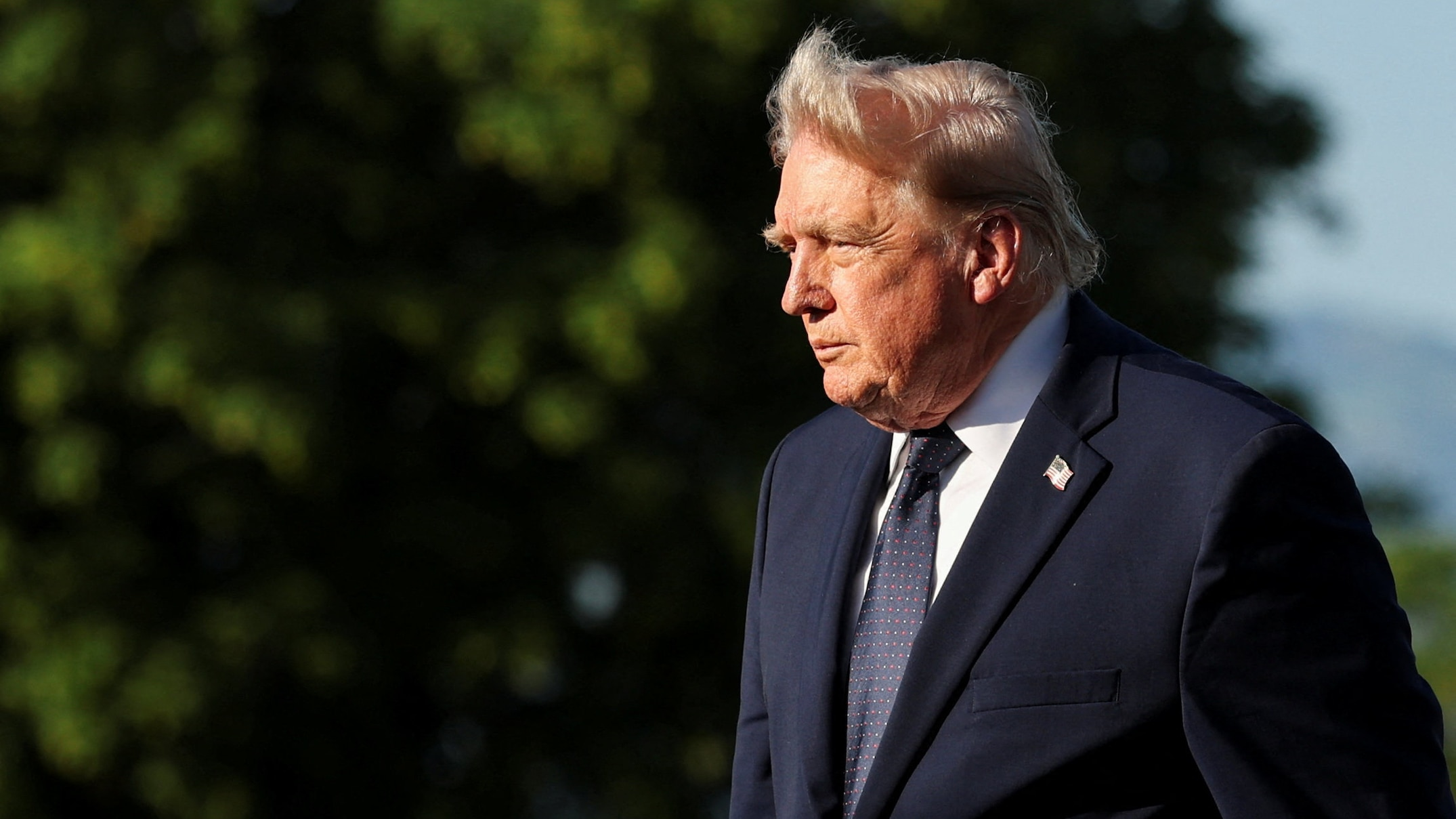
The Trump Iran deal is emerging as a high-stakes ceasefire framework that could reopen the Strait of Hormuz, ease oil restrictions and start a new round of nuclear negotiations.
President Donald Trump has said the United States reached what he described as a major agreement with Iran after more than 100 days of war involving the U.S., Israel and Tehran. Pakistan’s Prime Minister Shehbaz Sharif said both sides had agreed to an immediate and permanent end to military operations.
The full text has not yet been released. Vice President JD Vance has said details will be made public before a formal signing expected in Geneva, while Trump has said the agreement will be released soon after that.
For now, the clearest picture comes from a 14-point outline published by Iranian state media, along with comments from senior U.S. officials who have confirmed some elements while rejecting or qualifying others.
Trump Iran Deal Centers on Ceasefire and Hormuz
The first major element of the Trump Iran deal is a halt to hostilities. Iran’s version of the proposal calls for an immediate and permanent end to fighting across all fronts, including Lebanon.
That point remains sensitive. U.S. officials have said an Israeli withdrawal from Lebanon is not a condition of the deal and have maintained that Israel has the right to defend itself against Hezbollah. Israel, Lebanon and Hezbollah are not parties to the agreement.
The Strait of Hormuz is another central issue. Trump has said the waterway will reopen soon and that tolls will not be imposed. Iranian officials, however, have suggested that future management of the strait could involve costs linked to navigation and environmental services.
U.S. officials have said they expect the strait to open without tolls for an initial period and want that arrangement carried into a final agreement. They also said a return to normal commercial traffic could take time, especially if mines need to be cleared and shippers wait for security assurances.
Before the conflict, more than 100 commercial ships a day passed through the strait. Traffic has since dropped sharply, driving up global energy costs and forcing ships to use safer routes near Oman.
Oil Sanctions Relief Gives Tehran a Major Prize
For Iran, the biggest economic gain could come from relief on oil and petrochemical sanctions.
The Iranian outline calls for the suspension of sanctions on oil, petrochemical products and related derivatives. U.S. officials have indicated that sanctions relief is part of the framework, but they have tied it to Iran’s conduct and progress in nuclear talks.
Reports cited in the source material said Iran may be allowed to begin selling oil and fuel once the agreement is signed. Those reports also said the deal could cover services such as banking, transport and insurance needed to support those sales.
That would be a major financial opening for Tehran. Oil and fuel exports are among Iran’s most important sources of revenue, and restrictions have weighed heavily on the country’s economy during the war.
The agreement also appears to include discussion of frozen Iranian funds. Iranian officials say the U.S. has committed to releasing money. U.S. officials, however, have said no funds have been released yet and that any access would likely come in phases tied to milestones.
One Iranian point calls for $24 billion in blocked funds to be released during the 60-day negotiation period, with half made available before talks begin. Washington has not confirmed that specific figure.
Nuclear Talks Remain the Hardest Test
The proposed agreement does not appear to settle the nuclear dispute. Instead, it creates a 60-day window for negotiations on Iran’s nuclear program, sanctions and related United Nations and International Atomic Energy Agency issues.
Iran’s outline says Tehran would reaffirm its commitment under the Nuclear Non-Proliferation Treaty not to produce nuclear weapons. Iran has long argued that the treaty gives it the right to develop nuclear technology for peaceful purposes.
The challenge is enrichment. Vance has said the agreement would involve the U.S. and the IAEA helping Iran destroy its enriched stockpile. That would be one of the most important technical and political parts of any final deal.
Inspectors are also expected to play a role. Vance has said inspectors would be allowed back into Iran under the agreement, though the source material notes there was no immediate Iranian response on that point.
A monitoring mechanism is also included in the Iranian outline. That would be needed because the agreement covers more than nuclear issues, including sanctions, shipping, military activity and possible reconstruction support.
Reconstruction and Security Terms Remain Disputed
Iran’s outline also calls for at least $300 billion in reconstruction plans. Tehran says the war caused major infrastructure damage and wants compensation or investment to support rebuilding.
Vance has suggested Gulf nations would cover reconstruction costs, not the U.S. Separately, reporting cited in the source material said the funds could come through private investment rather than direct government grants.
The political challenge is clear. Gulf states have been cautious in their public response, and many were directly exposed to the conflict because of attacks on energy infrastructure and U.S. bases in the region.
Another disputed issue is military positioning. Iran’s outline says the U.S. has committed to withdraw forces from around Iran and not increase its regional presence during negotiations. U.S. officials have said the deal contemplates a future reduction of forces, but only if Iran makes concessions, including on its nuclear program.
The agreement also includes language on non-interference in Iran’s internal affairs. That would mark a sharp shift from earlier U.S. rhetoric at the start of the conflict, when Trump had signaled support for regime change.
Missile Program and Proxy Support Could Be Flashpoints
One of the most important claims in Iran’s version of the deal appears at the end of the 14-point outline.
Tehran says its missile program and support for regional resistance groups have been removed from the agenda. That would be a major Iranian objective because those issues have long been central to U.S., Israeli and Gulf concerns.
The source material does not make clear whether those matters have been settled, excluded from talks or postponed. U.S. officials have not fully endorsed Iran’s version of that point.
That uncertainty matters because Hezbollah, Lebanon and Israel remain possible pressure points. Even after the agreement was announced, Israel said it struck Hezbollah targets in southern Lebanon. Israeli officials have also signaled they intend to maintain security positions in Lebanon, Syria and Gaza.
The next test for the Trump Iran deal will be whether the ceasefire holds long enough for formal nuclear and sanctions negotiations to begin. The agreement may give Iran access to oil revenue and diplomatic breathing room, but unresolved questions over enrichment, frozen funds, Hormuz security and regional proxies could still decide whether the framework becomes a lasting settlement.
Read Also: Oliver Tree Reportedly Dies in Brazil Helicopter Crash Months Before Australia Tour