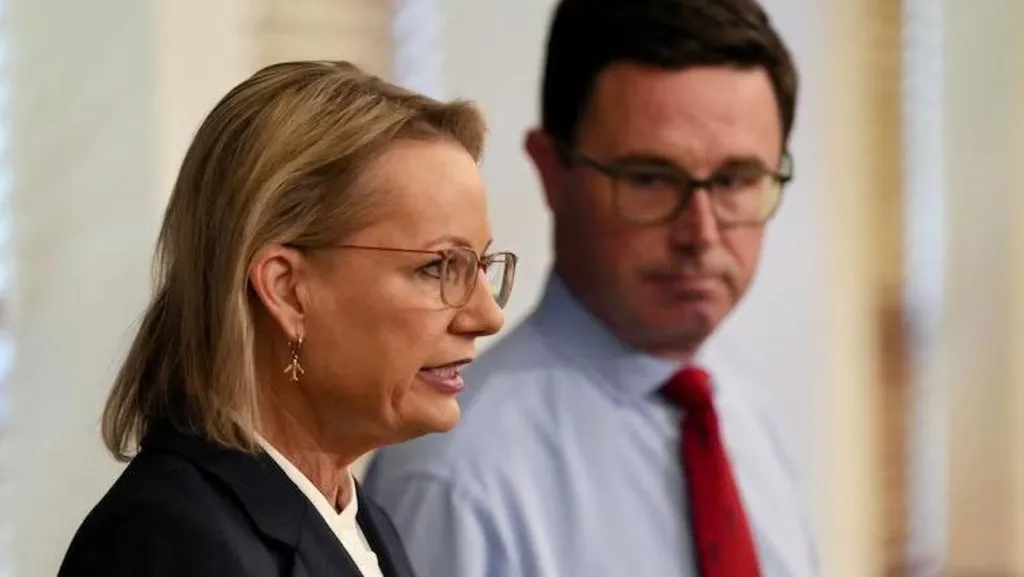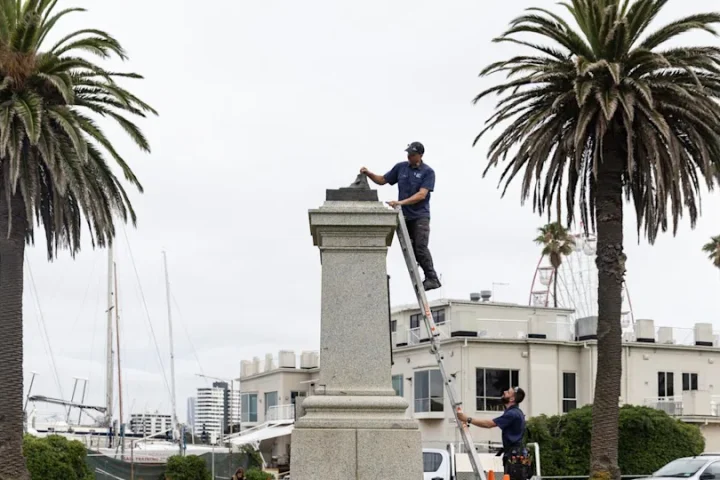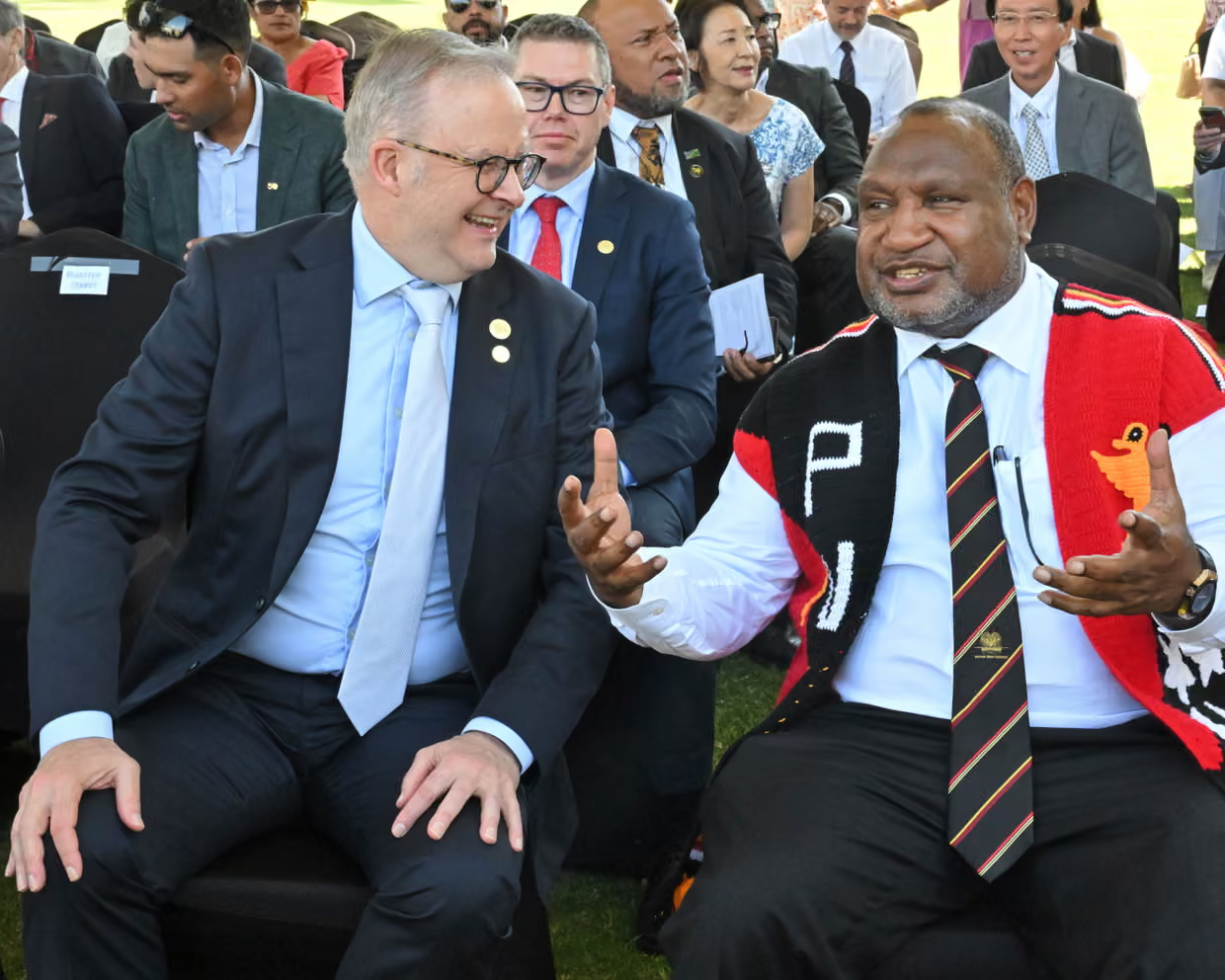
Prominent Australian business leaders and Catholic bishops have joined growing calls for a royal commission after the Bondi attack. An open letter, signed by over 120 figures, demands a Commonwealth inquiry into antisemitism, radicalism, and the events leading to the December 14 terrorist attack at Bondi Beach. This intensifies pressure on Prime Minister Anthony Albanese, who has so far resisted a national royal commission in favor of a departmental review.
Who Is Calling for the Inquiry?
The signatories represent a powerful coalition. They include former Reserve Bank governors Philip Lowe and Glenn Stevens, billionaire James Packer, and ex-Telstra CEO David Thodey. Sporting figures, politicians, and university chancellors also signed. Their letter argues the situation is a “national crisis” requiring a response “beyond politics.”
Separately, Australia’s most senior Catholic bishops issued a similar call. Archbishop Timothy Costelloe stated that while the government’s review is important, a wider inquiry is needed to confront the “deeper roots of antisemitism” in society.
The Government’s Stance and the Richardson Review
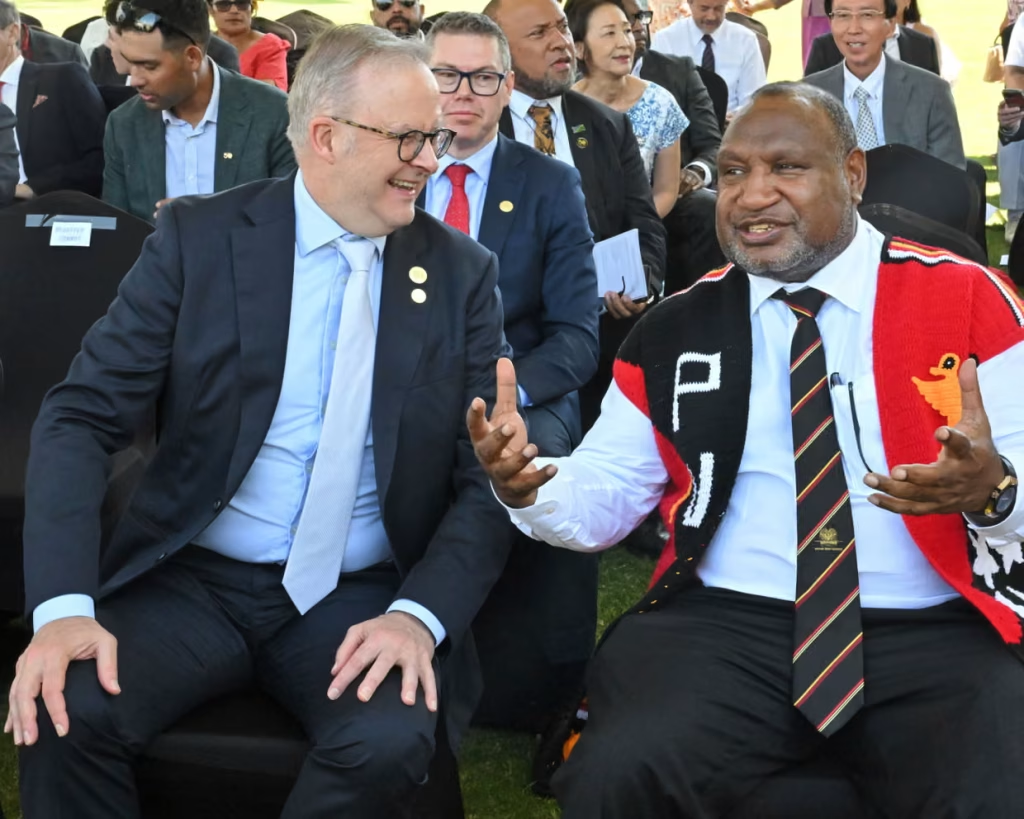
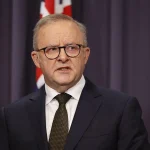
Prime Minister Albanese remains unswayed. He has consistently backed a review led by former ASIO chief Dennis Richardson. This review will examine intelligence and law enforcement responses to the attack. Albanese cites advice from security “experts” against a broader royal commission. However, critics argue only a full, independent commission has the authority and public trust to address systemic issues.
The Broader Context: Rising Tensions
The call follows months of heightened tension. Signatories want an end to “unprecedented harassment, intimidation and violence” against Australian Jews since the October 7 Hamas attacks. The Bondi massacre, which killed several people, has become a focal point for concerns about domestic radicalization and social cohesion.
The New South Wales government will hold a state-based royal commission with federal cooperation. Yet, many argue the issue’s national scale demands a federal-led inquiry.
Why a Royal Commission?
Proponents believe a royal commission is the only mechanism with sufficient power and transparency. It can compel testimony, access classified documents, and provide a comprehensive public account. They argue the Richardson review, while valuable, is too narrow in scope and lacks the independent stature needed to rebuild public confidence.
The unified call from business leaders and bishops for a royal commission signals a profound loss of confidence in the government’s current approach. The debate now centers on whether a technical review of agency responses is enough, or if a broader societal reckoning with antisemitism and extremism is required to truly safeguard Australia’s social fabric. The pressure on Prime Minister Albanese is mounting significantly.