Gold Coast Sets National Apartment Benchmark
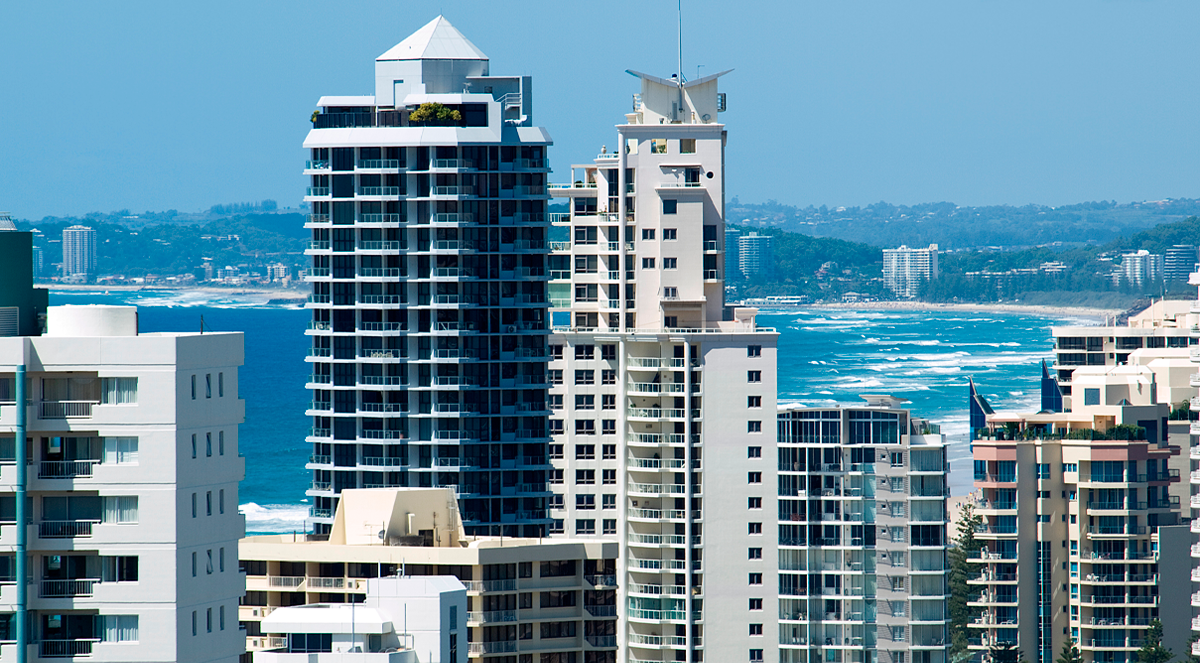
The Gold Coast has reached a new property milestone, setting a national benchmark for apartment prices as the city’s median unit value surpasses Sydney’s for the first time. This marks a profound shift in Australia’s housing landscape, transforming the Queensland city from an affordable coastal getaway into one of the country’s most expensive apartment markets.
According to Ray White’s research division, Neoval, the Gold Coast’s median unit price now sits at $956,000 — higher than Sydney’s $927,000. Ray White Chief Economist Nerida Conisbee called the achievement “an extraordinary milestone for a market once seen as an affordable coastal alternative.”
Why the Gold Coast Apartment Benchmark Matters
While Sydney still leads in house prices, the Gold Coast apartment benchmark underscores how demand across south-east Queensland has surged. A combination of population growth, interest rate cuts, and chronic housing shortages has pushed values to record levels.
Neoval’s data also reveals that the Sunshine Coast has overtaken Sydney to claim second place for median apartment prices, highlighting the strength of Queensland’s coastal property sector. Ms Conisbee noted that the Gold Coast’s housing momentum reaccelerated after three interest rate cuts boosted borrowing power.
“Migration continues to be a major factor,” she said. “The region is attracting new residents from across Australia and overseas, drawn by lifestyle, climate, and improving infrastructure.”
Read Also
- Australia’s Home Prices Surge by Most in Over Two Years in October
- Australia Politics Live: Insults Fly in Extended Senate Question Time
Luxury Growth and Lifestyle Migration
Over the past five years, the Gold Coast has undergone a remarkable transformation. Luxury apartment developments along the coastline have driven much of the city’s growth. Main Beach now records a median unit price of $1.73 million — an increase of $880,000 in ten years. Burleigh Heads and Palm Beach follow closely, with median gains of $760,000 and $740,000 respectively.
“These results underline how the Gold Coast’s prestige markets have powered its growth cycle,” Conisbee said. Suburbs such as Miami, Coolangatta, Mermaid Waters, and Paradise Point have also seen median price gains of between $670,000 and $700,000 since 2015, confirming the city’s broad property strength.
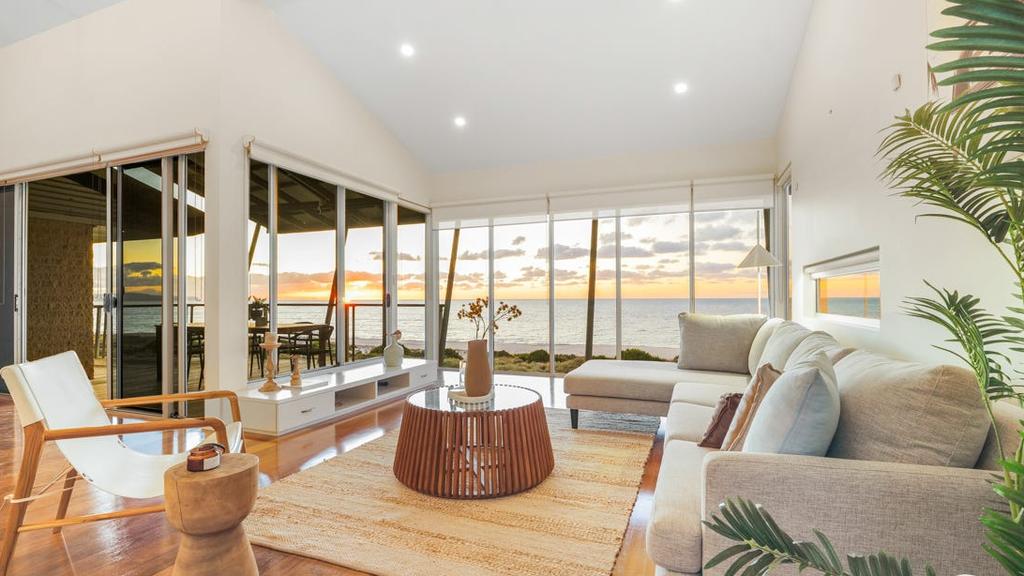
Demand remains high among downsizers and interstate buyers from Sydney and Melbourne who want premium beachfront living. Developers are meeting this demand with resort-style apartment projects offering spacious layouts and luxury amenities.
Investor and First-Home Buyer Activity
Investor lending in Queensland has surged to record highs, fuelled by rising rents and limited vacancy rates. Many investors are targeting the Gold Coast’s high-yield suburbs, hoping to benefit from both rental income and capital growth.
At the same time, first-home buyers are returning to the market thanks to government incentives and cheaper loans. Many are purchasing smaller apartments that were once used as holiday rentals and converting them into permanent homes. Conisbee said this shift is reshaping the city’s character. “Areas once dominated by short-stay accommodation now have a more permanent residential feel,” she explained.
Tight Supply Challenges
Despite booming demand, housing supply in the region remains critically tight. “The last time we saw enough homes built in Australia was in 2007, and the backlog has only grown since,” Conisbee noted.
Construction timelines have lengthened, costs remain elevated, and completions continue to fall. “While costs are starting to moderate nationally, they remain high in Queensland, limiting the viability of lower-priced developments,” she added.
New projects under $750,000 are now nearly impossible to deliver without significant incentives or flexible planning rules. High construction costs, limited land, and delivery delays will continue to restrict new apartment supply. Even if interest rates fall further, it is unlikely that new stock will arrive fast enough to ease price pressure.
The Outlook for the Gold Coast Apartment Market
For now, the Gold Coast apartment benchmark leads the nation, and experts believe that dominance will persist through 2026. “Price growth may moderate as more projects are completed,” Conisbee said, “but without a major increase in construction, the imbalance between demand and supply will remain the defining feature of the market.”
The city’s evolution from an affordable coastal retreat into Australia’s luxury apartment capital shows no sign of slowing. As migration continues, infrastructure expands, and investor confidence stays strong, the Gold Coast is poised to remain the country’s benchmark for high-value apartment living.