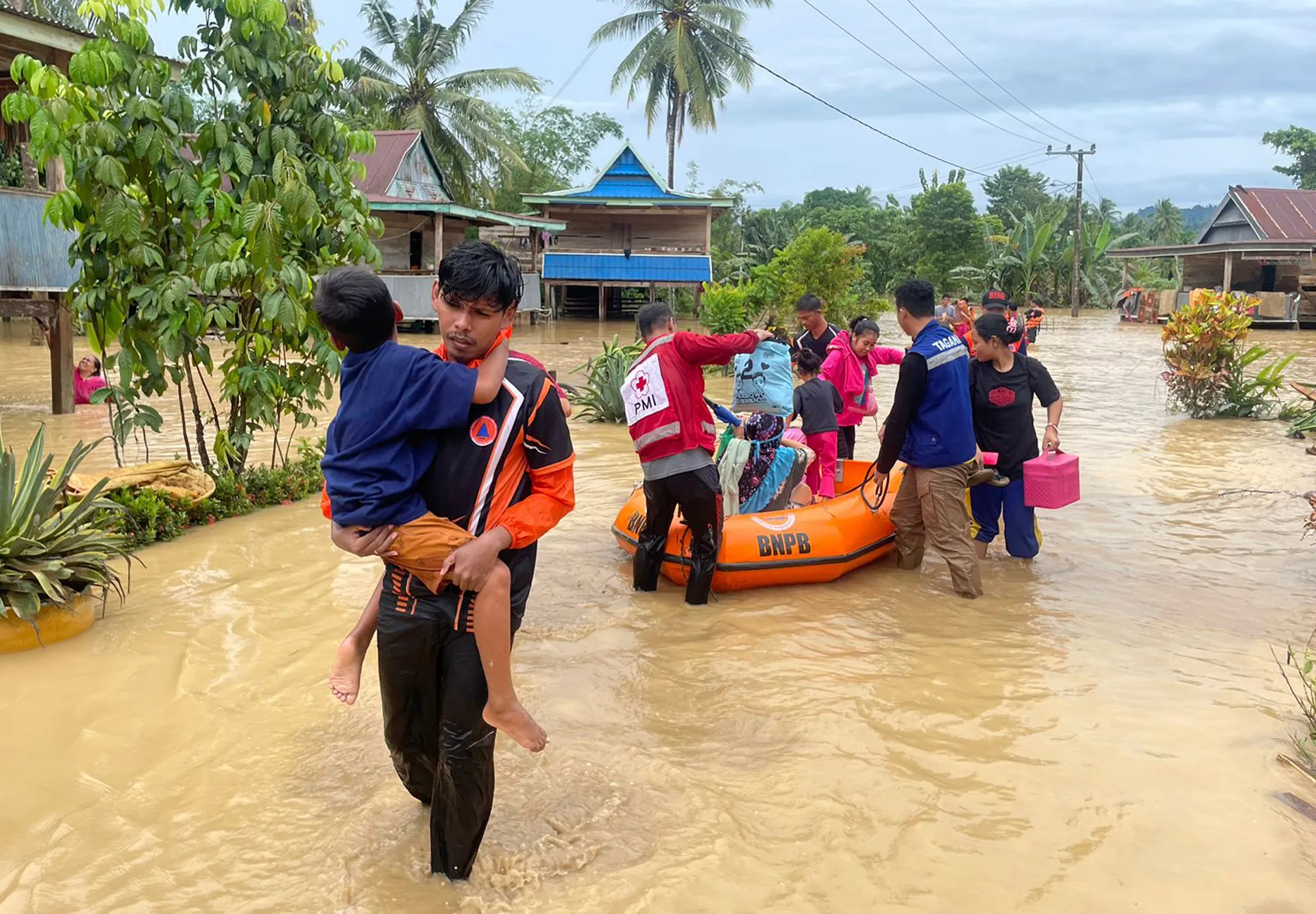
Severe monsoon rains have triggered catastrophic flooding across several countries in South East Asia, leaving hundreds of people dead, missing, or displaced as rescue teams struggle to reach the hardest-hit communities. The widespread devastation has overwhelmed local authorities, disrupted transportation networks, and sparked urgent appeals for international assistance as more storms threaten to intensify conditions in the coming days.
The deadly flooding is the result of weeks of relentless rainfall fueled by seasonal monsoon systems, tropical storms, and saturated river basins. Vast regions across Vietnam, Thailand, Myanmar, Cambodia, Laos, and the Philippines have reported overflowing rivers, landslides, and submerged towns. Villages have been cut off by washed-out roads and collapsed bridges, forcing residents to flee to temporary shelters or cling to rooftops awaiting rescue.
Rising Death Toll Across Multiple Countries
Authorities confirm that the confirmed death toll across the region continues to climb as rescue teams recover bodies from submerged homes, vehicles, and collapsed structures. Many victims are believed to have been swept away by sudden flash floods or trapped by landslides triggered by unstable, rain-soaked hillsides.
Vietnam has experienced some of the most destructive impacts, with numerous provinces reporting entire neighborhoods under water and dozens of deaths recorded within a matter of days. In Thailand, troops and emergency workers have been deployed to evacuate stranded families while the government warns that water levels could rise further due to dam releases upstream.
Myanmar and Laos are also grappling with large-scale devastation, with hundreds reported missing in remote villages where communication lines have been destroyed. Heavy flooding in northern Myanmar has forced thousands to flee their homes while complicating ongoing humanitarian operations in conflict-affected regions.
Regional Infrastructure Overwhelmed
Transport networks across South East Asia are facing unprecedented strain. Major highways have been submerged, rail lines severed, and airports forced to cancel flights due to severe weather conditions. Rivers that usually support trade and daily movement have turned into dangerous flood channels, carrying debris, uprooted trees, and destroyed property downstream.
Dams and reservoirs are nearing capacity, prompting controlled water releases that may further inundate low-lying communities. Emergency officials warn residents to remain alert as forecasts indicate additional rainfall in several of the already flooded areas.
Humanitarian Crisis Deepens
Beyond the immediate fatalities and missing persons, the floods have triggered a growing humanitarian crisis. Thousands of families are sheltering in makeshift evacuation centers where food, clean water, and medical supplies are running low. Outbreaks of waterborne diseases pose an increasing threat, especially in areas where sanitation systems have collapsed.
Aid agencies are mobilizing, but access remains a major challenge. Remote areas in Laos, Myanmar, and Cambodia remain unreachable due to persistent flooding and landslides. Helicopters and boats are being deployed where possible, but officials acknowledge that many communities have not yet been reached.
Economic and Agricultural Losses Mount
The economic impact is expected to be severe. Floodwaters have ravaged rice paddies, plantations, livestock farms, and fisheries across the region. Damage to crops could lead to food shortages and higher market prices in the coming weeks. Manufacturing hubs in parts of Vietnam and Thailand have suspended operations as factories remain submerged or inaccessible.
Governments across South East Asia are assessing long-term damage to public infrastructure, including schools, hospitals, power lines, and water treatment facilities. Reconstruction is expected to take months, if not years, depending on the severity of the ongoing storms.
Climate Change Concerns Return to Focus
Scientists and climate experts note that severe flooding events in the region have become more frequent and intense due to rising global temperatures, unpredictable monsoon patterns, and stronger tropical storm systems. Many are calling for renewed investment in climate resilience, improved drainage systems, and coordinated regional disaster management strategies.
The flooding has rekindled debates about urban planning, deforestation, and land-use policies that may have worsened the scale of destruction. Environmental groups warn that without urgent reforms, similar crises will continue to unfold in the coming years.
Governments Brace for More Rain
Meteorological agencies warn that additional heavy rainfall is expected, with new storm systems forming over the South China Sea. Emergency alerts have been issued in several countries, urging residents in flood-prone areas to relocate before conditions worsen.
Regional leaders are expected to meet within the week to coordinate relief efforts and explore joint strategies for disaster response. For now, communities across South East Asia are focused on survival as they await rescue, relief, and clearer weather.