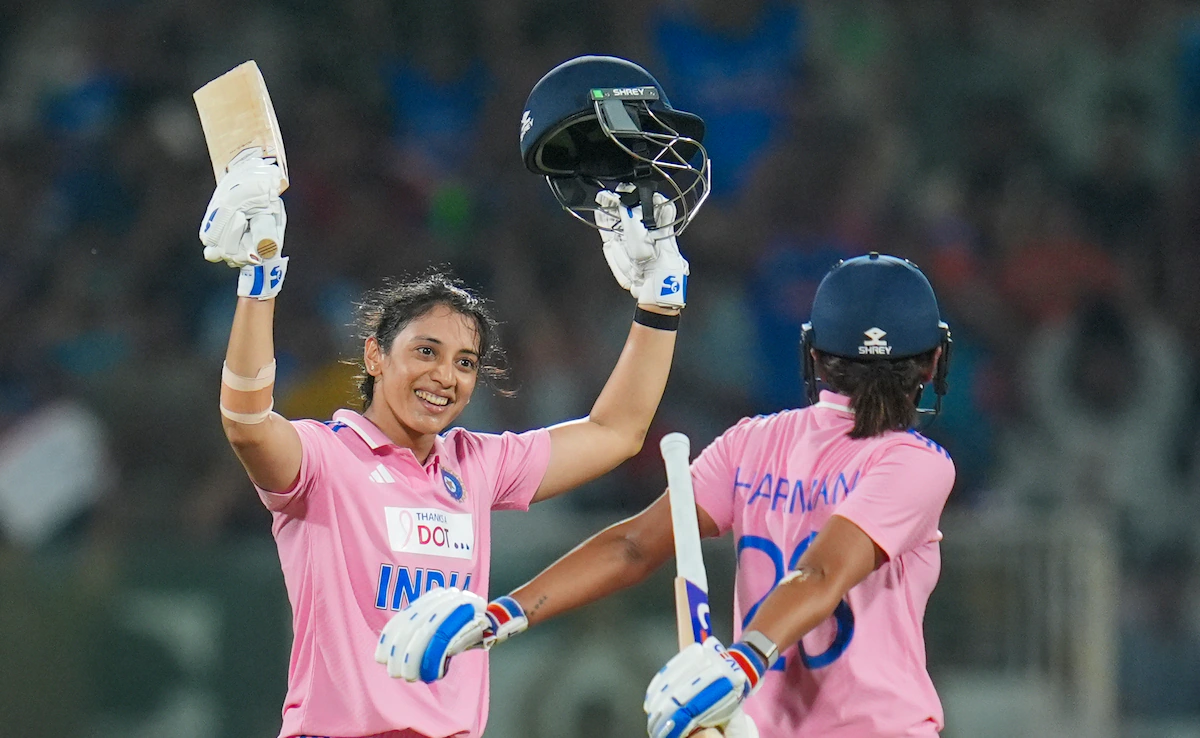
The 3rd ODI between India and Australia, held at the iconic Sydney Cricket Ground on October 25, 2025, was nothing short of a thrilling encounter that showcased the evolving dynamics of both teams. With the series tied at 1-1, this match carried immense significance, not only because it would determine the series winner, but also because it served as a crucial preparation for the upcoming ICC Men’s World Cup 2026. Consequently, both sides approached the game with heightened focus and strategy, knowing that any lapses could prove costly.
Pre-Match Anticipation
The Indian squad, led by Shubman Gill, entered the match with a balanced mix of experience and youthful talent. Moreover, the inclusion of seasoned players such as Rohit Sharma added depth to the batting lineup. The returning Virat Kohli, who had been away from international cricket for four months, also generated a wave of excitement among fans and teammates alike. Kohli’s return was anticipated to provide leadership and stability to the Indian batting order. In addition, his ability to anchor the innings while accelerating when required was seen as a critical factor that could influence the match outcome. According to The Times of India, Kohli’s comeback infused the team with renewed confidence, and many analysts considered his presence a potential game-changer.
On the other hand, Australia, captained by Pat Cummins, fielded a formidable side featuring key players like David Warner, Steve Smith, and Travis Head. The team had a strong combination of aggressive batsmen and experienced bowlers capable of exploiting different conditions. Consequently, the match was widely expected to be closely contested, with both teams eager to gain the upper hand and claim the series. Furthermore, the home advantage played a significant role for Australia, as the players were well-acquainted with the pitch conditions at the SCG.
Match Summary
Australia won the toss and elected to bat first, aiming to set a challenging total. Initially, David Warner and Travis Head provided a solid foundation for the innings. Warner, in particular, played with controlled aggression, scoring a brisk 72 runs off 58 balls, including 10 boundaries. Meanwhile, Head supported the innings with a steady contribution of 45 runs. However, as the innings progressed, the Australian middle order faced significant challenges against India’s spinners. Ravindra Jadeja and Kuldeep Yadav bowled with precision, picking up crucial wickets at regular intervals and applying pressure on the batting side. Consequently, the Australian innings, while competitive, did not reach the heights it could have. They eventually finished at 287/8 in 50 overs, providing a target that was attainable yet challenging for India.
In response, India’s innings began cautiously, with Shubman Gill and Rohit Sharma taking measured approaches against the Australian attack. Rohit Sharma, in particular, anchored the innings with a composed 85 runs off 92 balls, demonstrating resilience and technique under pressure. In addition, Gill contributed 40 runs, providing support at the other end. However, the Indian middle order eventually succumbed to the pressure created by Australia’s bowlers, especially Mitchell Starc, who exploited the pitch conditions to perfection. Starc’s pace, swing, and accuracy resulted in crucial breakthroughs that disrupted India’s chase. Consequently, India was all out for 245 runs in 48.3 overs, handing Australia a 42-run victory and securing a 2-1 series lead.
Key Performances
Several individual performances stood out in the match, highlighting both the strengths and weaknesses of the respective teams.
- David Warner (Australia): Warner’s aggressive 72 runs set the tone for Australia’s innings. Moreover, his ability to rotate the strike and find boundaries at crucial moments proved vital in establishing a competitive total.
- Mitchell Starc (Australia): Starc claimed 3 wickets for 42 runs, demonstrating the impact of an experienced bowler in a pressure situation. His incisive spells at critical junctures played a decisive role in India’s middle-order collapse.
- Rohit Sharma (India): Sharma’s composed 85 runs showcased his ability to hold the innings together under duress. However, despite his efforts, lack of support from the middle order limited India’s chances of victory.
- Ravindra Jadeja (India): Contributing with both bat and ball, Jadeja took 2 wickets for 45 runs and played a key role in restricting Australia’s scoring in the middle overs.
Post-Match Analysis
Australia’s victory underscored their depth and balance in both batting and bowling. In particular, the middle order’s ability to recover from challenging situations and accelerate when required was commendable. Additionally, the performance of Mitchell Starc highlighted the importance of having experienced bowlers in tight matches. Consequently, Australia emerged as the stronger side in terms of adaptability and execution.
On the other hand, India’s chase was marred by a sudden middle-order collapse, emphasizing the need for greater stability in the batting lineup. While Rohit Sharma’s innings was a positive takeaway, the team will need to address the fragility in the middle order to compete effectively in future matches. In addition, analysts have noted that reliance on the top two batsmen alone is unsustainable, particularly in high-stakes encounters. Therefore, finding consistent contributions from the middle order will be critical for India’s success moving forward.
Furthermore, the match highlighted the evolving dynamics of international cricket, where strategy, adaptability, and mental resilience play a central role. Both teams demonstrated moments of brilliance, yet it was Australia’s consistency under pressure that ultimately determined the outcome. Consequently, lessons from this match will likely shape team preparations and player development for upcoming tournaments, including the ICC Men’s World Cup 2026.
Looking Ahead
With the series concluded, both teams will now shift focus toward the ICC Men’s World Cup 2026. Australia’s victory provides them with momentum and confidence, which could prove advantageous in the long run. On the other hand, India, while disappointed, will have the opportunity to analyze their shortcomings and address key areas of improvement. In particular, strengthening the middle-order batting and enhancing finishing abilities under pressure will be crucial.
Moreover, both teams will need to consider the physical and mental conditioning of players, as tournaments like the World Cup demand peak performance over extended periods. Consequently, strategies involving player rotation, fitness management, and tactical planning will become central to achieving success.
In conclusion, the 3rd ODI between India and Australia was a testament to the competitive spirit, skill, and resilience of both teams. Despite the series outcome, the match provided valuable insights into player performances, team dynamics, and areas requiring improvement. Furthermore, the thrilling contest served as a reminder that in cricket, adaptability, strategic execution, and mental toughness are as important as individual brilliance. As both teams move forward, the lessons learned from this encounter will be crucial in shaping their preparations for the ICC Men’s World Cup 2026, ensuring that they are well-equipped to face the challenges ahead.