One month after Australia’s landmark social media ban for under-16s took effect, the impact is deeply personal and varied. For teens like 14-year-old Amy, the change brought a sense of freedom from compulsive checking and “streaks.” For others, like 13-year-old Aahil, daily habits remain largely unchanged through workarounds. The national experiment reveals a complex picture of adaptation, evasion, and shifting digital behaviors.
Personal Journeys: From “Addiction” to “Freedom”
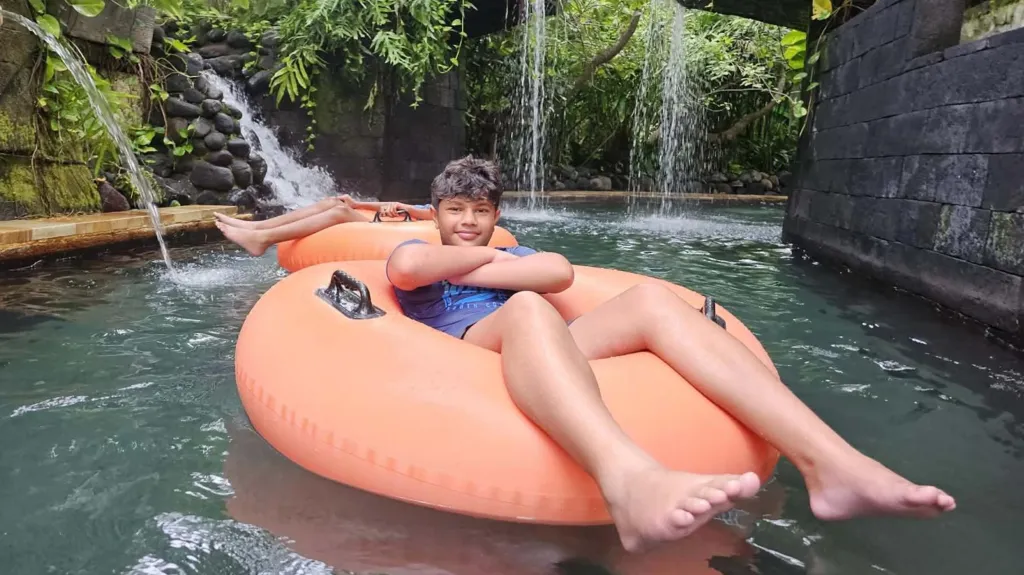
Amy, a Sydney teen, documented her first week in a diary. Initially, she instinctively reached for Snapchat each morning. By day four, however, she questioned its “magnetic pull.” The pressure to maintain Snapchat streaks—daily photo exchanges—had lifted. A month later, she reports her phone use has halved. She now reads, exercises, and crochets more. “I feel free,” she told the BBC. Conversely, Aahil spends the same 2.5 hours daily on social platforms. Using fake birthdates, he retains access to Snapchat and YouTube, shifting more time to unbanned platforms like Roblox and Discord.
The Psychology of Adaptation and Loss
Consumer psychologist Christina Anthony explains the varied reactions. For some, social media is a key coping mechanism for boredom and anxiety. Removing it can cause short-term irritability. However, teens then often find new strategies. Anthony notes the core appeal is “shared attention” with peers. When that collective engagement fades, platforms lose their allure, explaining why some disengage even with technical access.
Platform Shifts and Workarounds
The ban sparked immediate surges in alternative app downloads. Platforms like Lemon8, yope, and Coverstar saw spikes, though interest later declined. Messaging apps WhatsApp and Messenger also gained use as teens sought new ways to connect. VPN downloads briefly rose but fell back, as they offer limited appeal; creating new accounts means losing all existing connections and content.
The Gaming Loophole and Regulatory Debate
A significant omission from the ban is gaming and messaging platforms like Discord, Roblox, and Minecraft. Experts note these can function similarly to social media, presenting similar risks. Mark Johnson of the University of Sydney says switching is possible but requires more technical and cultural knowledge than mainstream social apps. This loophole remains a point of contention among critics.
Government Perspective and Global Attention
The government, citing online bullying, predators, and harmful content, fines non-compliant platforms up to A$49.5 million. A spokesperson for Communications Minister Anika Wells stated the ban is “making a real difference” and that global leaders are watching the Australian model. The eSafety Commissioner will soon release data on deactivated accounts. For official updates, families can refer to the eSafety Commissioner’s guidance.
A Parent’s Cautious Outlook
Parents report mixed experiences. Amy’s mother notes her daughter seems more content and self-sufficient, though she wonders if it’s the ban or just quiet holidays. Aahil’s mother observes he is “moodier” and more immersed in gaming, highlighting the complex trade-offs between different screen activities.
A Social Experiment in Progress
One month in, Australia’s social media ban is a study in adaptation and unintended consequences. While some teens experience genuine digital detox and rediscover offline interests, others migrate to unbanned platforms or use simple workarounds. The true test will come as the school year resumes, bringing social pressures back to full force. The government’s hope for a generation more engaged in sports, books, and instruments is only partially realized. Ultimately, the ban has successfully disrupted habits for many, but it has also revealed the resilient and resourceful nature of digital-native teens in navigating restrictions. The long-term psychological and social impacts remain to be seen.