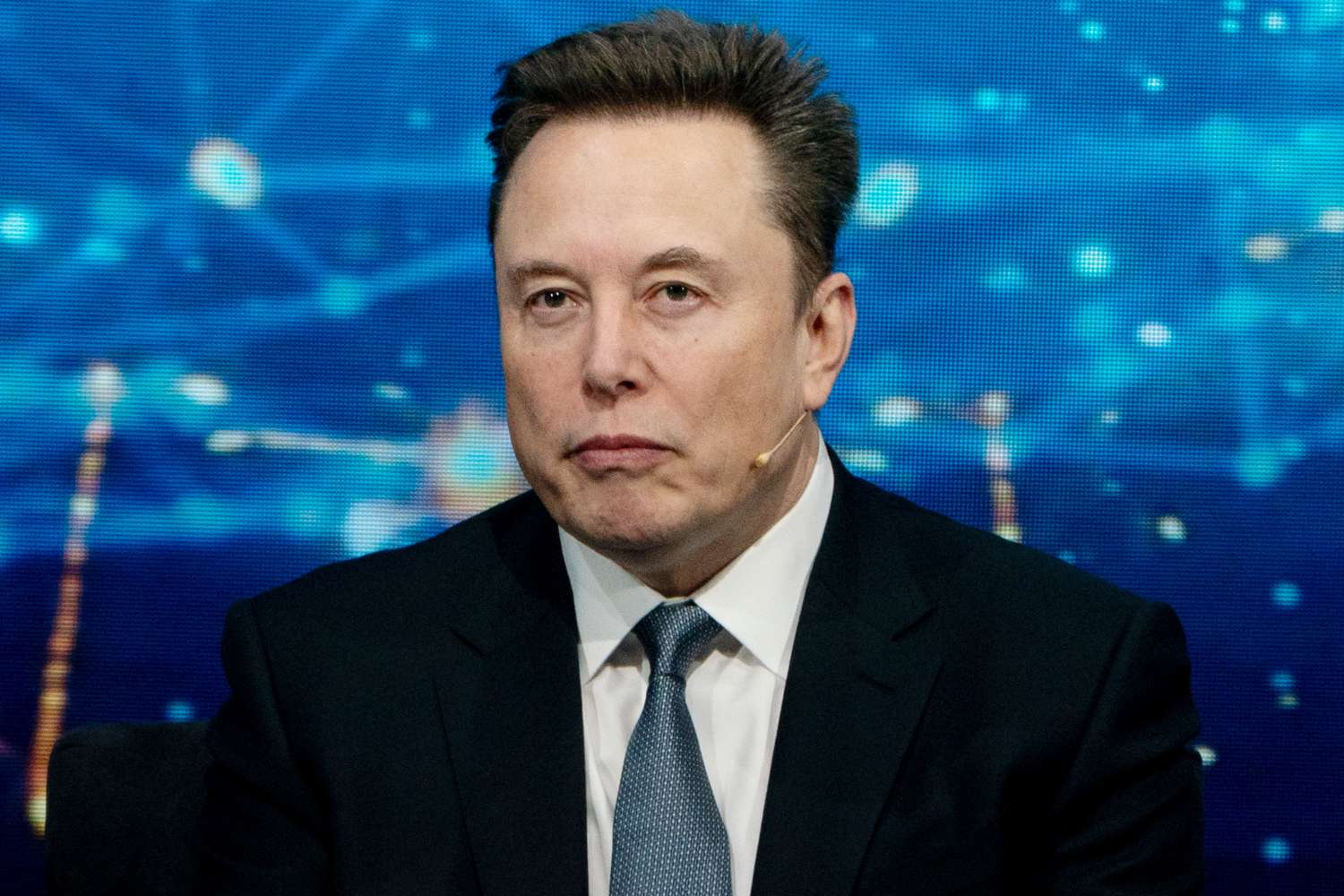
Elon Musk wealth has entered a new chapter after SpaceX’s historic Nasdaq debut pushed his estimated fortune beyond $1 trillion.
The milestone makes Musk the first person publicly recognised as a trillionaire, according to Forbes, and places him in a financial category no modern business figure had previously reached.
SpaceX’s listing was already expected to be one of the biggest market events in history. The company priced its shares at $135 before opening higher at around $150, with strong demand sending the rocket, satellite and space technology group above the $2 trillion valuation level during trading.
For Musk, the listing transformed the value of his SpaceX stake. His wealth had long depended heavily on Tesla, but SpaceX has now become the central engine behind his trillionaire status.
The moment is about more than one entrepreneur. It signals how public markets are valuing future-facing industries such as space infrastructure, satellite broadband, artificial intelligence, robotics, defence technology and advanced communications.
The world has now entered the trillionaire era, and SpaceX is the company that opened the door.
Quick Facts About Elon Musk’s Trillionaire Milestone
| Category | Detail |
|---|---|
| Person | Elon Musk |
| New status | World’s first trillionaire |
| Main trigger | SpaceX IPO |
| Exchange | Nasdaq |
| IPO price | $135 per share |
| Opening price | Around $150 per share |
| IPO proceeds | About $75 billion |
| SpaceX valuation | Above $2 trillion during trading |
| Main wealth sources | SpaceX, Tesla and other ventures |
| Forbes estimate | Above $1 trillion after SpaceX debut |
| Key theme | Technology wealth reaching a new scale |
Why This Moment Is Historic
Elon Musk becoming a trillionaire is historic because it changes the scale of personal wealth.
For decades, billionaire status represented the highest level of business success. A trillion-dollar fortune was discussed more as a prediction than a reality.
SpaceX’s public listing changed that.
The IPO gave investors a market price for a company that had spent years as one of the world’s most valuable private businesses. Once public trading began, the value of Musk’s ownership stake became easier to estimate and large enough to push him above the trillion-dollar mark.
The milestone also reflects the rise of founder-led technology empires.
Musk is not wealthy because of one product or one company. His fortune is tied to several industries that investors believe could shape the future: electric vehicles, rockets, satellite internet, artificial intelligence, autonomous systems and space exploration.
That combination has created a level of wealth that earlier industrialists could hardly imagine.
SpaceX’s IPO Changed the Wealth Rankings Overnight
Before the IPO, SpaceX was already a giant in private markets.
The company had built a dominant position in commercial rocket launches, expanded Starlink into a global satellite internet business and developed deep relationships with government and defence customers.
But private valuations are not the same as public market prices.
When SpaceX began trading on the Nasdaq, the company’s value was tested by the market. Investor demand proved strong, and the stock opened above its IPO price.
That move immediately lifted Musk’s estimated fortune.
Forbes’ declaration of Musk as the first trillionaire was based largely on the value of his SpaceX stake after the stock began trading.
This is why the IPO mattered so much. It did not simply raise money for SpaceX. It created a public benchmark for one of Musk’s most valuable assets.
How SpaceX Became a $2 Trillion Company
SpaceX’s valuation is based on more than rockets.
The company began as a space launch business, but investors now see it as a broader technology platform. Its activities include reusable rockets, satellite internet, government contracts, orbital systems and future space infrastructure.
Starlink is one of the most important parts of that story.
Satellite broadband gives SpaceX a recurring-revenue business with global reach. If Starlink continues to grow, it could become one of the world’s most important communications networks.
SpaceX also benefits from its leadership in launch capability.
Reusable rockets have lowered costs and strengthened the company’s position against competitors. Governments, companies and research institutions increasingly depend on satellite access, launch capacity and orbital services.
The company’s valuation reflects investor belief that space infrastructure will become more important in the global economy.
That belief is powerful, but it also creates high expectations.
Why Investors Rushed Into SpaceX
Investor enthusiasm for SpaceX came from several forces.
First, SpaceX is seen as a category leader. It has built technical advantages in rocket reuse, launch frequency and satellite deployment.
Second, the company operates in markets that feel strategic. Space, communications and defence-linked technology are becoming more important to governments and businesses.
Third, Starlink gives the business a consumer and enterprise growth story beyond rocket launches.
Fourth, Musk’s track record attracts investors who believe he can build companies in markets others consider too difficult.
Finally, the IPO arrived at a time when investors are still hungry for high-growth technology stories.
That combination created extraordinary demand.
But demand does not remove risk. It only shows that many investors are willing to pay a premium for the possibility of long-term dominance.
The Risks Behind the Trillionaire Headline
The trillionaire milestone is dramatic, but it comes with real financial questions.
SpaceX’s valuation is extremely high. A company valued above $2 trillion must deliver growth, revenue and profitability strong enough to justify that price over time.
Space projects are expensive. Satellite networks require constant investment. Rocket development carries technical risk. Government contracts can shift. Competition can increase. Regulation can change.
There is also the issue of Musk’s management load.
Musk is connected to Tesla, SpaceX, xAI, X, Neuralink and other ventures. Investors may ask whether one person can remain effective across so many demanding businesses.
Another risk is volatility.
Musk’s wealth is mostly paper wealth. It depends on share prices and company valuations. If SpaceX or Tesla shares fall, his net worth could drop below $1 trillion quickly.
That means the title of “world’s first trillionaire” is historic, but not permanent.
Elon Musk’s Wealth Is Not Cash
It is important to understand what Musk’s wealth means.
A trillion-dollar net worth does not mean he has $1 trillion in cash.
Most of his fortune is tied to shares, stock options and ownership stakes. These assets are valuable because markets and investors assign value to the companies behind them.
If SpaceX trades higher, Musk’s wealth rises. If it trades lower, his wealth falls.
This is common among billionaires and founders. Their wealth usually exists on paper, not as money sitting in a bank account.
Still, paper wealth can carry real influence.
It can support borrowing, investment decisions, philanthropy, acquisitions and corporate control. It also gives founders enormous economic and cultural power.
That is why Musk’s trillionaire milestone matters even though much of the wealth is not liquid.
What This Means for the IPO Market
SpaceX’s public listing may reshape the IPO market.
The company raised about $75 billion, making the offering one of the largest in history. That scale shows that investors are still willing to support huge public listings when the company offers a powerful growth story.
The IPO may encourage other major private technology companies to consider public debuts.
Artificial intelligence firms, robotics companies, defence technology groups and space-related businesses may see SpaceX as proof that public markets can still absorb massive offerings.
However, the deal also increases pressure on Wall Street.
If SpaceX performs well, it could reopen the door for more mega-IPOs. If it disappoints, investors may become more cautious about high-valuation technology listings.
The SpaceX IPO is therefore a test case for the next generation of public market giants.
What This Means for Tesla
Tesla remains central to Musk’s empire, but SpaceX’s listing changes the balance.
For years, Tesla was the main public market expression of Musk’s vision. Investors who wanted exposure to Musk had few direct alternatives.
Now they have SpaceX.
That may shift attention, capital and expectations.
Some investors may see SpaceX as the more exciting long-term platform because it combines rockets, satellites and strategic infrastructure. Others may still prefer Tesla because of electric vehicles, energy, autonomy and robotics.
The relationship between Tesla and SpaceX will now be watched more closely.
Both companies depend heavily on Musk’s leadership and public image. Any change in investor confidence toward one company could affect how markets view the wider Musk ecosystem.
What This Means for SpaceX Employees and Early Investors
The IPO is also a major event for SpaceX employees and early investors.
A public listing can turn years of private-company equity into tradable shares. That can create major wealth for early staff, executives and backers.
Employees who joined SpaceX during riskier years may now see the financial reward for helping build one of the world’s most important technology companies.
Early investors also benefit from the company’s long rise.
SpaceX was once seen as an ambitious and uncertain bet. Today, it is a public company valued among the world’s giants.
That transformation shows how patient private capital can produce enormous returns when a company becomes a market leader.
The Bigger Debate: Innovation or Inequality?
Musk becoming a trillionaire will not be seen the same way by everyone.
Supporters will argue that the milestone rewards extraordinary innovation. They will point to reusable rockets, satellite internet, electric vehicles and the creation of industries that did not exist at the same scale before Musk’s companies pushed them forward.
Critics will focus on wealth concentration.
A personal fortune above $1 trillion raises serious questions about inequality, taxation, labour, public subsidies, government contracts and the influence of private billionaires over strategic infrastructure.
Both views will shape the discussion.
The SpaceX IPO is a business event, but it is also a political and social moment. It forces people to think about who benefits most when future technologies become extremely valuable.
That debate will not end with the first day of trading.
How Musk’s Trillionaire Status Could Change Public Perception
Musk was already one of the most famous business figures in the world.
Becoming a trillionaire makes his public profile even larger.
Every decision he makes at SpaceX, Tesla, X or xAI will now be viewed through the lens of his unmatched wealth. Supporters may see him as the ultimate entrepreneur. Critics may see him as a symbol of excessive concentration of power.
This could affect how regulators, politicians, investors and the public respond to his companies.
SpaceX is especially sensitive because it operates in areas linked to national security, communications and space infrastructure.
The more valuable and influential the company becomes, the more scrutiny it will face.
Why the Trillionaire Era Starts With Space
It is fitting that the first trillionaire milestone is linked to space.
Space has always represented ambition, risk and the future. It requires huge capital, advanced engineering and long-term thinking.
For decades, space exploration was dominated by governments. SpaceX helped turn it into a commercial market with private capital and public investor interest.
That shift is now reflected in Musk’s wealth.
The market is not only valuing what SpaceX does today. It is valuing what investors believe space could become tomorrow.
That includes satellite networks, launch systems, lunar missions, Mars ambitions, orbital manufacturing, data infrastructure and defence applications.
Whether all those opportunities become reality remains uncertain.
But the market has made one thing clear: it believes the space economy could be enormous.
Key Takeaways
- Elon Musk has become the world’s first publicly recognised trillionaire.
- Forbes declared the milestone after SpaceX began trading on the Nasdaq.
- SpaceX priced its IPO at $135 per share.
- The stock opened around $150 and moved higher during trading.
- The IPO raised about $75 billion.
- SpaceX’s valuation moved above $2 trillion during early trading.
- Musk’s wealth is mainly tied to SpaceX, Tesla and other company stakes.
- His fortune is mostly paper wealth, not cash.
- SpaceX’s valuation reflects investor belief in rockets, Starlink, satellites and future space infrastructure.
- The IPO could influence other major technology companies considering public listings.
- The milestone raises debates about innovation, wealth concentration and private control of strategic technology.
- Musk’s trillionaire status can change if SpaceX or Tesla share prices move sharply.
Frequently Asked Questions
Why did Elon Musk become a trillionaire?
Elon Musk became a trillionaire because SpaceX’s IPO created a public valuation for his large stake in the company, pushing his estimated net worth above $1 trillion.
What company made Elon Musk a trillionaire?
SpaceX was the main company behind Musk’s trillionaire milestone after its Nasdaq debut.
What was the SpaceX IPO price?
SpaceX priced its IPO at $135 per share.
How much did SpaceX raise in its IPO?
SpaceX raised about $75 billion through the IPO.
What was SpaceX worth after the IPO?
SpaceX traded at a valuation above $2 trillion during its market debut.
Is Elon Musk’s trillion-dollar fortune in cash?
No. Most of Musk’s fortune is tied to shares, options and company valuations, especially SpaceX and Tesla.
Can Elon Musk fall below trillionaire status?
Yes. Musk’s net worth can fall below $1 trillion if SpaceX, Tesla or other major holdings decline in value.
Why is SpaceX so valuable?
SpaceX is valuable because of its reusable rockets, Starlink satellite internet business, government contracts and potential role in future space infrastructure.
How does this affect Tesla?
SpaceX’s IPO gives investors another direct way to buy into Musk’s business empire, which may shift some attention away from Tesla while increasing scrutiny of Musk’s leadership across multiple companies.
Why is Musk becoming a trillionaire important?
It is important because it marks the first publicly recognised trillion-dollar personal fortune and shows how technology, space and public markets are creating wealth at unprecedented scale.
Conclusion
Elon Musk’s trillionaire milestone is one of the most significant wealth stories in modern business history.
SpaceX’s Nasdaq debut did more than raise a record amount of capital. It changed the global wealth rankings, pushed Musk into a category no individual had reached before and showed how powerfully investors believe in the future of space-based technology.
The achievement reflects decades of risk, engineering, capital raising and market storytelling. It also brings fresh scrutiny over valuation, inequality, governance and the influence of private technology empires.
Musk’s fortune may rise or fall with SpaceX and Tesla shares, but the significance of this moment is already clear.
The first trillionaire was created not by oil, banking or retail, but by rockets, satellites, electric vehicles and the market’s belief in future infrastructure.
The trillionaire era has begun, and Elon Musk is its first face.