Rising living costs are weighing on Americans ahead of the November 3, 2026 US midterm elections, with households cutting discretionary spending and small businesses struggling with higher operating expenses.
In Lansing, Michigan, interviews conducted by ABC’s 7.30 reveal how those pressures affect everyday decisions: buying a coffee, filling a fuel tank, visiting family or moving out of home.
The accounts offer a local view of an issue with national political significance. They also show why economic frustration does not necessarily translate into a predictable election result. Some residents want political change, while others remain reluctant to vote.
A Weekly Coffee Becomes a Budget Decision
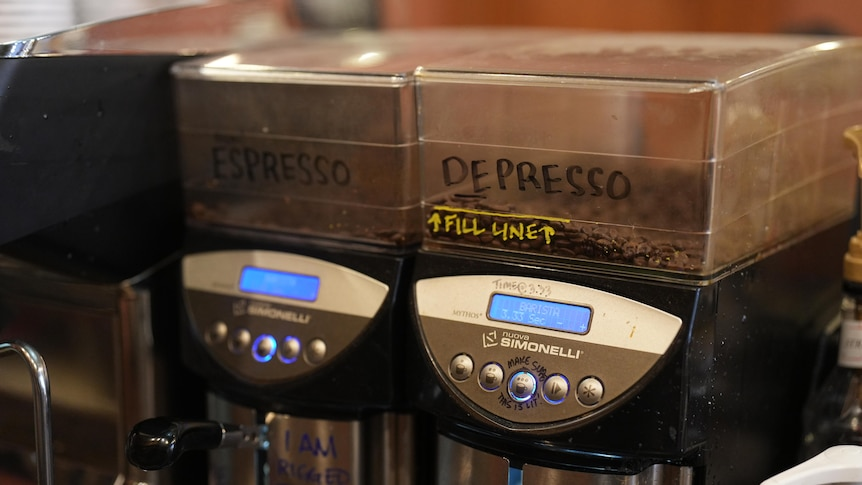
For Lansing delivery driver Nicholas Kolacz, buying coffee has become an occasional expense rather than a frequent routine.
He told ABC that his purchase costs US$10 including a tip. Earning US$17.50 an hour, he now visits the café once a week instead of three or four times.
That coffee represents roughly 34 minutes of gross earnings, before taxes and other deductions. The calculation illustrates his approach to spending: assessing purchases against the time required to earn the money.
His experience is an individual example, not a measure of the average American’s coffee spending. Nevertheless, it captures how a tighter budget can turn a modest routine into a carefully considered purchase.
Small Businesses Face Higher Costs of Their Own
The pressure extends to businesses serving those customers.
Trisha Kosloski, owner of the Hob Nob café in Lansing, told ABC that delivery expenses had increased by an estimated 50% as suppliers passed on higher fuel costs.
She also reported increases of at least 30% in the cost of her coffees following an earlier round of tariffs.
According to Kosloski, higher expenses have squeezed the business’s margins and left both her and many staff members relying on second jobs.
These figures describe the café owner’s experience. They should not be interpreted as independently measured increases across the entire US café industry.
The Difficult Choice Between Prices and Margins
Businesses facing higher input costs have limited options.
They can raise customer prices, absorb the increase through lower margins, reduce expenses or change suppliers and products. Each choice has consequences.
Passing costs on can make customers more cautious about spending. Absorbing them can leave less money available for wages, maintenance and investment.
The Lansing interviews illustrate both sides of that pressure: customers buying less frequently and a business owner reporting little room to absorb further increases.
Tariff Uncertainty Adds to Business Concerns
Trade policy is another source of frustration for business owners interviewed by ABC.
Kosloski attributed part of her coffee-cost increase to tariffs affecting imports and supply chains.
Another Michigan business owner, Josh Mayo, described substantially higher packaging expenses for his legal cannabis business.
He said jars that previously cost between 16 and 20 cents were now costing roughly 35 to 45 cents, depending on the product. Packaging tubes had increased from about 35 cents to between 55 and 65 cents.
Mayo also described difficulties involving imported equipment and uncertainty surrounding tariff announcements.
His account highlights a concern beyond the level of any particular duty: businesses can struggle to plan when they do not know how import costs or border requirements may change.
Tariffs are not the only factor affecting retail prices. Transport, labour, exchange rates, supply conditions and business decisions can also contribute. The interviews establish what these owners experienced and attributed to trade policy, rather than isolating the nationwide effect of any single measure.
Fuel Bills Affect Work and Family Travel
Fuel costs are especially difficult to avoid for people who depend on driving.
The ABC report placed petrol prices at around US$4.30 per gallon at the time of reporting. That is a dated reference point, not a live quotation, and prices vary by location.
For Samson Sprague, a Michigan State University student, the cost means buying fuel in small amounts rather than filling the tank.
Other interviewees described higher expenses when travelling to see family or operating businesses with several vehicles.
Michelle Krebill said the cost of driving to visit her daughter at the University of Kentucky had become a significant consideration.
Tara Lukaart, whose husband operates a plumbing business, described the effect of higher fuel costs across multiple work trucks.
Those examples show why transport expenses can influence more than leisure spending. For some households and businesses, driving is closely tied to employment, education and essential services.
Housing Costs Delay Plans to Move Out
Housing affordability is also shaping decisions among younger adults.
Student Olivia Schneider told ABC that moving in with her partner did not feel financially realistic once rent and household bills were considered.
Her concerns extended beyond the rental payment itself to heating, cooling, electricity, internet and other recurring expenses.
That distinction matters. The affordability of independent living depends on the combined household budget, not simply whether someone can meet the advertised rent.
The interview does not establish a national trend on its own, but it demonstrates how several ordinary bills can collectively prevent a household from taking the next step.
Why Lower Inflation Does Not Necessarily Feel Like Relief
The cost-of-living debate often involves a difference between the rate of inflation and the level of prices.
If inflation slows while remaining positive, prices are still rising—just more slowly.
Households may therefore continue to feel under pressure even when an inflation report shows improvement. Their budgets still reflect earlier increases in rent, food, transport and other necessities.
Income matters as well. A household’s purchasing power depends on how its earnings change relative to its expenses.
For voters, the practical question is often whether they have more money left after paying bills, rather than whether a national indicator has improved.
The Federal Minimum Wage Is Not Every Worker’s Wage
The federal minimum wage remains US$7.25 an hour for covered, non-exempt employees, according to the US Department of Labor.
However, many states have their own minimum-wage laws. Where both federal and state requirements apply, workers are entitled to the higher applicable minimum.
The federal figure should therefore not be presented as the wage earned by every low-paid worker or as Michigan’s applicable minimum in all circumstances.
Michigan’s Seventh District Brings Affordability Into Focus
The Lansing reporting takes place against the backdrop of a competitive congressional contest.
Republican incumbent Tom Barrett faces Democratic challenger William “Will” Lawrence and Green Party candidate Shane Dedrick in Michigan’s Seventh Congressional District.
The general election is scheduled for November 3, 2026.
Financial pressure can influence how voters judge incumbents and challengers. It can also affect which campaign promises receive the most attention, particularly on housing, taxes, wages and everyday expenses.
However, interviews with a small number of residents cannot establish how the district will vote. They offer insight into concerns, not a substitute for representative polling or election results.
Economic Frustration Does Not Guarantee Turnout
One of the clearest contrasts in ABC’s reporting is between dissatisfaction and participation.
Resident Elizabeth Madigan expressed a desire for political change. Business owner Josh Mayo, despite describing rising costs, said he did not intend to vote.
Their responses illustrate why financial frustration cannot automatically be counted as support for either party.
Some voters may hold officeholders responsible. Others may disagree about the causes of higher costs, favour different policies or feel that neither party offers an adequate answer.
The election’s outcome will depend partly on whether those views motivate people to cast ballots.
What the Michigan Interviews Reveal
The accounts point to several overlapping pressures:
| Pressure | Experience described in the reporting |
|---|---|
| Discretionary spending | Fewer café visits and reduced non-essential purchases |
| Business inputs | Higher reported coffee and packaging costs |
| Transport | Smaller fuel purchases and more expensive work travel |
| Housing | Delayed plans to establish an independent household |
| Financial uncertainty | Difficulty planning around changing import costs |
| Political response | A mixture of demands for change and disengagement |
Together, these experiences explain why affordability can remain politically powerful even when households face different circumstances.
A delivery driver, café owner, student and employer may encounter different bills, but each evaluates the economy through the effect on their own budget.
Affordability Becomes a Test for Candidates
As election day approaches, candidates face the challenge of explaining how their policies would address the pressures voters describe.
The Michigan reporting shows that the issue is broader than the price of any single product. It concerns the cumulative cost of maintaining a household, running a business and participating in everyday life.
The interviews do not determine the outcome of the midterms. They show why, for many people, the economic debate begins with a simpler question: how much remains after the bills are paid?
Read Also: Severe storms threaten eastern Australia as cold front moves through major cities