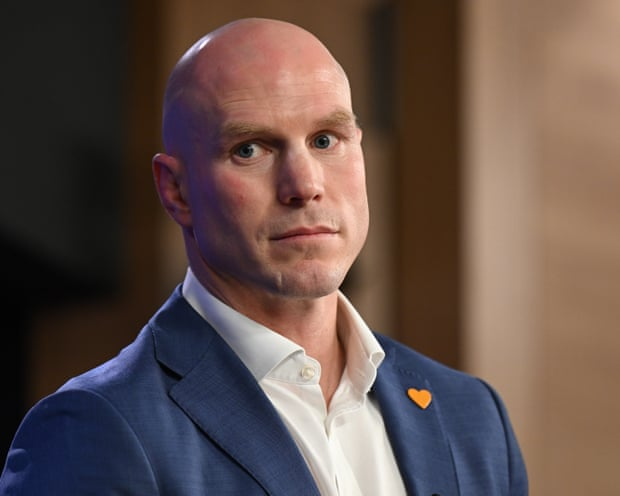
Independent senator David Pocock has challenged Australia’s pesticides regulator over its decision to keep paraquat available, intensifying scrutiny of a weedkiller associated in scientific research with Parkinson’s disease.
The dispute centres on whether tighter handling rules adequately address the chemical’s risks—and whether the regulatory review gave sufficient weight to evidence concerning long-term neurological harm.
The Australian Pesticides and Veterinary Medicines Authority approved continued use under new restrictions in June. Neurological experts and health campaigners have criticised that conclusion, while farmers warn that losing access to the herbicide would complicate weed control and threaten established farming practices.

What Australia’s paraquat decision allows
Paraquat remains available in Australia, but the APVMA’s June decision introduced significant restrictions on application rates, permitted uses and handling.
The changes include phasing out backpack sprayers, requiring enclosed mixing and loading systems, and strengthening personal protective equipment requirements. Existing stock is subject to a two-year transition period.
The regulator says these measures address acute exposure risks for people handling the chemical, alongside risks to wildlife. Its assessment concluded that the weight of evidence did not show an increased risk of Parkinson’s disease from exposure through approved uses. apvma.gov.au
That conclusion has become a central point of contention. Critics argue that assessing immediate toxicity and controlling physical contact do not fully resolve questions about neurological disease that may develop years after exposure.
Pocock questions the evidence behind the review
During a Senate estimates hearing, Pocock questioned APVMA chief executive Scott Hansen about the studies used to support the decision.
According to the Australian Associated Press report, Pocock raised concerns about manufacturer-funded research and studies examining outcomes over periods too short to capture the development of Parkinson’s disease.
His challenge focused partly on latency: symptoms can emerge long after the exposures researchers are attempting to investigate.
Hansen defended the authority’s approach, saying it weighed the available studies and considered potential bias across research funded by industry and work originating in the health sector.
Pocock also sought public hearings for the Senate inquiry examining paraquat regulation, but that motion was defeated.
What research says about paraquat and Parkinson’s
One frequently cited study, published in 2011, examined 110 people with Parkinson’s disease and 358 controls. It found that reported paraquat use was associated with approximately 2.5 times the odds of Parkinson’s disease.
That finding describes an association in the study population. It does not establish that paraquat caused a particular person’s illness or mean that every exposed worker faces the same level of risk. PubMed
Neurological experts nevertheless argue that repeated findings of an association deserve greater regulatory weight.
University of Florida neurologist Dr Michael S Okun has warned that the APVMA’s assessment risks overlooking significant scientific evidence. In his submission to the inquiry, he argued that uncertainty should be considered alongside the consequences of failing to prevent serious harm.
Parkinson’s Australia has called for an immediate prohibition, arguing that manufacturers should demonstrate that paraquat is unlikely to cause harm.
Syngenta, a major manufacturer, maintains that no established causal link exists between paraquat and Parkinson’s disease.
Farmers warn restrictions could change weed management
For growers, paraquat’s value extends beyond killing weeds before planting.
Farmers say it supports no-till farming, helps manage pasture and provides an option where weeds have become resistant to other herbicides. They warn that reduced application rates could make weed control less effective and increase reliance on soil cultivation.
Western Australian grain growers Kirk and Lisa Jeitz told the inquiry that their farm already uses extensive safeguards, including filtered tractor cabs, weather monitoring and buffer zones around waterways and neighbouring properties.
They argue that regulatory changes should recognise those controls and provide practical support during the transition.
Their submission also raises concerns about soil quality and carbon storage if farmers must cultivate more frequently to control weeds.
These agricultural arguments sit alongside, rather than settle, the separate question of whether current protections adequately address long-term health risks.
A Queensland farmer’s experience puts exposure in focus
For Queensland cattle farmer Greg Smith, the debate is deeply personal.
Smith, 73, told AAP that he and his brothers were repeatedly exposed to agricultural sprays while helping their father grow vegetables in the 1960s, when protective equipment was not part of their routine.
Diagnosed with Parkinson’s disease in 2022, he believes exposure to paraquat and other farm chemicals contributed to serious illnesses within his family.
His account highlights the experiences driving calls for stronger protections. It does not, by itself, establish the cause of those illnesses.
Smith says his concern now extends beyond individual farms to the wider community and future generations.
Senate inquiry puts regulatory approach under scrutiny
The parliamentary inquiry is examining the APVMA’s June decision, including evidence concerning paraquat exposure, Parkinson’s disease and other neurological conditions. Parliament of Australia
The review comes amid uncertainty about future supply, following Syngenta’s decision to withdraw its paraquat products from Australia in response to the restrictions.
Submissions are due to close on November 18. The inquiry will bring competing concerns into focus: protecting agricultural workers and communities, evaluating uncertain long-term risks, and helping farmers manage weeds as access to existing chemicals changes.